masculinity · personal development
Anger as Information: How Men Can Use Their Anger Constructively in 2024
Anger as Information: How Men Can Use Their Anger Constructively in 2024
Anger as information is the philosophical perspective that anger, rather than being solely a destructive emotion, serves as a vital signal or messenger, providing men with crucial data about their boundaries, values, and unmet needs. For men navigating the complexities of modern identity, understanding anger in this way is paramount, transforming a potentially volatile force into a powerful tool for self-awareness, personal growth, and authentic self-expression.
Table of Contents
- The Philosophical Underpinnings of Anger as Information
- Deconstructing Destructive Anger: The Mask of Control
- The Anatomy of Constructive Anger: A Four-Step Framework
- Anger and Boundaries: Reclaiming Your Inner Territory
- Cultivating Emotional Intelligence: Beyond Suppression and Explosion
- Integrating Anger into a Holistic Masculinity
- The Modern Man's Challenge: Reconciling Anger with Empathy
The Philosophical Underpinnings of Anger as Information
For centuries, philosophers and spiritual traditions have grappled with the nature of anger. From the Stoics advocating for its complete suppression to Aristotle's concept of euthymia (a state of tranquility achieved through balanced emotions), the prevailing wisdom often positioned anger as an inherently negative force to be overcome. However, a deeper, more nuanced understanding reveals anger not as an enemy, but as a complex phenomenon with a profound informational capacity. It is a primal alarm system, evolved to alert us to perceived threats, injustices, or violations of our personal integrity.
This perspective shifts the paradigm from merely managing anger to actively listening to it. When a man feels anger, it is not simply an outburst of irrationality; it is a communication from his deepest self, signaling that something is amiss. This "something" could be a violated boundary, an ignored need, an affront to a core value, or a perceived injustice. To dismiss or suppress this signal is akin to ignoring a smoke detector – it might silence the alarm, but it does nothing to address the underlying fire. Embracing anger as information requires a philosophical commitment to self-inquiry and an acknowledgment of the full spectrum of human emotion, even those deemed uncomfortable or undesirable by societal norms. It is about understanding the message, not just the messenger.
The Stoic Paradox: Suppression vs. Understanding
The Stoic philosophers, notably Seneca and Epictetus, famously advocated for the mastery of emotions, particularly anger. Their rationale was that anger, being a passionate and irrational impulse, clouds judgment and leads to actions contrary to reason and virtue. While their emphasis on self-control and rational thought is commendable, a purely suppressive approach to anger can be problematic. When anger is merely pushed down, it doesn't disappear; it often festers, manifesting as resentment, passive-aggression, or an eventual, more explosive outburst.
The modern philosophical approach to anger, particularly within the context of masculinity, seeks to move beyond this binary of suppression or explosion. It acknowledges the Stoic wisdom of not being controlled by anger, but it adds the crucial step of understanding its origin. Instead of viewing anger as an external enemy, it's seen as an internal informant. The Stoics aimed to eliminate the emotion; a more integrated philosophy aims to decode its message and respond with wisdom, not just restraint. This allows men to leverage the energy of anger without succumbing to its destructive potential, turning a perceived weakness into a source of strength and clarity.
Jungian Shadows and Unacknowledged Rage
Carl Jung's concept of the "shadow" is particularly relevant when discussing anger. The shadow represents the unacknowledged aspects of the self, often those deemed negative or undesirable by the conscious ego and society. For many men, anger, especially its more aggressive or vulnerable forms, is relegated to the shadow. Societal conditioning often teaches men to be "strong," which can be misinterpreted as emotionless or perpetually calm, leading to the suppression of legitimate anger.
When anger is consistently pushed into the shadow, it doesn't cease to exist. Instead, it gains power in the unconscious, often manifesting in distorted ways: sudden, inexplicable outbursts, chronic irritability, cynicism, or even self-destructive behaviors. Jungian psychology suggests that true integration and wholeness involve confronting and understanding these shadow aspects. By bringing anger out of the shadow and into conscious awareness, men can begin to understand its roots, decipher its message, and integrate it into a more complete and authentic self. This process is not about condoning destructive behavior, but about acknowledging the raw, primal energy of anger and learning to channel it productively.
The Evolutionary Purpose of Anger
From an evolutionary perspective, anger is not a design flaw but a highly adaptive mechanism. It served, and continues to serve, crucial functions for survival and self-preservation. In ancestral environments, anger could mobilize an individual to defend territory, protect offspring, or fight for resources. It provides a surge of energy, narrows focus, and prepares the body for confrontation or decisive action. This primal response is still hardwired into men today.
Recognizing anger's evolutionary purpose helps men to depathologize the emotion. It's not inherently "bad"; it's a powerful, ancient force. The challenge in the modern world is that the triggers for anger are often more psychological and social than physical, and the appropriate responses are rarely physical aggression. Understanding its origins allows men to respect anger's power while consciously choosing how to channel its energy. It's about harnessing the primal drive for self-preservation and justice, and redirecting it towards constructive problem-solving, boundary setting, and advocating for what is right, rather than resorting to primitive, destructive reactions.
Deconstructing Destructive Anger: The Mask of Control
Destructive anger is often a performance, a maladaptive coping mechanism, or a desperate attempt to regain control in situations where a man feels powerless, disrespected, or unheard. It manifests as aggression, violence, verbal abuse, or chronic resentment, and it invariably harms relationships, personal well-being, and long-term goals. This form of anger is rarely about the initial trigger; it's usually a secondary emotion, a reactive shield protecting deeper vulnerabilities like fear, shame, sadness, or inadequacy. When men resort to destructive anger, they are often unconsciously trying to assert dominance or avoid confronting uncomfortable truths about themselves or their circumstances.
The societal script for masculinity often reinforces this destructive pattern, equating anger with strength and emotional suppression with control. However, true strength lies not in the unbridled expression of rage, but in the disciplined understanding and redirection of its underlying message. Destructive anger is a symptom, not a solution. It alienates allies, damages reputation, and ultimately leaves the man feeling more isolated and less in control than before. Deconstructing this pattern requires a courageous look at the roots of the anger, moving beyond the immediate outburst to identify the unmet needs or violated values that fuel it. It is an act of profound self-awareness to recognize that destructive anger is often a mask, worn to conceal a deeper, more vulnerable truth.
The Cycle of Suppression and Explosion
Many men are taught, implicitly or explicitly, that expressing emotions like sadness or fear is a sign of weakness. Anger, however, is often deemed acceptable, or even masculine, if it's perceived as controlled or righteous. This creates a dangerous cycle: other "unacceptable" emotions are suppressed, building up internal pressure. When this pressure becomes too great, it often erupts as anger, a socially sanctioned outlet. This isn't constructive anger; it's an explosion of repressed feelings, often disproportionate to the immediate trigger.
This cycle is damaging because it prevents men from ever truly processing the underlying emotions. The anger acts as a pressure release valve, but it doesn't resolve the core issue. Instead, it reinforces the idea that anger is the only "safe" emotion to express, perpetuating a pattern of emotional illiteracy. Breaking this cycle requires men to develop a broader emotional vocabulary and the courage to explore and express the full range of their feelings, not just anger. It means recognizing that the sudden, disproportionate burst of anger is a signal that other emotions have been neglected for too long.
Anger as a Defense Mechanism
In many instances, destructive anger serves as a powerful defense mechanism. When a man feels threatened, vulnerable, or exposed, anger can be a quick and effective way to create distance, assert dominance, or deflect from his own insecurities. It can be a shield against shame, a distraction from fear, or a way to avoid confronting personal failings. For example, a man who feels inadequate at work might lash out at his family, using anger to project strength and avoid admitting his own professional anxieties.
This defensive anger, while offering temporary psychological protection, is ultimately self-defeating. It prevents genuine connection, hinders self-reflection, and keeps the man trapped in a cycle of reactivity. Recognizing anger as a defense mechanism is the first step toward dismantling it. It requires introspection to ask: "What am I trying to protect myself from? What vulnerability am I trying to hide with this anger?" Only by addressing the underlying fear or insecurity can a man move beyond this reactive pattern and cultivate a more authentic, resilient self.
📚 Recommended Reading: The Way of the Superior Man
This book offers profound insights into the challenges and opportunities of masculine spiritual growth, helping men understand their purpose and navigate relationships with integrity and presence, which is essential for understanding the deeper currents of emotion like anger.
[Amazon link: https://www.amazon.com/dp/1622038320?tag=seperts-20]
The Illusion of Control Through Domination
Destructive anger often stems from a desire for control, specifically the illusion that one can control external circumstances or other people through intimidation or dominance. This is particularly prevalent in certain expressions of traditional masculinity, where "being in charge" is equated with being loud, aggressive, or unyielding. A man might use anger to force compliance, win an argument, or assert his will, believing that this demonstrates strength and leadership.
However, this form of control is fleeting and superficial. While it might elicit temporary obedience born of fear, it erodes trust, fosters resentment, and ultimately undermines genuine influence. True control comes from self-mastery, from the ability to regulate one's own emotions and responses, and to inspire cooperation rather than demand it. The man who relies on destructive anger to control others is, in fact, out of control of himself. He is a slave to his reactive impulses, sacrificing long-term respect and connection for short-term, illusory power. Understanding this distinction is crucial for men seeking to build a masculinity rooted in genuine strength and influence.
The Anatomy of Constructive Anger: A Four-Step Framework
Constructive anger is the disciplined and intentional application of anger's informational energy towards problem-solving, boundary setting, and advocating for justice, without resorting to destructive behaviors. It is not about suppressing anger, nor is it about uncontrolled venting. Instead, it’s a process of decoding the message, understanding its source, and then channeling its inherent energy into productive action. This transformation requires self-awareness, emotional intelligence, and a commitment to personal growth. When a man learns to wield constructive anger, he gains a powerful tool for self-advocacy and positive change, both within himself and in his interactions with the world. It allows him to stand firm in his values, protect his integrity, and address injustices effectively, becoming a more potent and principled force in his own life and the lives of those he impacts.
Step 1 of 4: Recognize the Signal
The first and most critical step in using anger constructively is to recognize it as a signal, not just a raw emotion. When anger arises, instead of immediately reacting or suppressing, pause and acknowledge its presence. This pause creates a crucial space between stimulus and response. Ask yourself: "What is this anger trying to tell me?" Is it a hot flash of indignation, a slow burn of resentment, or a sharp pang of frustration? Notice the physical sensations – tension, heat, accelerated heart rate. These are the body's ways of communicating the intensity of the signal.
This recognition phase is about mindful awareness. It’s about stepping back from the immediate emotional surge and observing it, rather than being consumed by it. This is where the philosophical shift from "anger is bad" to "anger is information" begins to take root. By consciously identifying the emotion as a signal, you initiate the process of inquiry, moving away from reactive behavior and towards thoughtful analysis. This initial pause is perhaps the most challenging, as it requires overriding ingrained habits of either lashing out or shutting down, but it is the foundation upon which all subsequent constructive action is built.
Step 2 of 4: Identify the Source and Message
Once you've recognized anger as a signal, the next step is to delve deeper and identify its precise source and message. Anger rarely appears in a vacuum; it is almost always a response to a perceived violation or unmet need. This requires honest self-reflection and asking probing questions: "What boundary has been crossed? What value has been violated? What need is not being met? What injustice do I perceive?" Is the anger stemming from a feeling of disrespect, betrayal, powerlessness, or unfairness?
Often, the immediate trigger is not the true source. For example, being cut off in traffic might trigger anger, but the deeper message could be about feeling a lack of control in one's life, or a violation of one's sense of order and respect. This step demands intellectual honesty and a willingness to look beyond the superficial. Journaling, meditation, or discussing with a trusted confidant can be invaluable tools here. By pinpointing the exact message, men can move from a vague sense of irritation or rage to a clear understanding of what needs to be addressed. This clarity is what transforms raw emotion into actionable intelligence.
📚 Recommended Reading: 12 Rules for Life
Peterson's work provides a robust framework for personal responsibility and the pursuit of meaning, which can help men understand the ethical dimensions of their anger and channel it towards productive, meaningful action.
[Amazon link: https://www.amazon.com/dp/0345816021?tag=seperts-20]
Step 3 of 4: Strategize a Constructive Response
With the source and message of anger identified, the third step is to strategize a constructive response. This is where the informational aspect of anger truly pays off. Instead of reacting impulsively, you can now choose a course of action that addresses the underlying issue effectively and respectfully. A constructive response is one that aims to resolve the problem, enforce boundaries, or advocate for values, without causing unnecessary harm or escalating conflict.
This might involve a direct, assertive conversation where you clearly articulate your feelings and needs, without aggression. It could mean setting a firmer boundary with someone who consistently oversteps. It might involve seeking a solution to a systemic injustice, or simply taking time for self-care to address an unmet need. The key is intentionality. Consider the desired outcome: Is it to gain respect? To restore fairness? To protect your peace? Based on this, formulate a response that is proportionate, clear, and aimed at resolution. This step transforms the raw energy of anger into focused, strategic action, demonstrating true self-mastery.
Step 4 of 4: Implement and Evaluate
The final step is to implement your chosen constructive response and then evaluate its effectiveness. Taking action is crucial; anger's energy is meant to propel you forward. This could mean having that difficult conversation, writing a letter, making a formal complaint, or simply making a conscious decision to change your own behavior in response to the anger's message. The implementation should be firm, clear, and consistent with the strategy developed in the previous step.
After implementing, it is vital to evaluate the outcome. Did the response achieve the desired result? Was the boundary respected? Was the injustice addressed? Did you feel a sense of resolution or clarity? If the initial response wasn't fully effective, this evaluation provides further information, allowing for adjustments and refinements. Constructive anger is an iterative process. It's about learning from each experience, continually refining your ability to recognize, understand, and channel this powerful emotion. This ongoing cycle of action and reflection ensures that anger remains a tool for growth, not a source of repeated frustration or destruction.
Anger and Boundaries: Reclaiming Your Inner Territory
Anger is intrinsically linked to boundaries. It is often the first, most visceral signal that a personal boundary has been violated or is under threat. Boundaries are the invisible lines that define where one person ends and another begins – they encompass our physical space, emotional energy, time, values, and personal integrity. For men, who are often conditioned to be "tough" or "accommodating," the concept of setting and enforcing clear boundaries can be challenging. However, understanding anger as information illuminates its crucial role in boundary maintenance. When anger flares, it's frequently a primal scream from the self, indicating that our inner territory is being encroached upon. Learning to listen to this scream allows men to reclaim their autonomy, protect their well-being, and define their authentic selves in relation to others. It transforms anger from a disruptive force into a powerful guardian of personal integrity.
The Erosion of Boundaries in Modern Masculinity
Modern society, with its emphasis on constant connectivity, people-pleasing, and often blurred lines between personal and professional life, can lead to a significant erosion of men's boundaries. Men are frequently expected to be endlessly available, emotionally stoic, and always "strong" for others, often at the expense of their own needs and limits. This can manifest as overcommitment, difficulty saying "no," or tolerating disrespectful behavior out of a misguided sense of duty or fear of conflict.
When boundaries are consistently violated, whether by colleagues, family, or friends, a subtle, chronic anger often brews beneath the surface. This isn't the explosive kind of anger, but a low-grade resentment or irritation that slowly saps a man's energy and sense of self-worth. It's the anger of being perpetually taken for granted, of having one's time and energy treated as limitless resources. Recognizing this simmering anger is a vital step. It signals that a man needs to re-evaluate his commitments, assert his needs, and consciously rebuild the fences around his personal territory. This reclamation is not selfish; it is essential for mental health, authentic relationships, and sustainable productivity.
Assertiveness vs. Aggression
A critical distinction for men learning to use anger constructively is the difference between assertiveness and aggression. Aggression, often fueled by destructive anger, aims to dominate, control, or harm others. It disregards the rights and feelings of others and typically escalates conflict. Assertiveness, on the other hand, is the respectful and clear communication of one's own needs, boundaries, and opinions, while simultaneously respecting the rights and feelings of others.
When anger signals a boundary violation, assertiveness is the constructive response. It allows a man to stand his ground firmly, articulate his limits, and advocate for himself without resorting to threats, insults, or intimidation. This requires emotional regulation and clear communication skills. For example, instead of an aggressive outburst like, "You always disrespect my time!", an assertive statement might be, "I feel frustrated when our meetings run over, as it impacts my other commitments. Going forward, I need us to stick to the scheduled time." This distinction is paramount for men who wish to be powerful and respected, rather than feared or avoided.
Case Study: The Overburdened Executive — Before/After
Case Study: John, The Overburdened Executive — Before/After
Before: John, a 42-year-old executive, consistently felt a low-grade, simmering anger. He was known as the "go-to guy" at work, always taking on extra projects, staying late, and answering emails at all hours. At home, he rarely said no to requests from his wife or children, even when exhausted. He believed being a good husband, father, and employee meant always being available and accommodating. His anger manifested as irritability, short temper with minor annoyances, and frequent headaches. He often felt resentful but couldn't articulate why, blaming external pressures. His relationships felt strained, and he was perpetually on the verge of burnout. His anger was a constant, unexamined companion, making him feel perpetually overwhelmed and undervalued.
After: Through a process of self-reflection and coaching, John learned to recognize his chronic anger as a signal of violated boundaries and unmet needs. He realized his desire to be seen as "indispensable" had led him to neglect his own limits. He started by identifying specific triggers for his anger (e.g., late-night work emails, last-minute demands).
He then began to implement small, assertive changes:
✅ He set clear "no-email" hours in the evenings and on weekends.
✅ He learned to say "no" to non-essential tasks at work, explaining his current workload.
✅ He communicated his need for personal downtime to his family, scheduling specific time for hobbies or quiet reflection.
✅ He started delegating tasks at work and at home.
Initially, there was resistance from others, and John felt uncomfortable, but he held firm. Over time, his colleagues and family adapted. John's simmering anger dissipated, replaced by a sense of calm and control. He still felt anger when a boundary was genuinely crossed, but now he recognized it immediately and responded assertively, rather than letting it fester. His relationships improved, his stress levels dropped, and he found renewed energy for his work and family. His anger had transformed from a destructive internal force into a clear, protective signal for his well-being.
Cultivating Emotional Intelligence: Beyond Suppression and Explosion
Emotional intelligence (EQ) is the capacity to understand and manage one's own emotions, and to perceive and influence the emotions of others. For men, cultivating EQ is not just about being "nice" or "sensitive"; it is a fundamental aspect of strength, leadership, and personal effectiveness. When it comes to anger, EQ allows men to move beyond the primitive responses of suppression or explosion, enabling them to engage with this powerful emotion in a sophisticated and constructive manner. It involves recognizing the subtle nuances of anger, understanding its triggers, and choosing deliberate, thoughtful responses that align with one's values and long-term goals. A man with high emotional intelligence doesn't eliminate anger; he masters it, transforming its raw energy into a force for positive change and deeper connection. This mastery is a hallmark of mature masculinity.
The Spectrum of Anger: Beyond "Mad"
Many men operate with a limited vocabulary for anger, often reducing it to a single, monolithic feeling of "mad." However, anger exists on a broad spectrum, encompassing emotions like irritation, frustration, annoyance, resentment, indignation, rage, and fury. Each of these nuances carries a slightly different informational message and requires a different approach. For instance, irritation might signal a minor inconvenience that needs a quick adjustment, while indignation could point to a deeply held moral value being violated, demanding a more significant response.
Developing a more refined understanding of this anger spectrum is a crucial component of emotional intelligence. It allows men to precisely identify the specific flavor of their anger, which in turn helps them to decode its message more accurately. Instead of a blanket reaction, they can tailor their response to the specific intensity and nature of the feeling. This precision prevents overreactions to minor annoyances and ensures that genuine injustices receive the appropriate level of attention and action. Expanding the emotional lexicon around anger empowers men to engage with their internal landscape with greater discernment and wisdom.
Empathy as an Antidote to Destructive Rage
Empathy, the ability to understand and share the feelings of another, might seem counterintuitive when discussing anger. However, it serves as a powerful antidote to destructive rage, particularly in interpersonal conflicts. Destructive anger often stems from a self-centered perspective, where one's own pain or perceived injustice eclipses any consideration for the other person's experience. This leads to a cycle of blame and escalation.
Introducing empathy doesn't mean condoning harmful behavior or suppressing one's own legitimate anger. Instead, it means pausing to consider the other person's perspective, motivations, or underlying pain. This doesn't negate your anger, but it can temper its destructive edge, allowing for a more measured and effective response. For example, understanding that a colleague's aggressive tone might stem from their own stress can help a man respond with assertiveness rather than retaliatory aggression. Empathy fosters a more nuanced understanding of conflict, enabling men to address issues constructively, preserving relationships where possible, and advocating for their needs with greater wisdom and less collateral damage.
The Role of Mindfulness in Anger Management
Mindfulness, the practice of being present and fully aware of the current moment without judgment, is an invaluable tool for cultivating emotional intelligence around anger. When anger arises, the natural tendency is often to either immediately react or to try and push the feeling away. Mindfulness offers a third path: observing the anger. It involves noticing the physical sensations, the thoughts, and the impulses associated with anger, without getting swept away by them.
This practice creates a vital space between the emotion and the reaction. Instead of being controlled by anger, a man can observe it, allowing him to choose a response rather than simply reacting. Regular mindfulness practice – through meditation, conscious breathing, or simply intentional pauses throughout the day – trains the mind to be less reactive and more responsive. It builds the capacity to sit with uncomfortable emotions, to understand their transient nature, and to extract their informational content without being overwhelmed. For men seeking to master their anger, mindfulness is not a passive retreat, but an active, disciplined engagement with their inner world.
Integrating Anger into a Holistic Masculinity
Integrating anger into a holistic masculinity means recognizing it as a legitimate and powerful aspect of the male experience, rather than an emotion to be feared or suppressed. It's about seeing anger not as a flaw, but as a potential source of strength, clarity, and purpose when properly understood and channeled. A holistic approach to masculinity acknowledges the full spectrum of human emotion, including anger, and seeks to harmonize these emotions with reason, empathy, and integrity. This integration allows men to be authentic, powerful, and compassionate all at once. It moves beyond outdated, narrow definitions of masculinity that either glorify aggression or demand emotional stoicism, embracing a more complete and nuanced understanding of what it means to be a man in the modern world.
Anger as a Catalyst for Justice and Change
When understood as information, anger can be a potent catalyst for justice and positive change. History is replete with examples of righteous anger fueling movements against oppression, inequality, and injustice. This isn't the destructive rage of a tyrant, but the principled indignation of those who witness profound wrongs and are moved to act. For men, this means recognizing when their anger is not merely personal frustration, but a response to a larger societal or ethical violation.
This form of anger provides the energy and conviction to challenge the status quo, speak truth to power, and advocate for what is right. It can motivate men to stand up for the vulnerable, to confront systemic issues, or to fight for their communities. However, this requires careful discernment: is the anger truly about justice, or is it a projection of personal grievances? When channeled constructively, righteous anger becomes a force for good, embodying a masculine strength that is both protective and transformative. It empowers men to be agents of change, rather than passive observers of injustice.
The Strength of Self-Control, Not Suppression
True strength in masculinity is often misunderstood as the absence of emotion, particularly anger. However, a more profound strength lies not in suppressing anger, but in exercising self-control over its expression. This means feeling the anger fully, understanding its message, and then choosing a response that is aligned with one's values and goals, rather than being dictated by the raw impulse of the emotion. It's the difference between a wild horse and a trained steed – both possess immense power, but only one can be guided effectively.
Self-control, in this context, is an active process of conscious regulation. It involves the discipline to pause, reflect, and strategize before acting. This kind of strength is far more formidable than mere suppression, which often leads to internal turmoil and eventual uncontrolled outbursts. A man who can feel intense anger and yet choose to respond with calm assertiveness, strategic action, or even compassionate understanding, demonstrates a superior form of power – one that is rooted in self-mastery and wisdom, rather than reactive force. This is a cornerstone of an integrated, holistic masculinity.
Comparison: Destructive vs. Constructive Anger
| Feature | Destructive Anger | Constructive Anger |
|---|---|---|
| Primary Goal | Domination, punishment, release of tension | Problem-solving, boundary setting, justice, self-advocacy |
| Underlying Message | Unprocessed pain, fear, shame, powerlessness | Boundary violation, unmet need, value infringement, injustice |
| Expression | Aggression, violence, verbal abuse, passive-aggression, resentment | Assertiveness, clear communication, strategic action, advocacy |
| Impact on Self | Guilt, shame, regret, isolation, chronic stress | Clarity, empowerment, self-respect, growth, authenticity |
| Impact on Others | Fear, resentment, damaged relationships, alienation | Respect, understanding, resolution, stronger relationships |
| Relationship to Control | Illusion of control over others, lack of self-control | Self-control, mastery over one's own responses |
| Energy Direction | Outward, explosive, often misdirected | Focused, intentional, channeled towards resolution |
The Modern Man's Challenge: Reconciling Anger with Empathy
The modern man faces a unique challenge: how to reconcile the primal force of anger with the increasing societal demand for empathy, emotional intelligence, and non-violent communication. Traditional masculine archetypes often presented anger as a straightforward, even necessary, expression of power. However, contemporary masculinity calls for a more nuanced approach, one that values both strength and sensitivity. This reconciliation is not about diluting anger or making men "softer"; it's about refining its use, understanding its purpose, and integrating it into a broader framework of ethical and effective behavior. The goal is to cultivate a masculinity that can harness the protective and motivating energy of anger without succumbing to its destructive potential, thereby empowering men to navigate complex social landscapes with integrity and impact.
The Archetype of the Warrior: From Rage to Righteousness
In many mythological and psychological frameworks, such as Robert Moore and Douglas Gillette's "King, Warrior, Magician, Lover," the Warrior archetype embodies courage, discipline, and the capacity for decisive action. However, the shadow aspect of the Warrior is the Sadist or the Bully, who expresses unbridled rage and destructive aggression. The challenge for the modern man is to embody the positive aspects of the Warrior – the ability to fight for what is right, to protect, and to stand firm – without falling into the shadow.
This transformation requires moving from raw, reactive rage to righteous anger. Righteous anger is disciplined, purposeful, and aligned with a higher cause or value. It is not about personal vendetta but about upholding justice, defending boundaries, or protecting the vulnerable. It draws on the same primal energy as rage but is guided by reason and ethical consideration. For men, this means understanding that their capacity for anger is a powerful tool, but one that must be wielded with precision and moral clarity, much like a warrior's sword. It's about fighting for, not just fighting against.
Navigating Conflict with Assertive Communication
One of the most practical ways for men to reconcile anger with empathy is through the mastery of assertive communication, particularly in conflict situations. When anger arises due to a perceived wrong or unmet need, the natural impulse might be to withdraw or to attack. Assertive communication offers a third, more effective path: expressing one's feelings and needs clearly and respectfully, while also listening to and acknowledging the other person's perspective.
This involves using "I" statements ("I feel angry when...", "I need...") rather than "you" statements ("You always...", "You make me..."), which tend to provoke defensiveness. It also requires active listening, allowing the other person to express their side without interruption or immediate rebuttal. The goal is not to "win" the argument, but to find a resolution that respects the integrity of all parties involved. This approach allows the informational aspect of anger to be shared and addressed, leading to genuine understanding and problem-solving, rather than escalating into destructive conflict. It is a hallmark of mature, emotionally intelligent masculinity.
The Long-Term Benefits of Constructive Anger
Embracing anger as information and learning to use it constructively yields profound long-term benefits for men. Firstly, it fosters greater self-awareness and authenticity. By understanding the messages behind their anger, men gain deeper insight into their values, needs, and boundaries, leading to a more coherent and integrated sense of self. This authenticity strengthens their personal identity and allows them to live more in alignment with their true selves.
Secondly, it dramatically improves relationships. When anger is expressed constructively, it leads to clearer communication, stronger boundaries, and deeper trust, as others learn that a man's anger is a signal for resolution, not an indiscriminate attack. This builds respect and fosters healthier connections. Finally, constructive anger enhances a man's capacity for leadership and positive impact. It equips him with the ability to address challenges, advocate for justice, and drive meaningful change, without resorting to destructive tactics. This transforms anger from a personal burden into a powerful asset, enabling men to live more purposeful, influential, and fulfilling lives.
📚 Recommended Reading: No More Mr. Nice Guy
This book directly addresses the patterns of suppression and people-pleasing that often lead to destructive anger in men, offering strategies to reclaim personal power and live authentically.
[Amazon link: https://www.amazon.com/dp/0762415339?tag=seperts-20]
Frequently Asked Questions
Q: Is it okay for men to feel angry?
A: Yes, it is absolutely okay for men to feel angry. Anger is a fundamental human emotion and serves as an important signal. The issue is not the feeling itself, but how men choose to understand and respond to that feeling.
Q: How can I tell if my anger is constructive or destructive?
A: Constructive anger aims to solve a problem, enforce a boundary, or address an injustice, leading to resolution and growth. Destructive anger aims to dominate, punish, or simply vent, often causing harm to self and others, and leaving unresolved issues.
Q: What are common triggers for men's anger?
A: Common triggers include perceived disrespect, injustice, betrayal, feeling unheard or powerless, boundary violations, threats to one's values, or unmet needs. Often, anger is a secondary emotion masking deeper feelings like fear, shame, or sadness.
Q: How can I stop myself from lashing out when I'm angry?
A: Practice pausing before reacting. Take a few deep breaths, physically remove yourself from the situation if possible, and try to identify what the anger is truly about. This pause creates space for a conscious, constructive response.
Q: Does expressing anger make me look weak or out of control?
A: Destructive, uncontrolled anger can indeed make a man appear weak or out of control. However, expressing anger assertively and constructively, by clearly stating your needs and boundaries, demonstrates strength, self-awareness, and emotional maturity.
Q: What if my anger is about something I can't change?
A: If the source of anger is unchangeable (e.g., past events, external circumstances beyond your control), constructive anger shifts to acceptance, processing the emotion, and focusing on what can be controlled: your response, your boundaries, and your future actions.
Q: Should I apologize after expressing anger?
A: If your expression of anger was destructive, aggressive, or caused harm, an apology for the behavior is appropriate. If you expressed anger assertively and respectfully, an apology is not necessary, but acknowledging the other person's feelings can be helpful.
Q: How can I teach my sons to handle their anger constructively?
A: Model healthy anger expression, validate their feelings, help them identify the source of their anger, teach them assertive communication skills, and emphasize problem-solving over aggression. Encourage them to use anger as information, not as a weapon.
Conclusion
The journey of understanding anger as information is a profound philosophical and practical undertaking for men in the modern world. It demands a shift from viewing anger as a purely negative force to recognizing its inherent intelligence – a primal messenger signaling violated boundaries, unmet needs, or perceived injustices. By embracing this perspective, men can move beyond the destructive cycles of suppression and explosion, transforming raw emotion into a powerful tool for self-awareness, personal growth, and authentic self-expression.
This process involves cultivating emotional intelligence, mastering assertive communication, and integrating anger into a holistic masculinity that values both strength and empathy. It empowers men to reclaim their inner territory, advocate for their values, and become agents of positive change, rather than being controlled by their impulses. The ability to listen to anger, decode its message, and channel its energy constructively is a hallmark of true self-mastery and a cornerstone of a robust, principled masculinity. It is an invitation to engage with one of life's most potent emotions not with fear, but with wisdom and purpose.
The Masculinity Matrix releases October 1, 2026. Join the early access list to be notified the moment it drops — and get the free 20-page reader magnet The Five Masculine Wounds instantly.
This article contains Amazon affiliate links. If you purchase through them, The Masculinity Matrix earns a small commission at no extra cost to you.
Share This Dispatch
masculinity
The Discipline Gap: How Modern Men Can Build Unbreakable Daily Habits in 2024
masculinity
Stoicism for Men in 2026: The Complete Practical Guide Beyond Marcus Aurelius
masculinity
Stoicism for Men in 2026: The Complete Practical Guide Beyond Marcus Aurelius
Further Reading

The Obstacle Is the Way
Ryan Holiday
View on Amazon →
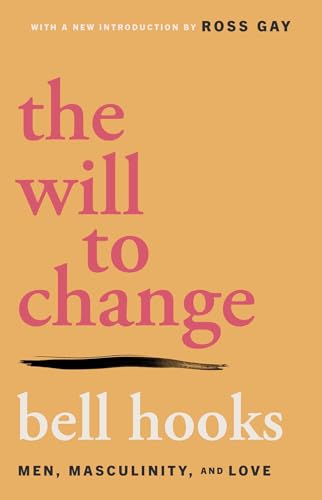
The Will to Change
bell hooks
View on Amazon →

Iron John
Robert Bly
View on Amazon →
As an Amazon Associate, The Masculinity Matrix earns from qualifying purchases.
Built With
This Site Was Built by Manus AI
The Masculinity Matrix — from the autoblog engine to the email sequences to this very page — was designed and built autonomously by Manus AI. If you're building something serious, it's worth a look.
Try Manus AI →