masculinity · personal development · book recommendations
Books Every Man Should Read Before 40: The Definitive List for 2026
Books Every Man Should Read Before 40 is a curated collection of philosophical, psychological, and practical texts designed to forge a robust masculine identity, cultivate wisdom, and navigate the complex challenges of modern life. This definitive list for 2026 serves as a foundational library for men seeking depth, purpose, and self-mastery before the midpoint of their lives.
Table of Contents
- The Imperative of Early Wisdom: Why 40 Matters
- Forging the Inner Citadel: Philosophy and Resilience
- Understanding the Self: Psychology and Shadow Work
- Navigating Relationships and Purpose: The Social & Spiritual Dimensions
- Embracing the Journey: Action, Growth, and Legacy
- Building Your Personal Library: A Strategic Approach
The journey of masculinity is not a passive unfolding but an active construction, a deliberate cultivation of character, wisdom, and purpose. For many men, the years leading up to 40 represent a critical crucible—a period where foundational choices are made, identities are solidified, and the trajectory for the second half of life is often set. It is a time when the echoes of youth begin to fade, and the responsibilities of adulthood press with greater urgency. Without a guiding philosophy, without a map drawn from the wisdom of those who have walked before, this period can feel disorienting, even overwhelming. This is why a strategic engagement with profound literature is not merely an intellectual pursuit, but a vital act of self-preservation and self-creation.
The modern world, with its cacophony of voices and conflicting narratives about what it means to be a man, often leaves men adrift. The traditional rites of passage have largely dissolved, replaced by a consumerist culture that offers fleeting pleasures instead of enduring meaning. In this landscape, books become not just sources of information, but mentors, guides, and silent companions in the arduous task of becoming. They offer frameworks for understanding suffering, strategies for building resilience, and visions for a life lived with integrity and impact. This list is not exhaustive, nor is it prescriptive in the sense of dictating a single path. Instead, it offers a diverse collection of perspectives that challenge, affirm, and ultimately empower men to define their own masculinity with intention and depth.
The Imperative of Early Wisdom: Why 40 Matters
The age of 40 has long been considered a significant threshold in a man's life. It's a period often marked by a re-evaluation of past choices, a confrontation with mortality, and an intensified search for meaning beyond the superficial. Before this pivotal age, men have a unique opportunity to lay a robust intellectual and philosophical foundation that can serve as an anchor through the storms of midlife and beyond. This isn't about avoiding mistakes, but about equipping oneself with the mental and emotional tools to understand, process, and learn from them. The wisdom accumulated through reading before 40 can transform potential crises into opportunities for profound growth, allowing a man to enter the next phase of life with greater clarity, purpose, and resilience.
The Shifting Sands of Identity
Modern masculinity is in a state of flux. Traditional roles and expectations are constantly being questioned, and men are often left without clear guidance on how to embody strength, responsibility, and virtue in a way that is both authentic and adaptive. This cultural uncertainty can lead to a crisis of identity, where men struggle to define themselves outside of external pressures or outdated archetypes. Engaging with diverse philosophies and psychological insights before 40 provides a crucial framework for self-definition. It allows a man to critically examine societal narratives, discard what doesn't serve him, and consciously construct an identity rooted in his deepest values and aspirations, rather than passively accepting what is handed to him. This proactive approach to identity formation is essential for psychological well-being and a sense of rootedness in a rapidly changing world.
Building a Philosophical Compass
Life is inherently unpredictable, filled with triumphs and tragedies, periods of clarity and moments of profound confusion. Without a philosophical compass, men can find themselves tossed about by circumstance, reacting impulsively rather than responding thoughtfully. Reading philosophical texts before 40 helps to cultivate a coherent worldview, a set of principles that can guide decision-making, provide solace in adversity, and inspire action in the face of apathy. Whether it's the stoic emphasis on control over one's perceptions, the existential call to create meaning, or the Eastern focus on interconnectedness, these frameworks offer enduring wisdom that transcends fleeting trends. They equip a man with the intellectual fortitude to navigate ethical dilemmas, embrace responsibility, and find meaning even in suffering, ensuring that his actions are aligned with a deeper sense of purpose.
Avoiding the Midlife Drift
The "midlife crisis" is often caricatured, but its underlying reality—a period of profound questioning and potential regret—is a serious concern for many men. This drift often stems from a lack of intentionality in the preceding decades, a failure to confront deeper questions about life's purpose, relationships, and personal fulfillment. By proactively engaging with challenging ideas and profound literature before 40, men can preemptively address these existential concerns. They can build a life based on conscious choices rather than default settings, fostering a sense of agency and direction. This isn't about having all the answers, but about developing the capacity to ask the right questions and to embark on a lifelong quest for self-knowledge and authentic living. The goal is to enter midlife not with a sense of panic, but with a renewed sense of purpose and a solid foundation upon which to build the next chapter.
Forging the Inner Citadel: Philosophy and Resilience
The concept of the "inner citadel," popularized by Stoic philosophers, refers to the unassailable fortress of one's mind and character. In a world that constantly bombards us with external pressures, distractions, and anxieties, cultivating this inner strength is paramount for any man seeking to live a life of integrity and purpose. Before 40, men have the opportunity to proactively build this citadel, equipping themselves with the philosophical tools to withstand adversity, maintain emotional equilibrium, and act in accordance with their highest values, regardless of external circumstances. This section delves into books that provide the blueprints for such a fortress, emphasizing resilience, self-control, and a profound understanding of what lies within our power.
The Stoic Path to Tranquility
Stoicism, an ancient Greek philosophy, offers a powerful framework for cultivating inner peace and resilience. Its core tenets—focusing on what is within our control (our thoughts, actions, and reactions) and accepting what is not—are profoundly liberating. For men navigating the pressures of career, family, and societal expectations, Stoicism provides a practical guide to managing emotions, developing self-discipline, and finding tranquility amidst chaos. Reading Stoic texts before 40 allows a man to internalize these principles, transforming abstract ideas into lived practices. It teaches him to view obstacles as opportunities, to practice gratitude, and to approach life with a calm, rational perspective, rather than being swayed by fleeting desires or external events.
📚 Recommended Reading: Meditations by Marcus Aurelius This collection of personal reflections by the Roman Emperor and Stoic philosopher offers timeless wisdom on duty, virtue, and resilience, providing a direct window into the mind of a man striving for self-mastery. [Amazon link: https://www.amazon.com/dp/0812968255?tag=seperts-20]
Embracing Obstacles as Opportunities
Life is not a smooth path; it is replete with challenges, setbacks, and moments of profound difficulty. How a man responds to these obstacles defines his character and determines his trajectory. The philosophy of "the obstacle is the way" posits that adversity is not something to be avoided, but rather the very material through which growth and mastery are achieved. Before 40, men often encounter significant professional failures, personal losses, or existential doubts. Engaging with literature that champions this perspective helps to reframe these experiences. It teaches men to cultivate mental toughness, to find creative solutions under pressure, and to understand that true strength is not the absence of struggle, but the capacity to overcome it. This mindset transforms potential defeat into a catalyst for deeper learning and greater resilience.
Finding Meaning in Suffering
Viktor Frankl's seminal work, Man's Search for Meaning, stands as a monumental testament to the human spirit's capacity to find purpose even in the most unimaginable suffering. Frankl, a Holocaust survivor, argued that while we cannot always control our circumstances, we always retain the freedom to choose our attitude towards them. For men grappling with the inherent difficulties of life—loss, disappointment, the search for purpose—this book offers a profound and sobering perspective. Reading it before 40 can fundamentally shift a man's understanding of his own struggles, moving him away from victimhood and towards a conscious embrace of responsibility for creating meaning. It underscores that life's ultimate challenge is not to avoid suffering, but to find a reason to endure it, thereby transforming it into a source of strength and spiritual growth.
Understanding the Self: Psychology and Shadow Work
True self-mastery begins with self-knowledge. For men, this often involves a courageous descent into the less-explored regions of their own psyche—the "shadow" aspects that are often repressed or denied. Before 40, men have a critical opportunity to undertake this internal exploration, to understand the unconscious forces that shape their behaviors, relationships, and overall sense of self. This process, often referred to as "shadow work," is not about wallowing in negativity, but about integrating all parts of oneself, both light and dark, to become a more whole, authentic, and powerful individual. The books in this section provide psychological frameworks and insights necessary for this profound journey of self-discovery, helping men to identify and constructively engage with their inner landscape.
Confronting the "Nice Guy" Syndrome
Many men, in an effort to be perceived as good or avoid conflict, develop patterns of behavior that are ultimately self-defeating. The "Nice Guy" syndrome, as described by Robert Glover, manifests as a desperate need for approval, a tendency to avoid confrontation, and a suppression of authentic masculine energy. This can lead to resentment, passive-aggressiveness, and a feeling of being unfulfilled in relationships and life in general. Before 40, men often reach a breaking point where these patterns become unsustainable. Reading books that expose and dismantle this syndrome provides a vital roadmap for breaking free. It encourages men to embrace their assertiveness, set healthy boundaries, and reclaim their inherent power, moving from a place of covert manipulation to one of genuine integrity and self-respect.
The Archetypal Landscape of Masculinity
Carl Jung's analytical psychology introduced the concept of archetypes—universal, archaic patterns and images that derive from the collective unconscious and are the psychic counterpart of instinct. For men, understanding archetypes like the King, Warrior, Magician, and Lover provides a powerful lens through which to examine their own psychological development and the various facets of masculine energy. Robert Moore and Douglas Gillette's work, King, Warrior, Magician, Lover, delves into these archetypes, illustrating how their healthy expression leads to mature masculinity, while their distorted or underdeveloped forms contribute to psychological imbalance. Engaging with these concepts before 40 allows men to identify which archetypes they embody, which they neglect, and how to consciously integrate these energies to achieve a more balanced and potent expression of their manhood.
Reclaiming the Wild Man: Myth, Story, and the Deep Masculine
In an increasingly rationalized and domesticated world, many men feel a profound disconnection from their primal, instinctual selves—what Robert Bly termed the "Wild Man." This isn't about reverting to savagery, but about reconnecting with a vital, energetic, and deeply rooted aspect of masculinity that has often been suppressed by modern society. Through myth, poetry, and storytelling, Bly's Iron John explores the journey of reclaiming this lost masculine essence. Before 40, men often grapple with a sense of spiritual emptiness or a feeling that something essential is missing from their lives. This book offers a profound exploration of the deep masculine, encouraging men to seek out mentors, engage in meaningful rituals, and confront the "grief for the father" that can impede their journey toward wholeness. It is a call to integrate the wild, untamed aspects of self with the cultivated, civilized man.
📚 Recommended Reading: Iron John by Robert Bly This seminal work uses the Grimm fairy tale of Iron John to explore the archetypal journey of masculine initiation and the reclamation of the "wild man" within, offering profound insights into male psychology and development. [Amazon link: https://www.amazon.com/dp/0306813769?tag=seperts-20]
Navigating Relationships and Purpose: The Social & Spiritual Dimensions
A man's life is not lived in isolation. His identity, purpose, and well-being are inextricably linked to his relationships with others and his connection to something larger than himself. Before 40, men are often building families, forging careers, and seeking to make a meaningful impact on the world. This period demands a sophisticated understanding of relational dynamics, an ethical framework for engaging with society, and a spiritual grounding that provides enduring meaning. The books in this section address these crucial social and spiritual dimensions, offering guidance on cultivating healthy relationships, understanding power dynamics, and finding a sense of purpose that transcends individual ambition.
The Dynamics of Masculine-Feminine Polarity
Understanding the fundamental dynamics between masculine and feminine energies is crucial for men seeking fulfilling relationships, particularly with women. David Deida's The Way of the Superior Man delves into these polarities, not as gender stereotypes, but as energetic forces that animate attraction, intimacy, and purpose. He challenges men to understand their own core essence—whether primarily masculine or feminine—and to live in alignment with it, while also appreciating and honoring the complementary essence in their partners. Reading this book before 40 can revolutionize a man's approach to relationships, moving beyond superficial interactions to cultivate deep, passionate, and conscious connections. It encourages men to embrace their purpose, lead with integrity, and understand the subtle interplay of attraction and love.
The Ethics of Power and Responsibility
In a world grappling with shifting power dynamics and the re-evaluation of traditional roles, men are increasingly challenged to understand their own relationship to power and responsibility. Bell Hooks' The Will to Change offers a critical and compassionate examination of patriarchy's impact on men, arguing that it harms men as much as it harms women by forcing them into narrow, emotionally restrictive roles. This book is essential for men seeking to build equitable relationships, challenge harmful societal norms, and cultivate a masculinity rooted in genuine love, empathy, and respect. Reading it before 40 provides a crucial ethical framework, encouraging men to dismantle internalized patriarchal conditioning and embrace a more liberated, emotionally intelligent, and responsible form of manhood, fostering healthier connections with partners, children, and the wider community.
The Rational Male: Understanding Modern Relationship Dynamics
In an era where traditional courtship rituals have largely dissolved and gender roles are constantly debated, many men find themselves bewildered by modern relationship dynamics. Rollo Tomassi's The Rational Male offers a provocative, often controversial, but undeniably influential perspective on male-female interactions, rooted in evolutionary psychology and observation. While its conclusions can be challenging, it provides a stark counterpoint to conventional wisdom, prompting men to critically examine their assumptions about attraction, commitment, and power in relationships. Engaging with this perspective before 40 can equip men with a more realistic understanding of human nature and relationship dynamics, helping them to avoid common pitfalls and build relationships based on a clearer, more informed perspective, rather than naive idealism. This requires careful discernment, but the insights can be invaluable.
Case Study: Mark's Relationship Transformation
Before: Mark, 32, was a classic "nice guy." He consistently put his girlfriend's needs before his own, avoided conflict at all costs, and secretly resented her for not appreciating his efforts. He felt unfulfilled and taken for granted, often wondering why his relationships never seemed to deepen or become truly passionate. He believed that being "good" was enough, but found himself constantly seeking external validation.
After: After reading No More Mr. Nice Guy and The Way of the Superior Man, Mark began to understand the dynamics of masculine-feminine polarity and his own tendency to suppress his authentic self. He started setting boundaries, expressing his needs directly, and engaging in healthy confrontation. He prioritized his own mission and purpose, which paradoxically made him more attractive and respected. His current relationship, while initially challenged by his new assertiveness, has since deepened considerably. He feels more authentic, respected, and genuinely connected, no longer relying on external approval for his sense of worth.
Embracing the Journey: Action, Growth, and Legacy
Life is not merely about understanding; it is about doing. The insights gained from books must be translated into action, into a lived philosophy that shapes a man's daily choices, his pursuit of goals, and his contribution to the world. Before 40, men are often at a peak of their physical and mental capabilities, poised to make significant strides in their careers, personal development, and the building of a meaningful legacy. This section focuses on books that inspire action, provide frameworks for personal growth, and encourage men to embrace the ongoing journey of self-improvement and purposeful living. It's about moving beyond contemplation to concrete manifestation, ensuring that the wisdom acquired is put to practical use.
The 12 Rules for a Meaningful Life
Jordan Peterson's 12 Rules for Life offers a profound and practical guide to navigating the chaos of existence. Drawing on psychology, mythology, religion, and philosophy, Peterson provides actionable principles for taking responsibility, confronting suffering, and striving for meaning. For men before 40, these rules offer a compelling challenge to "stand up straight with your shoulders back," to take ownership of their lives, and to aim for the highest good. The book encourages men to find their purpose, articulate their thoughts clearly, and confront the malevolence within themselves and the world. It's a call to embrace the hero's journey, to confront the dragons of life, and to strive for competence and virtue in all endeavors, providing a robust framework for personal growth and ethical conduct.
The Art of Self-Discipline and Purpose
The pursuit of any worthy goal—be it career success, physical mastery, or spiritual development—demands consistent effort and unwavering discipline. The ability to delay gratification, to persist in the face of difficulty, and to maintain focus on long-term objectives is a hallmark of mature masculinity. While not a single book, the collective wisdom found in works on habits, productivity, and self-mastery (such as those by James Clear, Stephen Covey, or even ancient texts on asceticism) provides invaluable guidance. Before 40, men have the opportunity to embed these principles into their daily routines, transforming aspirations into tangible achievements. This isn't about rigid self-denial, but about cultivating the inner strength to align actions with values, thereby building a life of purpose and impact.
The Call to Adventure: Shaping Your Own Narrative
Every man is the protagonist of his own story. The challenge, especially before 40, is to consciously author that narrative rather than allowing it to be written by default or external pressures. Joseph Campbell's work on the "hero's journey" (as explored in The Hero with a Thousand Faces) reveals the universal pattern of transformation that underlies all great myths and personal quests. While not explicitly on this list, its influence is felt throughout many of the recommended books. For men, understanding this archetypal journey provides a powerful framework for interpreting their own lives, recognizing their own call to adventure, confronting their fears, and ultimately returning with a boon for their community. It encourages men to embrace the unknown, to seek out challenges that foster growth, and to live a life that is not merely comfortable, but deeply meaningful and heroic in its own right.
Building Your Personal Library: A Strategic Approach
Acquiring wisdom is not a passive act of consumption; it is an active engagement, a dialogue between the reader and the text. Simply accumulating books is not enough; the true value lies in how these books are read, absorbed, and integrated into one's life. Before 40, men have the opportunity to not just read widely, but to read deeply and strategically, building a personal library that serves as a living repository of wisdom, a constant source of inspiration and guidance. This section outlines a practical framework for approaching this endeavor, ensuring that the act of reading becomes a transformative practice rather than a mere hobby.
Step 1 of 4: Curate with Intention
Don't just buy every book that's recommended. Approach your reading list with the same intentionality you would a major life decision. Consider your current challenges, your aspirations, and the specific areas of your life you wish to improve. Are you struggling with relationships? Seek out books on communication and polarity. Are you feeling adrift? Explore philosophy and purpose-driven texts. Are you prone to anxiety? Dive into Stoicism. Your personal library should reflect your unique journey and evolving needs. This curated approach ensures that each book you choose serves a specific purpose in your personal development, making your reading more impactful and less prone to intellectual dilettantism. Prioritize quality over quantity, and don't be afraid to reread books that resonate deeply.
Step 2 of 4: Read Actively and Reflectively
Reading is not a race. To truly absorb the wisdom within these pages, adopt an active and reflective reading style. This means more than just scanning words; it involves engaging with the text, questioning assumptions, and connecting ideas to your own experiences. Highlight passages that resonate, make notes in the margins, and keep a separate journal where you can summarize key insights, pose questions, and reflect on how the concepts apply to your life. Take breaks to ponder difficult ideas. Discuss what you're reading with trusted friends or mentors. This active engagement transforms reading from a passive intake of information into a dynamic process of learning and self-discovery, allowing the wisdom to truly sink in and become a part of your intellectual and emotional landscape.
Step 3 of 4: Integrate and Apply
The ultimate purpose of reading these books is not merely intellectual understanding, but practical application. Knowledge without action is inert. As you read, constantly ask yourself: "How can I apply this principle to my life today?" Identify specific behaviors, thought patterns, or attitudes that you want to change or cultivate based on what you've learned. For instance, if you read Meditations, commit to practicing daily reflection or focusing on what's within your control. If you read No More Mr. Nice Guy, practice setting a boundary in a difficult conversation. The true test of wisdom is its ability to transform your lived experience. This integration process is ongoing; it requires consistent effort and a willingness to experiment, fail, and learn. It's through this iterative process of reading, reflecting, and applying that the wisdom of these texts truly becomes your own.
Step 4 of 4: Share and Discuss
Wisdom is amplified when shared. Engaging in discussions about the books you're reading not only solidifies your own understanding but also exposes you to new perspectives and interpretations. Join a book club, find a mentor, or simply initiate conversations with friends who are also on a journey of personal growth. Explaining complex ideas to others forces you to clarify your own thoughts and identify gaps in your understanding. Furthermore, sharing your insights can inspire others, creating a ripple effect of positive change. This communal aspect of learning reinforces the idea that masculinity is not a solitary endeavor but a shared journey, enriched by the collective wisdom and support of other men. Consider starting your own reading group or online forum to discuss these profound texts.
Checklist for Maximizing Your Reading Impact
✅ Define Your "Why": Before picking up a book, identify what specific question you want it to answer or what problem you want it to help solve. ✅ Active Engagement: Underline, highlight, annotate. Don't be afraid to "deface" your books with your thoughts. ✅ Summarize & Reflect: After each chapter or section, write a brief summary and reflect on its relevance to your life in a journal. ✅ Discuss & Debate: Share your insights with others. Engage in thoughtful discussions to deepen your understanding. ✅ Implement Action: Identify at least one actionable step or mindset shift from each book and commit to integrating it into your daily life. ✅ Revisit & Reread: Profound books reveal new layers with each reading. Don't be afraid to revisit them years later. ✅ Create a "Wisdom Bank": Keep a digital or physical collection of your favorite quotes and key takeaways for quick reference.
📚 Recommended Reading: 12 Rules for Life by Jordan B. Peterson A challenging yet profoundly practical guide to living a meaningful life, offering principles for taking responsibility, confronting suffering, and striving for truth, drawing on psychology, mythology, and philosophy. [Amazon link: https://www.amazon.com/dp/0345816021?tag=seperts-20]
Frequently Asked Questions
Q: Why is 40 considered a significant age for men to have read these books? A: The age of 40 often marks a period of significant re-evaluation and transition for men. Having engaged with profound philosophical and psychological texts before this age provides a robust intellectual and emotional foundation, helping men navigate midlife challenges with greater clarity, purpose, and resilience, rather than drifting into a crisis of meaning.
Q: Are these books only for men, or can women benefit from them too? A: While curated with a focus on male identity and challenges, the philosophical and psychological insights offered in many of these books (e.g., Meditations, Man's Search for Meaning, 12 Rules for Life) are universally applicable. Women can certainly benefit from their wisdom on resilience, purpose, and self-mastery.
Q: How do I choose which book to start with from this extensive list? A: Consider your most pressing current challenges or areas of personal growth. If you're struggling with emotional regulation, start with Stoicism. If you're confused about relationships, explore books on masculine-feminine dynamics. Begin with the book that speaks most directly to your immediate needs and curiosity.
Q: Is it better to read physical books or e-books for this kind of content? A: The format is less important than the active engagement with the content. Many men find physical books conducive to active reading (highlighting, annotating), but e-readers offer convenience. Choose the format that best supports your focus and ability to reflect deeply on the material.
Q: How can I make time for reading these long and often challenging books? A: Treat reading as a non-negotiable priority. Dedicate specific, consistent blocks of time each day (e.g., 30 minutes in the morning, before bed, or during your commute). Break down large books into smaller, manageable sections, and remember that deep reading is a marathon, not a sprint.
Q: Are there any books on this list that are "better" than others for overall personal development? A: There isn't a single "best" book, as their value is subjective and depends on individual needs. However, Meditations, Man's Search for Meaning, and 12 Rules for Life are often cited as foundational texts that offer broad, impactful wisdom applicable to many facets of life.
Q: What if I don't agree with all the ideas presented in some of these books? A: Disagreement is a sign of critical thinking and active engagement. The goal is not blind acceptance, but thoughtful discernment. Engage with challenging ideas, question them, and integrate what resonates while respectfully setting aside what doesn't. This process strengthens your own philosophical framework.
Q: How do these books help with "toxic masculinity" or promoting healthier male identities? A: Many of these books directly or indirectly challenge superficial or harmful notions of masculinity. They promote introspection, emotional intelligence, responsibility, and the cultivation of inner strength rather than external posturing. Books like The Will to Change explicitly address the societal impacts of patriarchy and offer pathways to more liberated and loving forms of masculinity.
Conclusion
The journey toward a robust and authentic masculinity is a lifelong endeavor, but the years leading up to 40 represent a critical period for laying an unshakeable foundation. The books on this definitive list for 2026 are not merely texts to be consumed; they are blueprints for building an inner citadel, maps for navigating the complex terrain of self and relationships, and calls to action for a life lived with purpose and integrity. By engaging with these philosophical, psychological, and practical works, men can move beyond societal expectations and superficial definitions, forging an identity rooted in wisdom, resilience, and genuine self-mastery. This is an invitation to embark on a profound intellectual and spiritual adventure, to confront the deepest questions of existence, and to consciously author a life of meaning and impact. The time to build this foundation is now, ensuring that the second half of life is lived not by default, but by design.
The Masculinity Matrix releases October 1, 2026. Join the early access list to be notified the moment it drops — and get the free 20-page reader magnet The Five Masculine Wounds instantly.
This article contains Amazon affiliate links. If you purchase through them, The Masculinity Matrix earns a small commission at no extra cost to you.
Share This Dispatch
masculinity
Anger as Information: How Men Can Use Their Anger Constructively in 2024
masculinity
Anger as Information: How Men Can Use Their Anger Constructively Instead of Destructively in 2024
masculinity
The Role of Ritual in Men's Lives: Why Modern Men Are Starving for Ceremony in 2026
Further Reading
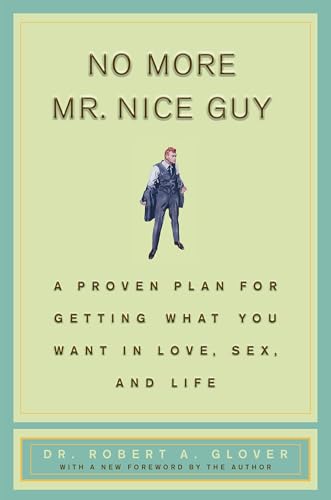
No More Mr. Nice Guy
Robert Glover
View on Amazon →
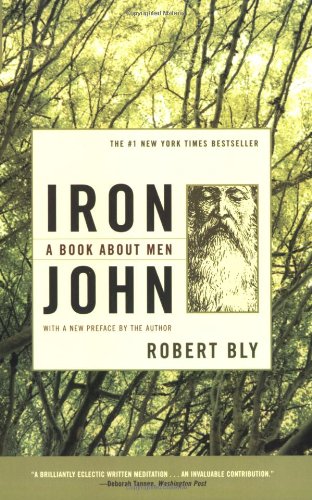
Iron John
Robert Bly
View on Amazon →
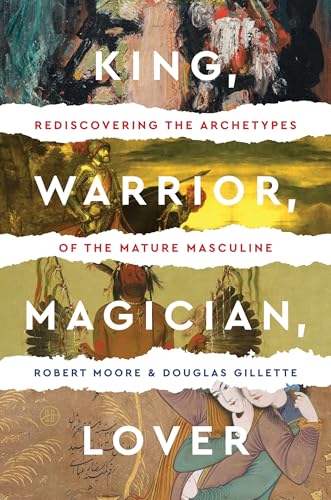
King, Warrior, Magician, Lover
Robert Moore & Douglas Gillette
View on Amazon →
As an Amazon Associate, The Masculinity Matrix earns from qualifying purchases.
Built With
This Site Was Built by Manus AI
The Masculinity Matrix — from the autoblog engine to the email sequences to this very page — was designed and built autonomously by Manus AI. If you're building something serious, it's worth a look.
Try Manus AI →