masculinity · personal development · stoicism
Emotional Stoicism vs. Emotional Intelligence: What Men Actually Need in 2026
C. V. WoosterApril 2, 202621 min read
*This article contains Amazon affiliate links. If you purchase through them, The Masculinity Matrix earns a small commission at no extra cost to you.*
# Emotional Stoicism vs. Emotional Intelligence: What Men Actually Need in 2026
**Emotional Stoicism is** the disciplined practice of managing one's internal reactions to external events, focusing on virtue, reason, and an acceptance of what is beyond one's control, often leading to a perception of emotional detachment. **Emotional Intelligence, conversely, is** the capacity to understand, use, and manage one's own emotions in positive ways to relieve stress, communicate effectively, empathize with others, overcome challenges, and defuse conflict. For men navigating the complexities of 2026, the critical need is not to choose one over the other, but to integrate the strengths of both, forging a resilient and empathetic masculinity that can withstand modern pressures while fostering genuine connection.
## Table of Contents
1. [The Enduring Appeal of Stoicism for Men](#the-enduring-appeal-of-stoicism-for-men)
2. [Deconstructing Emotional Intelligence: Beyond the Buzzword](#deconstructing-emotional-intelligence-beyond-the-buzzword)
3. [The Pitfalls of Unchecked Emotional Stoicism](#the-pitfalls-of-unchecked-emotional-stoicism)
4. [The Dangers of Unmoored Emotional Intelligence](#the-dangers-of-unmoored-emotional-intelligence)
5. [Synthesizing the Strengths: The Integrated Man](#synthesizing-the-strengths-the-integrated-man)
6. [Building a Balanced Emotional Framework: A Three-Step Process](#building-a-balanced-emotional-framework-a-three-step-process)
7. [Navigating the Modern Labyrinth: Why This Integration Matters in 2026](#navigating-the-modern-labyrinth-why-this-integration-matters-in-2026)
## The Enduring Appeal of Stoicism for Men
For centuries, the philosophy of Stoicism has offered a compelling framework for men seeking strength, resilience, and inner peace. Its core tenets — virtue, reason, and an unwavering focus on what is within one’s control — resonate deeply with the masculine drive for mastery and purpose. In a world characterized by constant flux and often overwhelming external pressures, the Stoic ideal of the unshakeable man, impervious to the slings and arrows of outrageous fortune, holds a profound attraction. This is not merely about suppressing emotion, but about understanding its transient nature and refusing to be enslaved by its whims.
### The Historical Roots of Masculine Resilience
From Seneca's letters on grief to Marcus Aurelius's meditations on duty, Stoicism has historically provided a philosophical bedrock for men in leadership, warfare, and daily life. It taught that true strength lay not in physical might alone, but in the cultivation of an inner citadel, a mind fortified against external adversity. This intellectual and emotional discipline was seen as essential for maintaining honor, fulfilling responsibilities, and living a life of integrity. The Roman ideal of *virtus* (manliness, excellence, courage) was deeply intertwined with Stoic principles, emphasizing self-control and rational action above impulsive reaction. This historical context reveals that the desire for emotional fortitude is not a modern invention but a timeless masculine quest.
### The Allure of Control in an Uncontrollable World
One of the most powerful draws of Stoicism for men in 2026 is its promise of control. In an era where global events, economic shifts, and societal expectations often feel beyond individual influence, the Stoic emphasis on distinguishing between what we *can* control (our judgments, desires, actions) and what we *cannot* (external events, other people's opinions) offers a potent antidote to anxiety and helplessness. This philosophical stance encourages men to direct their energy toward productive self-improvement and ethical conduct, rather than expending it on futile worry or reactive anger. It’s a call to internal sovereignty, a powerful message for men seeking to anchor themselves amidst chaos.
### Stoicism as a Shield Against Modern Pressures
The modern male often faces a unique confluence of pressures: the expectation to be a provider, protector, and emotionally available partner, all while navigating an increasingly competitive and often critical social landscape. Stoicism can serve as a mental shield, helping men to process setbacks, endure criticism, and maintain composure under duress. It teaches men to view challenges as opportunities for growth, to practice gratitude for what they have, and to confront discomfort with courage. This proactive approach to adversity, rather than a passive acceptance, is what makes Stoicism a practical philosophy for building robust mental health and an unwavering sense of self.
## Deconstructing Emotional Intelligence: Beyond the Buzzword
Emotional Intelligence (EQ) has moved from a niche psychological concept to a mainstream buzzword, often lauded as the key to success in relationships, career, and personal well-being. But what exactly does it entail, and why is it particularly relevant for men in 2026? EQ, as popularized by Daniel Goleman, encompasses a set of skills that allow individuals to perceive, understand, manage, and use emotions effectively. It moves beyond mere cognitive intelligence, recognizing that how we navigate our internal emotional landscape and interact with the emotional states of others is paramount to thriving.
### The Five Pillars of Emotional Intelligence
At its core, Emotional Intelligence is typically broken down into five key components:
1. **Self-Awareness:** The ability to recognize and understand one's own moods, emotions, and drives, as well as their effect on others. This includes knowing one's strengths and weaknesses.
2. **Self-Regulation:** The ability to control or redirect disruptive impulses and moods, and the propensity to suspend judgment—to think before acting. This is where a significant overlap with Stoicism can be found.
3. **Motivation:** A passion to work for reasons that go beyond money or status, and a propensity to pursue goals with energy and persistence.
4. **Empathy:** The ability to understand the emotional makeup of other people and skill in treating people according to their emotional reactions. This is often cited as a crucial area for men's development.
5. **Social Skills:** Proficiency in managing relationships and building networks, and an ability to find common ground and build rapport.
These pillars collectively form a framework for navigating the complex social and emotional demands of modern life.
### Why EQ Matters for Men in Relationships and Career
For many men, traditional upbringing often emphasized suppressing emotions, leading to difficulties in expressing vulnerability or understanding the emotional nuances of others. This can manifest as challenges in intimate relationships, where partners desire deeper emotional connection, or in professional settings, where effective collaboration and leadership increasingly demand empathetic communication. High EQ allows men to build stronger bonds, resolve conflicts constructively, and inspire trust. In the workplace, leaders with high EQ are more effective at motivating teams, managing change, and fostering a positive work environment, leading to better outcomes and career progression.
---
**📚 Recommended Reading:** *No More Mr. Nice Guy*
This book challenges men to shed the self-defeating patterns of "nice guy" syndrome, helping them reclaim their authentic masculine power and set healthy boundaries, often by embracing a more assertive and emotionally honest self.
[Amazon link: https://www.amazon.com/dp/0762415339?tag=seperts-20]
---
### The Evolution of Masculinity and the Call for EQ
The societal conversation around masculinity has evolved significantly. The rigid, often isolating, archetypes of the past are being challenged, making way for a more integrated and holistic understanding of what it means to be a man. This evolution necessitates a greater emphasis on emotional literacy. Men are increasingly expected to be not just strong and capable, but also compassionate, understanding, and communicative. Emotional Intelligence provides the toolkit for men to meet these evolving expectations, allowing them to embody a masculinity that is both powerful and deeply human, capable of both protecting and connecting.
## The Pitfalls of Unchecked Emotional Stoicism
While the virtues of Stoicism are undeniable, an uncritical or extreme application of its principles can lead to significant psychological and relational pitfalls for men. When "emotional Stoicism" is misinterpreted as emotional suppression or indifference, it can inadvertently create the very isolation and dysfunction it seeks to prevent. The line between disciplined emotional management and outright emotional repression is often blurry, and many men, consciously or unconsciously, cross it.
### The Mask of Indifference: Emotional Repression
The most common misinterpretation of Stoicism is that it advocates for the complete eradication of emotion. This leads men to adopt a "mask of indifference," where they outwardly display no reaction, even in situations that would naturally evoke strong feelings. While this might appear strong on the surface, it often masks deep internal turmoil. Repressed emotions don't disappear; they manifest in other ways: chronic stress, anxiety, depression, anger outbursts, or even physical ailments. This isn't true Stoicism, which acknowledges emotions but refuses to be dominated by them; rather, it’s a form of emotional self-harm that prevents genuine self-understanding and healing.
### Relational Detachment and Isolation
A man who consistently presents as emotionally unreactive can create significant distance in his relationships. Partners, friends, and family members may perceive him as cold, uncaring, or unavailable, leading to feelings of loneliness and misunderstanding. Intimacy, both romantic and platonic, thrives on shared vulnerability and emotional reciprocity. If one partner consistently walls off their emotional world, the relationship can become superficial and unsatisfying. This detachment, far from being a sign of strength, can lead to profound isolation, undermining the very human need for connection and belonging.
### Stifling Growth and Self-Discovery
Emotions, even uncomfortable ones, serve as vital feedback mechanisms. Anger can signal a boundary violation, sadness can indicate loss, and fear can point to a perceived threat. By systematically ignoring or suppressing these signals, a man can stunt his personal growth. He might fail to address underlying issues, learn from mistakes, or understand his deeper motivations and desires. True self-mastery, as envisioned by the Stoics, requires a clear-eyed understanding of one's internal landscape, not a willful blindness to it. Without engaging with emotions, men miss crucial opportunities for self-discovery and adaptation.
## The Dangers of Unmoored Emotional Intelligence
Just as unchecked Stoicism can lead to emotional repression, an unmoored or poorly understood application of Emotional Intelligence can also present its own set of challenges for men. When EQ becomes merely a tool for manipulation, a justification for emotional indulgence, or a performative act, it loses its genuine value and can lead to superficiality or even harm.
### Emotional Indulgence and Lack of Boundaries
One danger is the misinterpretation of EQ as an invitation to indulge every emotion without restraint or consequence. This can manifest as a lack of self-regulation, where a man feels justified in expressing anger, sadness, or frustration impulsively, under the guise of "being in touch with his feelings." This can lead to emotional volatility, poor decision-making, and a disregard for the emotional impact on others. True EQ involves understanding emotions, but also managing them responsibly, not simply unleashing them. Without the tempering influence of self-discipline, EQ can devolve into self-pity or emotional incontinence, eroding personal integrity and respect.
### Performative Empathy and Manipulation
Another significant pitfall is the development of "performative empathy" or the use of EQ for manipulative purposes. A man might learn to mimic empathetic responses, use emotionally intelligent language, or strategically deploy vulnerability not for genuine connection, but to gain an advantage, avoid accountability, or control a situation. This is not true Emotional Intelligence, but a cynical application of its principles. Such behavior, while potentially effective in the short term, ultimately erodes trust, fosters resentment, and leads to inauthentic relationships. It transforms a tool for connection into a weapon for self-interest, betraying the very spirit of empathy.
---
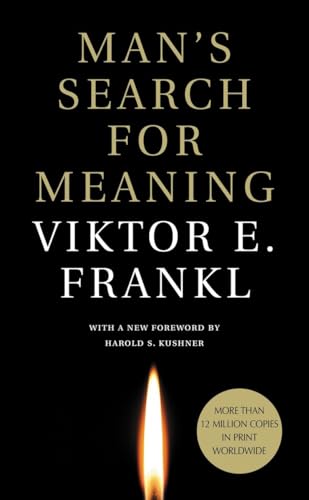
**📚 Recommended Reading:** *Man's Search for Meaning*
Viktor Frankl's profound work explores the human quest for meaning even amidst unimaginable suffering, offering a powerful testament to the resilience of the human spirit and the importance of choosing one's attitude in any given circumstance.
[Amazon link: https://www.amazon.com/dp/080701429X?tag=seperts-20]
---
### Over-Intellectualization and Disconnection from Action
Some men, particularly those with a strong analytical bent, might over-intellectualize Emotional Intelligence. They can become adept at categorizing emotions, discussing psychological theories, and analyzing emotional dynamics without truly *feeling* or *acting* on their insights. This can lead to a disconnect between intellectual understanding and lived experience. The man might be able to articulate precisely why he feels a certain way or why someone else does, but remain paralyzed by inaction or unable to translate that understanding into meaningful behavioral change. EQ is not just about knowing; it's about doing, about applying emotional insight to improve one's life and relationships.
## Synthesizing the Strengths: The Integrated Man
The true power for men in 2026 lies not in choosing between Emotional Stoicism and Emotional Intelligence, but in a deliberate and thoughtful synthesis of both. This integration creates a masculinity that is both resilient and empathetic, capable of enduring hardship with dignity while fostering deep, meaningful connections. The integrated man is not a stoic robot nor an emotional floodgate; he is a master of his internal world, capable of both profound self-control and genuine emotional expression.
### The Stoic Foundation for Emotional Intelligence
At its best, Stoicism provides the foundational framework for Emotional Intelligence. The Stoic practice of distinguishing between what is within one's control and what is not directly supports self-regulation. By understanding that external events are indifferent, but our *judgments* of them are not, a man can cultivate a calm mind, free from reactive emotional spirals. This inner tranquility is a prerequisite for genuine self-awareness and the ability to perceive others' emotions without being overwhelmed by them. The Stoic commitment to reason and virtue ensures that emotional responses are not impulsive but considered, aligning with the highest ideals of self-mastery.
### EQ as the Expression of Stoic Virtue
Conversely, Emotional Intelligence provides the necessary tools for the *expression* of Stoic virtues in the modern world. A Stoic man aims for justice, courage, wisdom, and temperance. How does he enact justice without empathy for the wronged? How does he demonstrate courage without understanding the fear in others, or the fear he must overcome within himself? EQ enables a Stoic to communicate his principles effectively, to lead with compassion, and to build a just society through understanding and collaboration. It ensures that his self-control doesn't become cold detachment, but rather a stable platform from which to engage with the world with wisdom and benevolence.
### The Integrated Man: A Comparison
| Feature | Unchecked Emotional Stoicism | Unmoored Emotional Intelligence | Integrated Man (Stoic EQ) |
| :---------------------- | :----------------------------------- | :----------------------------------- | :------------------------------------------------------- |
| **Emotional Response** | Repression/Indifference | Volatility/Indulgence | Measured, Purposeful Expression |
| **Self-Awareness** | Limited by suppression | High, but potentially self-absorbed | Deep, honest, and action-oriented |
| **Self-Regulation** | Extreme suppression | Weak/Non-existent | Strong, rational control over impulses |
| **Empathy** | Low, perceived as cold | High, but can be performative | Genuine, discerning, and actionable |
| **Relationships** | Detached, isolated | Intense, potentially chaotic | Deep, authentic, resilient |
| **Decision-Making** | Purely rational, potentially cold | Emotion-driven, potentially impulsive | Rational, informed by emotional insight |
| **Resilience** | High, but brittle | Variable, dependent on mood | Robust, adaptable, and deeply rooted |
| **Perception by Others** | Uncaring, robotic | Unpredictable, dramatic | Wise, dependable, compassionate, strong |
This table illustrates that the integrated approach offers a more robust and adaptive model for masculinity, avoiding the extremes and leveraging the best of both philosophies.
## Building a Balanced Emotional Framework: A Three-Step Process
Cultivating an integrated emotional framework is not a passive endeavor; it requires intentional practice and self-reflection. For men in 2026, this means actively engaging with both Stoic principles and Emotional Intelligence skills. Here is a three-step process to guide this development, designed to foster resilience without sacrificing connection.
### Step 1 of 3: Cultivating Inner Observation and Self-Awareness
The first step is to develop a keen sense of inner observation, a practice central to both Stoicism and EQ. This involves regularly checking in with your emotional state without judgment.
✅ **Daily Emotional Audit:** Set aside 5-10 minutes each day (e.g., morning, evening, or during a break) to simply observe your emotions. Ask yourself: "What am I feeling right now? Where do I feel it in my body? What triggered this emotion?"
✅ **Journaling for Clarity:** Keep a journal to record your emotional experiences. Don't just list emotions; describe the context, your thoughts, and your physical sensations. This helps you identify patterns and triggers.
✅ **Mindfulness Practice:** Engage in mindfulness meditation. This isn't about emptying your mind, but about observing thoughts and feelings as they arise and pass, without getting entangled in them. This builds the Stoic capacity for detachment from reactive impulses.
✅ **Identify Core Values:** Understand what truly matters to you. Stoicism emphasizes virtue, and self-awareness helps you align your actions with your deepest values, preventing emotional reactions that betray your principles.
This step lays the groundwork for emotional mastery by making the unconscious conscious.
### Step 2 of 3: Practicing Rational Response and Emotional Regulation
Once you are aware of your emotions, the next step is to consciously choose your response, rather than reacting impulsively. This is where Stoic self-regulation meets EQ's call for thoughtful action.
✅ **The "Pause" Principle:** Before reacting to a strong emotion (anger, frustration, fear), institute a deliberate pause. Count to ten, take a deep breath, or physically remove yourself from the immediate situation. This creates space for rational thought.
✅ **Cognitive Reappraisal:** Challenge your initial interpretations of events. Are you catastrophizing? Is there another perspective? Stoicism teaches that it's not events themselves, but our *judgments* of events that cause distress. Reframe situations to reduce negative emotional impact.
✅ **Distinguish Control:** Actively apply the Stoic dichotomy of control. If an emotion arises from something you cannot control, practice acceptance. If it arises from something you *can* control (e.g., your own actions or judgments), focus your energy there.
✅ **Develop a "Discomfort Tolerance":** Instead of immediately trying to escape uncomfortable emotions, practice sitting with them briefly. This builds resilience and reduces the power these emotions hold over you. This is not repression, but observation and endurance.
This step empowers you to be the master of your internal state, rather than its slave.
### Step 3 of 3: Cultivating Empathetic Engagement and Proactive Connection
The final step integrates your self-mastery with outward-facing emotional intelligence, allowing for genuine connection and effective communication.
✅ **Active Listening:** When interacting with others, practice active listening. Focus entirely on what they are saying, both verbally and non-verbally, to understand their emotional state and perspective without immediately formulating your own response.
✅ **Perspective-Taking:** Make a conscious effort to see situations from another person's point of view. Ask yourself: "How might they be feeling? What are their underlying needs or concerns?" This builds empathy.
✅ **Vulnerability (Strategic & Authentic):** Learn to share your own emotions appropriately and authentically. This isn't about oversharing, but about revealing your inner world in a way that fosters trust and deeper connection, showing that your Stoic strength is not a barrier to intimacy.
✅ **Constructive Feedback:** Practice giving and receiving feedback with emotional intelligence. Focus on behavior, not character, and express your needs and observations clearly, without blame or aggression.
By following these steps, men can build a robust emotional framework that allows them to navigate the complexities of 2026 with both unwavering inner strength and profound relational capacity.
## Navigating the Modern Labyrinth: Why This Integration Matters in 2026
The year 2026 presents a unique set of challenges and opportunities for men. Rapid technological advancement, shifting social norms, and increasing global interconnectedness demand a masculinity that is both grounded and adaptable. The integration of Emotional Stoicism and Emotional Intelligence is not merely a philosophical exercise; it is a practical necessity for thriving in this modern labyrinth.
### The Demands of a Hyper-Connected World
In 2026, men are constantly bombarded with information, opinions, and expectations through digital platforms. Social media, 24/7 news cycles, and instant communication can create a sense of overwhelm and comparison. An integrated approach allows men to maintain their inner calm (Stoicism) amidst the digital noise, discerning what truly matters and what is beyond their control. Simultaneously, EQ enables them to navigate online interactions with empathy, avoiding reactive arguments and fostering constructive dialogue, even in polarized environments. This balance is crucial for mental well-being and effective participation in public discourse.
### Evolving Professional Landscapes
The workplace of 2026 values collaboration, innovation, and adaptive leadership more than ever. Technical skills alone are often insufficient. Men who can manage their own stress, understand team dynamics, and communicate effectively will be the ones who lead and succeed. Stoic discipline provides the focus and resilience to tackle complex projects and endure setbacks, while EQ allows for charismatic leadership, empathetic mentorship, and constructive conflict resolution. This combination creates a leader who is both steadfast in purpose and flexible in approach, capable of inspiring loyalty and driving progress.
### Redefining Masculine Strength
The traditional definitions of masculine strength are undergoing a profound re-evaluation. While physical prowess and unwavering resolve remain valued, there is an increasing recognition of the strength found in vulnerability, emotional literacy, and the capacity for deep connection. The integrated man embodies this redefined strength. He is strong enough to control his impulses (Stoicism) and brave enough to express his authentic self (EQ). He protects those he cares for not just physically, but emotionally, by being present, understanding, and supportive. This holistic view of strength is what men need to cultivate to be relevant, respected, and genuinely powerful in the coming years.
---
**📚 Recommended Reading:** *The Obstacle Is the Way*
Ryan Holiday's modern take on Stoicism offers actionable insights into turning adversity into advantage, providing a powerful framework for men to develop resilience, perseverance, and mental fortitude in the face of life's inevitable challenges.
[Amazon link: https://www.amazon.com/dp/1591846358?tag=seperts-20]
---
### Building Resilient Relationships
Perhaps nowhere is the integration of Emotional Stoicism and Emotional Intelligence more vital than in personal relationships. Modern partnerships thrive on mutual respect, open communication, and emotional intimacy. A man who can regulate his own emotions and not be swayed by fleeting passions (Stoicism) provides a stable anchor. A man who can understand and respond to his partner's emotional needs, and articulate his own (EQ), builds a bridge of connection. This combination allows for relationships that are both enduringly stable and deeply fulfilling, capable of weathering life's storms while fostering profound love and understanding. For men seeking to build lasting legacies, both personally and professionally, this integrated approach is the most potent tool.
## Frequently Asked Questions
**Q: Is Emotional Stoicism just about suppressing emotions?**
A: No, true Emotional Stoicism is not about suppression, but about understanding, acknowledging, and then rationally managing one's emotional responses. It's about not being enslaved by emotions, and distinguishing between what you can control (your reactions) and what you cannot (external events).
**Q: Can a man be both Stoic and emotionally intelligent?**
A: Absolutely. In fact, the most effective form of masculinity in 2026 integrates both. Stoicism provides the foundational self-control and resilience, while Emotional Intelligence offers the tools for self-awareness, empathy, and effective communication, making the Stoic's virtues actionable and relatable.
**Q: How does this differ from "toxic masculinity"?**
A: Toxic masculinity often involves emotional repression, aggression, and a lack of empathy, stemming from rigid, harmful gender roles. The integrated approach actively counters this by promoting healthy emotional regulation, genuine empathy, and thoughtful communication, fostering a more robust and humane form of masculine strength.
**Q: What's the first step for a man looking to develop both?**
A: Start with self-awareness. Begin journaling your emotions, practicing mindfulness, and observing your reactions without judgment. This foundational step helps you understand your internal landscape before you can effectively manage or express it.
**Q: Will practicing Emotional Intelligence make me less decisive or "soft"?**
A: On the contrary, genuine Emotional Intelligence, especially when combined with Stoic principles, enhances decisiveness. By understanding your own emotions and those of others, you can make more informed, empathetic, and effective decisions, leading to stronger outcomes and greater respect, not weakness.
**Q: Are there any specific books you recommend for this integration?**
A: For Stoicism, "Meditations" by Marcus Aurelius or "The Obstacle Is the Way" by Ryan Holiday are excellent. For Emotional Intelligence and its application, "Emotional Intelligence" by Daniel Goleman is foundational, and "No More Mr. Nice Guy" by Robert Glover addresses specific masculine emotional challenges.
**Q: How can I apply this in my relationships?**
A: In relationships, focus on active listening to truly understand your partner's emotional state (EQ), and practice self-regulation to respond thoughtfully rather than reactively (Stoicism). Be willing to share your own emotions authentically, but with purpose, not just impulsively.
**Q: What if I feel overwhelmed by my emotions when I try to be more "emotionally intelligent"?**
A: This is where the Stoic foundation is crucial. If you feel overwhelmed, step back and apply the Stoic dichotomy of control. Focus on what you *can* control (your thoughts, your breath, your next small action) and accept what you cannot. Seek professional help if emotions consistently feel unmanageable.
## Conclusion
The journey of masculinity in 2026 is not about choosing between the unyielding rock of Stoicism and the flowing river of Emotional Intelligence. It is about understanding that true strength lies in the integration of both. The man who can master his internal world with Stoic discipline, yet navigate the external world with the empathetic wisdom of Emotional Intelligence, is the man best equipped to thrive. He is resilient in the face of adversity, authentic in his relationships, effective in his leadership, and profoundly connected to his own humanity. This integrated approach allows men to build lives of purpose, meaning, and genuine connection, moving beyond outdated archetypes to forge a masculinity that is both powerful and deeply human. It is a call to cultivate an inner citadel that is not merely fortified, but also open to the world, capable of both enduring and embracing. This is what men actually need in 2026 – a balanced, robust, and authentic emotional framework.
The Masculinity Matrix releases October 1, 2026. [Join the early access list](https://themasculinitymatrix.com/#newsletter) to be notified the moment it drops — and get the free 20-page reader magnet *The Five Masculine Wounds* instantly.
Share This Dispatch
Continue Reading
MM
masculinity
How to Build Mental Toughness: A Step-by-Step Guide for Men Who Want to Stop Quitting in 2024
Apr 2, 202629 min
MM
masculinity
The Discipline Gap: How Modern Men Can Forge Unbreakable Daily Habits in 2024
Apr 2, 202626 min
MM
masculinity
Why Men Are Losing Their Sense of Purpose: A 5-Step Framework to Reclaim It in the Modern World
Apr 2, 202621 min
Further Reading

The Way of the Superior Man
David Deida
View on Amazon →
Man's Search for Meaning
Viktor Frankl
View on Amazon →

12 Rules for Life
Jordan B. Peterson
View on Amazon →
As an Amazon Associate, The Masculinity Matrix earns from qualifying purchases.
Built With
This Site Was Built by Manus AI
The Masculinity Matrix — from the autoblog engine to the email sequences to this very page — was designed and built autonomously by Manus AI. If you're building something serious, it's worth a look.
Try Manus AI →