masculinity · personal development
How to Build Brotherhood in 2026: Why Men Need Male Friendships and How to Create Them
Building brotherhood is the deliberate cultivation of deep, supportive, and enduring male friendships grounded in shared values, mutual respect, and a commitment to personal growth. This is crucial for men today as it provides essential psychological ballast, a vital sense of belonging, and a necessary counter-narrative to the isolating pressures of modern individualism, fostering resilience and authentic self-expression.
Table of Contents
- The Crisis of Connection: Why Brotherhood is More Critical Than Ever
- The Philosophical Imperative: What Brotherhood Offers the Modern Man
- Deconstructing the Barriers: Why Brotherhood Feels Elusive
- The Archetypal Foundations: Models for Male Connection
- A Practical Framework: How to Forge Authentic Brotherhood
- Sustaining the Sacred Circle: Nurturing Long-Term Bonds
The Crisis of Connection: Why Brotherhood is More Critical Than Ever
In an era defined by hyper-connectivity yet paradoxical isolation, the modern man often finds himself adrift in a sea of superficial interactions. The traditional structures that once facilitated robust male bonding—fraternal organizations, military service, community-based sports leagues, and even multi-generational workplaces—have either diminished in prominence or been replaced by digital facsimiles that lack the visceral, embodied presence essential for true camaraderie. This erosion of communal ties has left a palpable void, contributing to rising rates of loneliness, depression, and a generalized sense of existential unease among men. The statistics, though often debated, consistently point to a decline in close friendships, particularly among adult males, suggesting a silent epidemic of disconnection.
The Retreat from Relational Depth
The prevailing cultural narrative, often emphasizing self-sufficiency and individual achievement above all else, inadvertently discourages the vulnerability and interdependence required for deep friendships. Men are frequently conditioned to suppress emotional expression, viewing it as a weakness rather than a pathway to genuine connection. This conditioning creates a formidable barrier to forming bonds that extend beyond shared activities or surface-level banter. The fear of judgment, the perceived lack of time, and the sheer inertia of established routines all contribute to a retreat from the relational depth that brotherhood demands. Without a conscious effort to counteract these forces, men risk living lives of quiet desperation, surrounded by acquaintances but starved of true allies.
The Echo Chamber of the Self
Social media, while offering a veneer of connection, often exacerbates this problem by fostering an "echo chamber of the self." Men curate idealized versions of their lives, presenting a facade of success and happiness that belies internal struggles. This performative aspect of online interaction makes authentic sharing even more challenging, as it reinforces the notion that one must always appear strong and unburdened. The constant comparison to others' highlight reels can breed envy and inadequacy, further isolating individuals rather than bringing them together. True brotherhood, by contrast, provides a space where masks can be dropped, where vulnerability is met with understanding, and where men can be witnessed in their full humanity, flaws and all.
The Search for Meaning Beyond the Material
Beyond the psychological and emotional benefits, brotherhood addresses a deeper, often unarticulated yearning for meaning and purpose. In a consumerist society that frequently equates worth with material acquisition or professional status, men are increasingly seeking fulfillment in more profound ways. Shared experiences, collective endeavors, and the mutual pursuit of virtue within a trusted circle of men can provide this missing dimension. It offers a context for challenging one another, for holding each other accountable to higher ideals, and for celebrating each other's triumphs and navigating failures. This search for meaning, often sublimated or ignored, finds a fertile ground in the intentional cultivation of brotherhood, transforming individual journeys into shared odysseys.
The Philosophical Imperative: What Brotherhood Offers the Modern Man
Brotherhood, at its core, is a philosophical imperative for men seeking a full and meaningful life. It is not merely a social convenience but a fundamental human need, deeply rooted in our evolutionary and psychological makeup. From ancient warrior bands to philosophical academies, men have historically thrived in the presence of other men, finding strength, identity, and purpose in collective endeavors. This intrinsic need for male companionship transcends cultural boundaries and historical epochs, speaking to a universal truth about the male experience. The absence of such bonds leaves a man diminished, lacking a vital mirror for self-reflection and a crucible for character development.
The Crucible of Character and Accountability
True brotherhood serves as a powerful crucible for character development. In the company of trusted male friends, a man is challenged to confront his weaknesses, refine his strengths, and live up to a higher standard. This isn't about judgment or criticism, but about mutual accountability rooted in care and respect. When a man knows his brothers are watching, not to condemn but to support his growth, he is more likely to push past his comfort zones and strive for excellence. This dynamic creates a feedback loop essential for personal evolution, offering perspectives and insights that one cannot gain in isolation. It is in this shared space of challenge and support that integrity is forged and virtues are practiced.
📚 Recommended Reading: The Obstacle Is the Way by Ryan Holiday This book offers a Stoic framework for transforming adversity into advantage, a mindset that is incredibly valuable for men navigating personal challenges and supporting their brothers through theirs. [Amazon link: https://www.amazon.com/dp/1591846358?tag=seperts-20]
A Mirror for Identity and Purpose
One of the profound gifts of brotherhood is the opportunity to see oneself reflected through the eyes of other men. In a world that often presents conflicting and confusing messages about what it means to be a man, a trusted circle provides clarity. These relationships offer a vital mirror, reflecting back not just who a man is, but who he can be. Through shared experiences, honest feedback, and mutual encouragement, men can solidify their sense of identity and clarify their purpose. This process is particularly important in an age where traditional masculine roles are being redefined, offering a space to explore and articulate a healthy, integrated masculinity without succumbing to outdated stereotypes or nihilistic cynicism.
The Wellspring of Resilience and Support
Life inevitably presents trials and tribulations. In these moments, the presence of brothers can be the difference between collapse and resilience. Brotherhood provides a wellspring of emotional, practical, and spiritual support that is distinct from the support offered by romantic partners or family. There's a unique understanding that comes from men sharing similar struggles and triumphs, a shorthand of experience that can be incredibly comforting and empowering. Knowing that there are men who will stand by you, offer a hand up, or simply listen without judgment, builds an inner fortitude necessary to navigate the complexities of modern existence. This collective resilience strengthens not just the individual, but the entire fabric of the group, creating a powerful force for good.
Deconstructing the Barriers: Why Brotherhood Feels Elusive
Despite the clear benefits and inherent need for brotherhood, many men find it incredibly difficult to cultivate and sustain deep male friendships. The journey to genuine connection is often fraught with internal and external obstacles that, if unaddressed, can leave men feeling isolated and unfulfilled. Understanding these barriers is the first step toward dismantling them and creating the space for authentic relationships to flourish. It requires a conscious effort to challenge ingrained habits and societal expectations that have, for too long, hindered male relational depth.
The Shadow of Emotional Repression
Perhaps the most significant barrier to brotherhood is the pervasive shadow of emotional repression. From a young age, many boys are taught, implicitly or explicitly, that emotions—especially those perceived as "weak" like sadness, fear, or vulnerability—are to be suppressed. This cultural conditioning creates men who are adept at compartmentalizing their feelings but profoundly unskilled at expressing them in ways that foster intimacy. In the absence of emotional honesty, relationships remain superficial, built on shared activities rather than shared inner worlds. Overcoming this requires a deliberate practice of emotional literacy and a willingness to be vulnerable, even when it feels uncomfortable or counter-intuitive.
The Tyranny of Time and Competing Priorities
Modern life often feels like a relentless pursuit of productivity, leaving little room for the intentional cultivation of friendships. Between demanding careers, family responsibilities, and personal pursuits, many men genuinely struggle to carve out the time necessary for deep connection. Friendships, unlike professional obligations or familial duties, often feel "optional," and thus are the first to be deprioritized when schedules tighten. This tyranny of time creates a vicious cycle: the less time invested, the shallower the bond, making it even easier to deprioritize. Reclaiming time for brotherhood requires a conscious reordering of priorities, recognizing that these relationships are not luxuries but necessities for a well-lived life.
The Myth of Self-Sufficiency
Another potent barrier is the pervasive myth of self-sufficiency, which suggests that a "real man" should be able to handle everything on his own. This narrative, while superficially empowering, is deeply isolating. It discourages men from seeking help, admitting struggles, or leaning on others, all of which are essential components of deep friendship. The fear of appearing needy or dependent can prevent men from reaching out, even when they are in dire need of support. Challenging this myth involves recognizing that interdependence is not a weakness but a strength, and that true self-mastery includes the wisdom to know when and how to connect with others for mutual support and growth. This philosophical stance is central to the teachings of The Masculinity Matrix, which advocates for a balanced and integrated approach to male identity.
Comparison Table: Superficial Acquaintance vs. Authentic Brotherhood
| Feature | Superficial Acquaintance | Authentic Brotherhood |
|---|---|---|
| Depth of Connection | Low; based on shared activities or casual conversation | High; based on shared values, vulnerability, and trust |
| Emotional Expression | Guarded; emotions often suppressed or avoided | Open; emotions shared and met with empathy |
| Accountability | Minimal; rarely challenges or holds to higher standards | Strong; mutual challenge and support for growth |
| Vulnerability | Rare; fear of judgment or appearing weak | Encouraged; seen as a pathway to intimacy and strength |
| Time Investment | Sporadic; opportunistic; low priority | Consistent; intentional; high priority |
| Support System | Limited; primarily for specific tasks or entertainment | Comprehensive; emotional, practical, and spiritual support |
| Impact on Identity | Little to none; reinforces existing self-perception | Transformative; clarifies purpose, shapes character |
| Conflict Resolution | Avoided or leads to estrangement | Navigated with honesty and respect; strengthens bonds |
The Archetypal Foundations: Models for Male Connection
To effectively build brotherhood, it is helpful to look beyond contemporary challenges and draw inspiration from archetypal models of male connection. These ancient patterns, deeply embedded in the collective unconscious, offer blueprints for the kind of profound, supportive, and purposeful relationships that men naturally seek. By understanding these archetypes, men can consciously integrate their wisdom into their modern lives, fostering connections that are both personally enriching and socially robust. Robert Moore and Douglas Gillette's work, particularly King, Warrior, Magician, Lover, provides an excellent framework for understanding these deeper currents.
The Warrior Band: Loyalty and Shared Purpose
The archetype of the Warrior Band speaks to the primal need for loyalty, shared purpose, and collective action. Historically, men have bonded most intensely when united by a common mission, whether it be hunting, defending a territory, or building a community. This archetype emphasizes courage, discipline, and a willingness to stand shoulder-to-shoulder with one's brothers in the face of adversity. In modern terms, this translates to men coming together for a shared endeavor—a business venture, a community service project, a challenging physical pursuit, or even a philosophical study group. The shared struggle and mutual reliance inherent in such activities forge bonds of trust and respect that transcend casual acquaintance. It is in the pursuit of a common goal that individual egos often recede, giving way to a powerful sense of collective identity.
The Sage's Circle: Wisdom and Intellectual Camaraderie
Beyond the physical and active, there is the archetype of the Sage's Circle, representing the pursuit of wisdom, intellectual camaraderie, and philosophical inquiry. Think of the ancient Greek academies or medieval monastic orders where men gathered to debate ideas, explore existential questions, and collectively seek truth. This form of brotherhood thrives on intellectual stimulation, respectful disagreement, and the shared journey of understanding. It provides a space for men to challenge each other's assumptions, expand their perspectives, and deepen their knowledge. In contemporary life, this might manifest as a book club, a mastermind group, or a regular discussion forum where men engage with meaningful topics, fostering mental agility and spiritual growth. The exchange of ideas, particularly when conducted with genuine curiosity and humility, can be a powerful catalyst for profound male bonding.
📚 Recommended Reading: King, Warrior, Magician, Lover by Robert Moore This seminal work explores the four archetypes of the mature masculine, providing a profound framework for understanding male psychology and the different energies that contribute to a man's full development, including his relationships. [Amazon link: https://www.amazon.com/dp/0062506064?tag=seperts-20]
The Initiatory Brotherhood: Mentorship and Growth
The Initiatory Brotherhood archetype speaks to the timeless human need for guidance, mentorship, and rites of passage. Throughout history, older, wiser men have guided younger men through the transitions of life, imparting knowledge, testing character, and welcoming them into the responsibilities of manhood. This archetype emphasizes the intergenerational transfer of wisdom, the importance of elders, and the transformative power of intentional challenges. While formal initiations are rare in modern society, the spirit of this archetype can be embodied through mentorship relationships, men's groups focused on personal development, or even informal gatherings where older men share their life experiences and younger men seek counsel. It creates a lineage of masculine wisdom, ensuring that valuable lessons are passed down and that men are supported in their journey toward mature masculinity.
A Practical Framework: How to Forge Authentic Brotherhood
Building authentic brotherhood is not a passive process; it requires intentionality, courage, and consistent effort. It's about moving beyond the superficial and creating spaces where genuine connection can thrive. This framework provides a step-by-step guide for men who are ready to invest in the profound rewards of deep male friendships, transforming a vague desire into concrete action.
Step 1 of 5: Cultivate Self-Awareness and Define Your Values
Before you can connect deeply with others, you must first connect with yourself. This initial step involves cultivating self-awareness: understanding your own values, strengths, weaknesses, and what you genuinely seek in a friendship. What kind of man do you aspire to be? What qualities do you most admire in others? What are your non-negotiables in a relationship? By clearly defining these aspects, you create a filter for identifying potential brothers and ensure that your efforts are directed towards compatible connections. This introspection might involve journaling, meditation, or even seeking feedback from trusted individuals already in your life. A clear sense of self is the bedrock upon which authentic relationships are built.
Step 2 of 5: Identify Potential Brothers and Shared Interests
Once you have a clearer sense of self, the next step is to actively identify potential brothers. This involves looking beyond your immediate social circle and exploring new avenues. Think about men you admire, men who embody qualities you respect, or men who share your passions and interests. This could be through hobbies (sports, gaming, outdoor activities), professional networks, community organizations, or even online forums dedicated to specific interests. The key is to seek out environments where men are already engaged in meaningful activities, as shared purpose is a powerful catalyst for connection. Don't be afraid to initiate conversations or extend invitations; many men are quietly yearning for deeper connections but are hesitant to make the first move.
Step 3 of 5: Initiate and Nurture Shared Experiences
Authentic brotherhood is forged in the crucible of shared experiences, not just shared words. This step involves actively creating opportunities for men to spend time together in meaningful ways. Go beyond casual drinks or superficial encounters. Plan activities that require collaboration, challenge, or vulnerability. This could be a multi-day camping trip, a challenging physical endeavor (like a marathon or a tough hike), a regular book club, a volunteer project, or even just consistent, dedicated time for deep conversation. The key is consistency and intentionality. Regular, recurring engagements build momentum and allow for the natural unfolding of trust and intimacy. These shared experiences become the stories and inside jokes that form the bedrock of a lasting bond.
Step 4 of 5: Practice Vulnerability and Emotional Honesty
This is often the most challenging but most crucial step. To build true brotherhood, men must be willing to practice vulnerability and emotional honesty. This doesn't mean oversharing or burdening others, but rather being authentic about your struggles, fears, and aspirations. It's about daring to show up as your true self, imperfections and all. Start small: share a minor challenge you're facing, admit a mistake, or express genuine appreciation. As trust deepens, you can gradually share more. When others are vulnerable with you, meet them with empathy and non-judgment. This reciprocal exchange of emotional honesty creates a safe space where men can truly be seen and understood, moving beyond the superficial masks often worn in daily life. This is where the real work of brotherhood happens.
Step 5 of 5: Commit to Mutual Support and Accountability
The final step is to commit to mutual support and accountability. Brotherhood is not a passive relationship; it is an active covenant. This means showing up for your brothers when they need you, offering practical help, emotional encouragement, and honest feedback. It also means holding each other accountable to your stated values and goals, not in a judgmental way, but from a place of genuine care and a desire for each other's growth. This might involve challenging a brother when he's straying from his path, celebrating his successes, or simply being a consistent presence in his life. This commitment transforms friendships into a true brotherhood, a sacred circle where men can rely on each other through life's inevitable ups and downs, knowing they are not alone.
Sustaining the Sacred Circle: Nurturing Long-Term Bonds
Building brotherhood is an ongoing process, not a destination. Once established, these invaluable relationships require continuous nurturing, intentional effort, and a commitment to evolution. Just as a garden needs tending, a brotherhood needs consistent care to flourish and withstand the inevitable tests of time. The modern world presents unique challenges to sustaining deep connections, making conscious strategies for maintenance more important than ever.
The Rituals of Connection: Consistency and Intentionality
Sustaining brotherhood relies heavily on establishing rituals of connection. These are regular, intentional gatherings or practices that reinforce the bond and provide consistent opportunities for interaction. This could be a weekly coffee, a monthly poker game, an annual wilderness retreat, or even a daily check-in text message. The specific form matters less than the consistency and intentionality behind it. These rituals create a predictable rhythm that allows men to integrate brotherhood into their lives, ensuring that these relationships don't fall by the wayside amidst competing demands. They become sacred spaces where men can drop their guards, share their lives, and simply be with their brothers.
Navigating Conflict and Forging Resilience
No relationship is without conflict, and brotherhood is no exception. In fact, the willingness to navigate disagreements with honesty and respect is a hallmark of a mature and resilient brotherhood. Avoiding conflict or allowing resentment to fester will inevitably erode trust and intimacy. Instead, men in a strong brotherhood learn to address issues directly, communicate their perspectives clearly, and seek understanding rather than victory. This process often requires courage and humility, but each successfully navigated conflict strengthens the bond, proving that the relationship is robust enough to withstand pressure. It teaches men to practice forgiveness, empathy, and the art of repair, deepening their capacity for connection.
Evolving Together: Growth and Adaptation
Just as individuals grow and change, so too must a brotherhood evolve. What served the group in one stage of life might not be relevant in another. Sustaining long-term bonds requires a willingness to adapt to new circumstances, embrace individual changes, and collectively redefine the purpose and activities of the group. This might mean welcoming new members, shifting the focus of gatherings, or supporting brothers through significant life transitions like marriage, fatherhood, career changes, or loss. A resilient brotherhood is one that is fluid and adaptable, capable of holding space for individual growth while maintaining its core integrity. It's about recognizing that while the men may change, the underlying commitment to mutual support and shared purpose remains constant. To understand more about navigating personal evolution, men might find value in exploring Browse all Field Notes on The Masculinity Matrix platform.
📚 Recommended Reading: The Way of the Superior Man by David Deida This book offers profound insights into the dynamics of masculine and feminine energy, helping men understand their own essence and how to relate authentically, which is foundational for deep male friendships. [Amazon link: https://www.amazon.com/dp/1622038320?tag=seperts-20]
Frequently Asked Questions
Q: What is the difference between male friendships and brotherhood? A: Male friendships can be casual and activity-based, while brotherhood implies a deeper level of commitment, vulnerability, mutual accountability, and emotional support. Brotherhood involves a conscious choice to invest in each other's growth and well-being, transcending mere camaraderie.
Q: Why do men struggle to form deep friendships in modern society? A: Men struggle due to societal conditioning that discourages emotional expression, the myth of self-sufficiency, time constraints from modern life, and the superficiality often found in digital interactions. These factors create barriers to vulnerability and consistent investment in relationships.
Q: How can I find like-minded men to build brotherhood with? A: Seek out groups or activities aligned with your values and interests, such as sports clubs, volunteer organizations, professional networks, or personal development workshops. Intentional men's groups, online communities, or even initiating conversations with acquaintances you admire can also be effective starting points.
Q: Is it okay for men to be vulnerable with their male friends? A: Absolutely. Vulnerability is not a weakness but a cornerstone of deep connection. Sharing your authentic self, including struggles and fears, fosters trust and allows others to connect with you on a deeper level. It's a reciprocal process that strengthens brotherhood.
Q: How can I maintain brotherhood when life gets busy? A: Prioritize consistency over intensity. Establish regular, even if brief, rituals of connection like weekly calls or monthly gatherings. Be intentional about scheduling time, communicate openly about busy periods, and leverage technology for check-ins to keep the bonds alive.
Q: What role does accountability play in brotherhood vs. just being supportive? A: While support is crucial, accountability elevates brotherhood by challenging men to live up to their potential and values. It involves holding each other to higher standards, offering honest feedback, and ensuring commitments are met, all from a place of care and a desire for mutual growth.
Q: Can brotherhood replace the need for a romantic partner or family? A: No, brotherhood complements, rather than replaces, other vital relationships. It fulfills a unique need for male-specific connection, support, and understanding that differs from what romantic partners or family members provide. A well-rounded life includes all these forms of connection.
Q: What are some red flags to watch out for when trying to build brotherhood? A: Red flags include men who consistently drain your energy without reciprocity, those who are overly competitive or critical without offering constructive support, or those who consistently avoid vulnerability and emotional depth. Seek men who are genuinely interested in mutual growth and respect.
Conclusion
The journey to build brotherhood is a profound and necessary undertaking for the modern man. In a world that often pulls us towards isolation and superficiality, the deliberate cultivation of deep, supportive male friendships offers an essential antidote. It provides a crucible for character, a mirror for identity, and a wellspring of resilience that no man should navigate life without. By understanding the inherent human need for these bonds, deconstructing the barriers that impede them, drawing inspiration from archetypal models, and applying a practical framework for creation and sustenance, men can reclaim a vital dimension of their existence. This isn't just about having friends; it's about forging a sacred circle, a brotherhood that stands as a testament to shared purpose, mutual respect, and unwavering support. The rewards—a richer inner life, greater external strength, and a profound sense of belonging—are immeasurable. Embrace the call to connection, for in brotherhood, men find not only themselves but also the strength to navigate the complexities of the world with integrity and courage.
The Masculinity Matrix releases October 1, 2026. Join the early access list to be notified the moment it drops — and get the free 20-page reader magnet The Five Masculine Wounds instantly.
This article contains Amazon affiliate links. If you purchase through them, The Masculinity Matrix earns a small commission at no extra cost to you.
Share This Dispatch
masculinity
Anger as Information: How Men Can Use Their Anger Constructively in 2024
masculinity
Anger as Information: How Men Can Use Their Anger Constructively Instead of Destructively in 2024
masculinity
The Role of Ritual in Men's Lives: Why Modern Men Are Starving for Ceremony in 2026
Further Reading
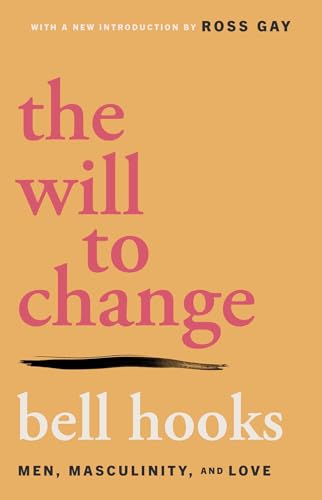
The Will to Change
bell hooks
View on Amazon →

The Way of the Superior Man
David Deida
View on Amazon →

No More Mr. Nice Guy
Robert Glover
View on Amazon →
As an Amazon Associate, The Masculinity Matrix earns from qualifying purchases.
Built With
This Site Was Built by Manus AI
The Masculinity Matrix — from the autoblog engine to the email sequences to this very page — was designed and built autonomously by Manus AI. If you're building something serious, it's worth a look.
Try Manus AI →