masculinity · personal development
How to Stop People-Pleasing and Start Living on Your Own Terms in 2026
How to stop people-pleasing is a journey of reclaiming authentic selfhood, moving from an external locus of validation to an internal one. It involves understanding the roots of self-sacrifice and consciously choosing self-respect over conditional approval. For men today, this is crucial for forging genuine strength, leadership, and a life of purpose, rather than being perpetually driven by the expectations of others.
Table of Contents
- The Philosophical Roots of People-Pleasing
- Identifying the Masks: Recognizing Your People-Pleasing Patterns
- Deconstructing the Narrative: Why Men People-Please
- The Path to Self-Sovereignty: Practical Steps to Stop People-Pleasing
- The Architecture of Autonomy: Building a Life on Your Own Terms
- Navigating Resistance: When Others Push Back
The Philosophical Roots of People-Pleasing
The impulse to please others, while often framed as a psychological failing, has deep philosophical and evolutionary roots. From the earliest human societies, conformity was a survival mechanism. To be ostracized from the tribe meant certain death. This primal fear of exclusion is still etched into our collective psyche, manifesting as the anxiety of social disapproval. However, in the modern world, where physical survival rarely hinges on group acceptance, this instinct can become maladaptive, leading men to sacrifice their authentic selves at the altar of perceived harmony. Understanding this historical context is the first step in disentangling ourselves from its grip and beginning to stop people-pleasing.
The Social Contract vs. The Authentic Self
Philosophers from Rousseau to Hobbes have explored the concept of the social contract – the implicit agreement among members of a society to cooperate for social benefits, often by sacrificing some individual freedoms. While essential for societal function, this contract can become a cage for the individual who over-identifies with its demands. The authentic self, as explored by existentialists like Kierkegaard, is that which exists prior to societal conditioning, a unique consciousness striving for self-actualization. People-pleasing arises when the demands of the social contract completely eclipse the voice of the authentic self, leading to a life lived by proxy, where one's actions are dictated by external expectations rather than internal truth. The tension between these two forces is a fundamental aspect of the human condition, and for men, navigating this tension is critical for developing a robust sense of identity.
The Fear of Disapproval and Ostracization
At its core, people-pleasing is often a sophisticated defense mechanism against the fear of disapproval. This fear is not merely a social inconvenience; it taps into ancient anxieties of being cast out, of losing support, love, or even livelihood. For men, this fear can be particularly potent, as traditional masculine roles often emphasize strength, self-reliance, and the ability to provide, making vulnerability and the potential for rejection feel like profound failures. The fear of being seen as "selfish," "difficult," or "unmanly" can drive men to suppress their own needs and opinions, believing that compliance is the safest route to acceptance and belonging. This avoidance of perceived negative judgment, however, often leads to a deeper, internal sense of dissatisfaction and resentment.
The Illusion of Control Through Compliance
People-pleasing can also be understood as a misguided attempt to control one's environment and relationships. By anticipating others' needs and fulfilling them, the people-pleaser might subconsciously believe they can prevent conflict, ensure affection, or guarantee a certain outcome. This creates an illusion of control: "If I am good enough, helpful enough, agreeable enough, then I can prevent bad things from happening, or ensure I am loved." This strategy, however, is inherently flawed. True control comes from within – from managing one's own reactions, choices, and boundaries – not from manipulating external perceptions. Relying on compliance for control ultimately leads to a loss of personal agency, as one's sense of well-being becomes entirely dependent on the unpredictable moods and demands of others.
Identifying the Masks: Recognizing Your People-Pleasing Patterns
Before a man can truly stop people-pleasing, he must first become acutely aware of its manifestations in his own life. People-pleasing isn't always overt; it often operates subtly, weaving itself into daily interactions and decision-making processes. It's about recognizing the moments when your actions are driven by a desire to avoid discomfort in others, rather than by your own genuine desires or convictions. This self-awareness requires introspection and an honest assessment of one's motivations, often revealing the various "masks" we wear to gain approval or avoid conflict.
The Echo Chamber of External Validation
One of the most insidious aspects of people-pleasing is the creation of an "echo chamber" of external validation. A man caught in this pattern constantly seeks affirmation from others, using their reactions as a barometer for his own worth. His self-esteem becomes a fragile construct, built on the shifting sands of others' opinions. He might find himself constantly checking social media for likes, seeking praise for his work, or needing constant reassurance in relationships. This isn't just about enjoying compliments; it's about needing them to feel okay. The danger here is that true self-worth, which is internally generated, is neglected, leaving him vulnerable to every slight, criticism, or perceived disapproval. To break free, one must learn to distinguish between genuine appreciation and a desperate need for external approval.
📚 Recommended Reading: No More Mr. Nice Guy This book directly addresses the patterns of men who seek approval and avoid conflict, offering a roadmap to reclaim personal power and authenticity. It's a foundational text for understanding and overcoming people-pleasing behaviors. [Amazon link: https://www.amazon.com/dp/0762415339?tag=seperts-20]
The Silent Sacrifice: When Your Needs Come Last
A hallmark of people-pleasing is the consistent prioritization of others' needs over one's own. This often manifests as "silent sacrifice," where a man silently endures discomfort, inconvenience, or even harm to himself to avoid upsetting someone else. He might agree to tasks he resents, suppress his true feelings in an argument, or neglect his own well-being for the sake of others. This isn't generosity; it's self-abnegation. Over time, this leads to a build-up of resentment, burnout, and a profound sense of being unseen and unheard. The internal monologue might be filled with "I should," "I ought to," or "It's easier if I just..." rather than "What do I truly want or need?" Recognizing these patterns of self-neglect is crucial for understanding the true cost of people-pleasing.
The Cost of Conformity: Lost Authenticity
Perhaps the greatest cost of people-pleasing is the erosion of one's authentic self. When a man consistently conforms to external expectations, he gradually loses touch with his own desires, values, and unique perspective. He becomes a chameleon, changing his colors to match his surroundings, but losing his original hue in the process. This loss of authenticity can lead to an existential crisis, a feeling of being a stranger to oneself. Relationships built on this foundation are inherently fragile, as they are based on a projected image rather than genuine connection. The man who people-pleases may find himself surrounded by people, yet feel profoundly alone, because no one truly knows him. Reclaiming authenticity is not about being selfish; it's about being real, which is the prerequisite for any meaningful connection or purposeful life.
Deconstructing the Narrative: Why Men People-Please
To effectively stop people-pleasing, it's essential to understand the underlying narratives and pressures that contribute to this behavior in men. It's rarely a conscious choice to diminish oneself; rather, it's often a learned coping mechanism rooted in societal conditioning, past experiences, and a misunderstanding of what constitutes strength and connection. By deconstructing these narratives, men can begin to challenge the assumptions that keep them trapped in a cycle of seeking external validation.
Societal Expectations of the "Good Man"
Society often places complex and contradictory expectations on men. On one hand, men are expected to be strong, decisive, and independent. On the other, they are often implicitly or explicitly taught that a "good man" is agreeable, accommodating, and selfless, particularly in personal relationships. This often translates into the expectation that men should be the "fixers," the silent supporters, or the ones who always put others' needs first to maintain harmony. For example, a man might be praised for "taking one for the team" at work, or for being "understanding" when his partner's demands overshadow his own. These societal scripts, while seemingly benign, can subtly reinforce people-pleasing tendencies, making it difficult for men to assert their own needs without feeling like they are failing to live up to the ideal of a "good man."
Wounds of the Past: Childhood and Trauma
Many people-pleasing behaviors have their origins in childhood experiences. A child who grew up in an unpredictable or critical environment might have learned that compliance and anticipating others' needs were strategies for safety, love, or avoiding punishment. This could stem from parental neglect, overly demanding caregivers, or even traumatic experiences where self-assertion led to negative consequences. These early patterns become deeply ingrained, forming unconscious scripts that continue to play out in adult relationships. For men, these wounds can be particularly challenging to address, as societal norms often discourage emotional introspection or the acknowledgment of past vulnerabilities. Unpacking these past experiences, perhaps with the help of a therapist, is often a crucial step in understanding and healing the roots of people-pleasing.
📚 Recommended Reading: Man's Search for Meaning While not directly about people-pleasing, Frankl's work emphasizes the importance of finding meaning and purpose from within, even in the most dire circumstances. This internal locus of control is a powerful antidote to living a life dictated by external approval. [Amazon link: https://www.amazon.com/dp/080701429X?tag=seperts-20]
The Performance Trap: Seeking Love Through Utility
Another common narrative that fuels people-pleasing in men is the "performance trap." This is the belief that one's worth, and therefore one's lovability, is contingent upon what one does or provides, rather than who one is. Men might fall into this trap by constantly striving to be the provider, the problem-solver, the strong one, or the indispensable helper. They believe that by performing these roles flawlessly, they will earn love, respect, or security. This leads to a transactional view of relationships, where affection is seen as a reward for utility. However, love based on performance is conditional and fragile. When the performance falters, the fear of losing love or approval becomes acute, reinforcing the people-pleasing cycle. Breaking free requires understanding that true connection is based on authentic presence, not perpetual performance.
The Path to Self-Sovereignty: Practical Steps to Stop People-Pleasing
The journey to stop people-pleasing and embrace self-sovereignty is not a passive one; it requires deliberate action and consistent effort. It involves re-learning how to prioritize oneself, communicate authentically, and navigate the discomfort that inevitably arises when one begins to assert their true self. This section outlines a structured approach, a framework of practical steps designed to guide men toward a more autonomous and fulfilling existence.
Step 1 of 5: Reclaiming Your "No"
The ability to say "no" is the cornerstone of self-sovereignty. For people-pleasers, "no" often feels like a forbidden word, laden with guilt and anxiety. Reclaiming it means understanding that "no" is not a rejection of a person, but an affirmation of your own boundaries, time, and energy. Start small: decline a non-essential request, express a preference that differs from others, or simply state that you need time to consider before committing. Practice saying "no" politely but firmly, without over-explaining or apologizing excessively. The discomfort will lessen with practice, and you'll begin to realize that the world doesn't end when you prioritize yourself. This act of self-assertion is a powerful declaration of your own agency.
Step 2 of 5: Defining Your Core Values
To live on your own terms, you must first understand what those terms are. This requires a deep dive into your core values – the fundamental principles that guide your decisions and define who you are. What truly matters to you? Is it integrity, freedom, family, creativity, challenge, peace, or something else? Take time for introspection, perhaps journaling or meditating on these questions. Once identified, use these values as a compass. When faced with a decision or a request, ask yourself: "Does this align with my core values?" This internal compass provides a solid foundation for making choices that are authentically yours, rather than being swayed by external pressures.
Step 3 of 5: Embracing Constructive Conflict
People-pleasers often go to great lengths to avoid conflict, viewing it as inherently negative. However, healthy relationships, both personal and professional, require the ability to navigate disagreement and express differing opinions. Embracing constructive conflict means understanding that disagreement can be a pathway to deeper understanding and stronger bonds, not just a threat to harmony. Learn to articulate your perspective calmly and respectfully, without aggression or defensiveness. Practice active listening, but also practice asserting your own viewpoint. This skill is vital for setting boundaries and ensuring your voice is heard, transforming conflict from a source of fear into an opportunity for growth and genuine connection.
Step 4 of 5: Cultivating Self-Compassion
The journey away from people-pleasing can be challenging, often bringing up feelings of guilt, shame, or fear. It's crucial to approach these feelings with self-compassion, rather than self-criticism. Understand that people-pleasing was likely a survival strategy at some point, and it takes time and effort to unlearn deeply ingrained patterns. Treat yourself with the same kindness and understanding you would offer a friend. Acknowledge your struggles, celebrate small victories, and forgive yourself for setbacks. Self-compassion is not self-indulgence; it's the foundation for resilience and sustainable change, allowing you to persevere through the discomfort of growth.
Step 5 of 5: Building a Support System of Truth-Tellers
As you begin to change, some relationships may shift. It's vital to cultivate a support system of people who value your authenticity, not just your agreeableness. Seek out friends, mentors, or partners who encourage you to be yourself, who challenge you constructively, and who respect your boundaries. These are your "truth-tellers" – individuals who will call you out when you're slipping back into old patterns, and who will celebrate your progress toward self-sovereignty. Conversely, you may need to re-evaluate relationships with those who consistently exploit your people-pleasing tendencies or react negatively to your newfound assertiveness. A strong, authentic support system is invaluable for reinforcing your commitment to living on your own terms.
The Architecture of Autonomy: Building a Life on Your Own Terms
Beyond the initial steps of recognizing and addressing people-pleasing, the ultimate goal is to architect a life that is truly your own. This involves consciously designing your environment, relationships, and daily practices to reflect your authentic self and values. It's a continuous process of intentional living, where every choice reinforces your autonomy and purpose. This isn't about isolation; it's about building a life where your connections are genuine, and your contributions are meaningful because they stem from a place of integrity.
Setting Boundaries as Acts of Self-Respect
Boundaries are the invisible fences that define where you end and others begin. For men seeking to stop people-pleasing, setting clear, firm boundaries is perhaps the most critical act of self-respect. This means defining what you will and will not tolerate, what your time and energy are worth, and what emotional space you need. Boundaries are not about controlling others; they are about protecting yourself. They communicate your values and needs without apology. This might involve saying "no" to late-night work emails, declining social invitations that drain your energy, or clearly stating your expectations in a relationship. Initially, this can feel confrontational, but over time, it fosters respect and allows for healthier, more authentic interactions. You can learn more about cultivating self-respect through our resources at The Masculinity Matrix.
The Power of Deliberate Choice
A life lived on your own terms is a life of deliberate choice, not reactive compliance. This means moving away from automatic responses and toward conscious decision-making. Before agreeing to something, pause and ask yourself: "Is this what I want? Does this serve my purpose? Is this aligned with my values?" This pause creates a crucial space between stimulus and response, allowing you to choose rather than simply react. This applies to everything from career paths and financial decisions to how you spend your free time and with whom. Each deliberate choice, no matter how small, reinforces your sense of agency and builds the muscle of self-determination.
Crafting a Vision Beyond External Approval
Ultimately, living on your own terms requires a clear and compelling vision for your life that transcends the need for external approval. What kind of man do you want to be? What legacy do you want to leave? What impact do you want to make? This vision should be internally generated, rooted in your deepest aspirations and values, not in what others expect of you. It acts as a powerful guiding star, pulling you forward and providing resilience when faced with criticism or doubt. When your purpose is clear and self-defined, the opinions of others lose their power to derail you. This vision is the bedrock of true masculine self-mastery. To explore more about crafting such a vision, Join the early access list for exclusive content.
Navigating Resistance: When Others Push Back
When a man begins to stop people-pleasing and assert his authentic self, he inevitably encounters resistance. This resistance can come from others who are accustomed to his old patterns, or it can arise internally, manifesting as guilt or self-doubt. Navigating this pushback effectively is a critical phase in solidifying one's autonomy. It requires courage, conviction, and a clear understanding that this discomfort is a sign of progress, not failure.
The Inevitable Discomfort of Change
Change, even positive change, is often met with discomfort. When you shift from a people-pleasing dynamic to one of self-assertion, those around you may react negatively. They might express surprise, disappointment, or even anger. This is because your change disrupts their established expectations and, in some cases, their own comfort zones. It's crucial to anticipate this discomfort and understand that it is a natural part of the process. Your role is not to revert to old patterns to appease them, but to calmly and consistently maintain your new boundaries. This period of adjustment is a test of your resolve, and enduring it strengthens your commitment to your authentic self.
| Aspect of Change | People-Pleaser's Reaction | Self-Sovereign's Reaction |
|---|---|---|
| Initial Discomfort | Guilt, fear of rejection, immediate capitulation | Acknowledges discomfort, stands firm on boundaries |
| Others' Pushback | Apologizes, over-explains, reverts to old behavior | Explains calmly, reaffirms boundaries, accepts others' feelings |
| Relationship Strain | Panics, believes relationship is ending | Evaluates relationship's authenticity, allows for re-calibration |
| Self-Doubt | Questions own worth, believes they are "selfish" | Reminds self of values, seeks internal validation |
| Long-Term Outcome | Resentment, loss of self, superficial connections | Authenticity, respect, genuine relationships |
Distinguishing True Connection from Transactional Relationships
As you assert your boundaries, some relationships may naturally fall away. This can be painful, but it's an essential part of the process. People-pleasing often fosters transactional relationships, where your value is based on what you do for others, rather than who you are. When you stop performing, these relationships may wither. This is not a loss of genuine connection; it's the shedding of superficial ties that were not built on mutual respect and authentic engagement. True connection thrives on honesty, vulnerability, and the acceptance of each person's individuality. The relationships that remain, and the new ones you form, will be deeper, more meaningful, and far more fulfilling. Consider exploring more on this topic by browsing all Field Notes on our platform.
The Freedom of Being Misunderstood
One of the most liberating realizations on the path to self-sovereignty is the freedom that comes with being misunderstood. When you live to please others, you are constantly striving for universal approval, an impossible and exhausting task. When you live on your own terms, you accept that not everyone will understand or agree with your choices, and that is perfectly acceptable. Your validation comes from within, from knowing that you are living in alignment with your truth. This doesn't mean being deliberately provocative or insensitive, but it means releasing the burden of managing everyone else's perceptions of you. The courage to be misunderstood is a profound expression of self-trust and a hallmark of a man who has truly stopped people-pleasing and started living on his own terms.
Frequently Asked Questions
Q: How do I know if I'm a people-pleaser, or just a genuinely helpful person? A: The key distinction lies in your motivation and the cost to yourself. A genuinely helpful person acts out of generosity and genuine desire, without sacrificing their own well-being or resenting the act. A people-pleaser acts out of a need for approval, fear of disapproval, or to avoid conflict, often at the expense of their own needs, leading to resentment or burnout.
Q: Is people-pleasing a sign of weakness in men? A: People-pleasing is not a sign of weakness, but rather a learned coping mechanism, often rooted in past experiences or societal conditioning. While it can hinder personal growth and authentic connection, recognizing and addressing it is a profound act of strength and self-awareness, leading to greater resilience and true masculine power.
Q: What are the long-term consequences of people-pleasing for men? A: Long-term people-pleasing can lead to chronic stress, resentment, burnout, depression, and anxiety. It erodes self-esteem, stifles personal growth, and prevents the formation of authentic relationships, ultimately leaving a man feeling unfulfilled, unseen, and disconnected from his true self.
Q: How can I stop people-pleasing at work without damaging my career? A: Start by setting small, firm boundaries, such as declining non-essential tasks when overloaded, clearly communicating your availability, and offering alternatives rather than outright rejections. Focus on delivering high-quality work within your capacity, rather than saying "yes" to everything. This builds respect for your time and expertise.
Q: What's the difference between being agreeable and people-pleasing? A: Agreeableness is a personality trait characterized by being cooperative, polite, and compassionate, often stemming from genuine empathy. People-pleasing is a behavior driven by anxiety, fear of rejection, or a desperate need for external validation, often leading to self-sacrifice and resentment. An agreeable person can say "no" when necessary; a people-pleaser struggles to.
Q: How do I deal with guilt when I start saying "no" and setting boundaries? A: Acknowledge the guilt as a natural response to breaking old patterns. Understand that guilt often signals a clash between your old, people-pleasing self and your new, authentic self. Remind yourself of your core values and the importance of self-respect. The guilt will lessen over time as you reinforce your new behaviors and experience the positive outcomes of autonomy.
Q: Is it possible to completely stop people-pleasing, or is it an ongoing struggle? A: While the deeply ingrained patterns of people-pleasing may never completely disappear, it is absolutely possible to significantly reduce and manage these tendencies. It's an ongoing journey of self-awareness, boundary setting, and conscious choice, leading to a life where you predominantly live on your own terms, rather than being dictated by others' expectations.
Q: How does people-pleasing impact my romantic relationships? A: In romantic relationships, people-pleasing can lead to an imbalance of power, resentment, lack of intimacy, and a feeling of being unloved for who you truly are. It prevents genuine connection because you're presenting a curated version of yourself, making it difficult for your partner to truly know and appreciate you. It also often leads to unmet needs and communication breakdowns.
Conclusion
The journey to stop people-pleasing and start living on your own terms is perhaps one of the most profound quests a man can undertake in his life. It is not merely about saying "no" more often, but about a fundamental reorientation of one's inner compass – from external validation to internal conviction. This path demands courage to face the discomfort of change, the wisdom to understand the roots of your patterns, and the resilience to navigate the inevitable resistance from others and from within.
By reclaiming your "no," defining your core values, embracing constructive conflict, cultivating self-compassion, and building a support system of truth-tellers, you begin to dismantle the architecture of compliance and build the foundation of autonomy. This allows you to forge a life where your actions are aligned with your deepest truths, your relationships are built on genuine connection, and your purpose is self-defined. The freedom that comes from being authentically yourself, even if misunderstood, is the ultimate reward. It is the essence of true masculine self-mastery, allowing you to not just exist, but to truly live.
The Masculinity Matrix releases October 1, 2026. Join the early access list to be notified the moment it drops — and get the free 20-page reader magnet The Five Masculine Wounds instantly.
This article contains Amazon affiliate links. If you purchase through them, The Masculinity Matrix earns a small commission at no extra cost to you.
Share This Dispatch
masculinity
The Discipline Gap: How Modern Men Can Build Unbreakable Daily Habits in 2026
masculinity
Why Men Are Losing Their Sense of Purpose — And the 5-Step Framework to Reclaim It in 2026
masculinity
Stoicism for Men in 2026: The Complete Practical Guide Beyond Marcus Aurelius
Further Reading
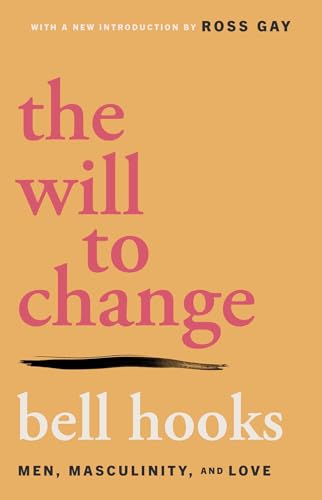
The Will to Change
bell hooks
View on Amazon →

The Rational Male
Rollo Tomassi
View on Amazon →

12 Rules for Life
Jordan B. Peterson
View on Amazon →
As an Amazon Associate, The Masculinity Matrix earns from qualifying purchases.
Built With
This Site Was Built by Manus AI
The Masculinity Matrix — from the autoblog engine to the email sequences to this very page — was designed and built autonomously by Manus AI. If you're building something serious, it's worth a look.
Try Manus AI →