masculinity · personal development
Iron John vs 12 Rules for Life: Two Paradigms of Male Initiation for the Modern Man
C. V. WoosterMarch 30, 202625 min read
*This article contains Amazon affiliate links. If you purchase through them, The Masculinity Matrix earns a small commission at no extra cost to you.*
# Iron John vs 12 Rules for Life: Two Paradigms of Male Initiation for the Modern Man
**Iron John vs 12 Rules for Life is a comparison of two distinct yet influential approaches to male development and initiation.** Robert Bly's "Iron John" delves into mythopoetic traditions, advocating for a return to wild masculinity through ritual and archetypal understanding. Jordan Peterson's "12 Rules for Life," conversely, offers a pragmatic, individualistic framework rooted in responsibility, order, and confronting chaos. For men navigating the complexities of identity in the modern world, understanding these divergent philosophies provides crucial pathways for self-discovery and mature masculine integration.
## Table of Contents
1. [The Crisis of Modern Masculinity: Why Initiation Matters](#the-crisis-of-modern-masculinity-why-initiation-matters)
2. [Iron John: The Mythopoetic Path to the Wild Man](#iron-john-the-mythopoetic-path-to-the-wild-man)
3. [12 Rules for Life: The Individual's Stand Against Chaos](#12-rules-for-life-the-individuals-stand-against-chaos)
4. [Comparing the Philosophies: Archetype vs. Axiom](#comparing-the-philosophies-archetype-vs-axiom)
5. [Integrating Both Paths: A Holistic Approach to Male Development](#integrating-both-paths-a-holistic-approach-to-male-development)
6. [Practical Application: Crafting Your Own Initiation](#practical-application-crafting-your-own-initiation)
7. [The Enduring Quest for Meaning in Masculinity](#the-enduring-quest-for-meaning-in-masculinity)
## The Crisis of Modern Masculinity: Why Initiation Matters
The modern world, with its rapid technological advancements, shifting social norms, and often ambiguous expectations for men, presents a unique set of challenges to male identity. Traditional rites of passage, once integral to guiding young men into mature masculinity, have largely dissolved, leaving a vacuum where confusion and aimlessness often take root. This absence of clear pathways to manhood is not merely a sociological observation but a profound psychological and spiritual crisis for many men. Without a structured process of initiation, men are left to piece together their understanding of what it means to be a man from often contradictory sources: media portrayals, peer pressure, and the often unexamined expectations of a culture that simultaneously demands strength and sensitivity, stoicism and emotional openness.
### The Erosion of Traditional Rites of Passage
Historically, across diverse cultures, the transition from boyhood to manhood was marked by specific rituals, trials, and teachings. These rites served not only to test a young man's courage and resilience but also to impart wisdom, connect him to his lineage, and integrate him into the adult community with a defined role and purpose. From vision quests in indigenous tribes to the apprenticeships and guild systems of medieval Europe, these processes provided a clear, often arduous, journey. The absence of such clear markers today means that many men drift into adulthood without a deep sense of self, purpose, or belonging. They may achieve professional success or material wealth, yet still feel an underlying sense of unfulfillment or a lack of authentic masculine power. This erosion leaves men vulnerable to superficial definitions of masculinity, often leading to anxiety, depression, and a pervasive sense of being lost.
### The Search for Meaning and Purpose
In the wake of this erosion, men are increasingly seeking frameworks that can provide guidance and meaning. The innate human desire for purpose, for a narrative that makes sense of one's struggles and aspirations, is particularly acute in the realm of masculine identity. This search is not about returning to some idealized past, but about extracting timeless principles that can be applied to contemporary life. It’s about understanding the archetypal forces that shape male psychology, discerning healthy expressions of power and vulnerability, and building a life of integrity and contribution. The popularity of works like "Iron John" and "12 Rules for Life" speaks directly to this hunger for guidance, offering distinct lenses through which men can examine their lives, confront their shadows, and forge a path toward mature, integrated masculinity. They represent attempts to re-mythologize and re-ritualize the journey of male development, providing intellectual and emotional tools for men to undertake their own, often solitary, initiation.
### The Impact of Societal Expectations
Modern society often presents men with a paradox: on one hand, it demands that men be strong, stoic, and providers; on the other, it critiques traditional masculinity as toxic, oppressive, and outdated. This creates a confusing landscape where men struggle to find a healthy expression of their masculine nature without fear of judgment or misinterpretation. The pressure to conform to ever-shifting expectations can lead to a suppression of authentic self-expression, fostering resentment or a retreat into passive-aggressive behaviors. A true initiation, whether through myth or practical rules, offers a man a compass that points inward, guiding him to define his own values and principles rather than being tossed about by external pressures. It empowers him to discern between genuine strength and performative bravado, between authentic leadership and mere dominance. This internal compass is vital for navigating the complex social currents and forging a path that is both personally fulfilling and socially responsible.
---
**📚 Recommended Reading:** The Way of the Superior Man
David Deida's seminal work challenges men to live with purpose, integrity, and a deep understanding of their masculine essence, offering profound insights into intimate relationships and spiritual growth.
[Amazon link: https://www.amazon.com/dp/1622038320?tag=seperts-20]
---
## Iron John: The Mythopoetic Path to the Wild Man
Robert Bly's "Iron John: A Book About Men" burst onto the scene in 1990, becoming a foundational text for the mythopoetic men's movement. Drawing heavily on Jungian psychology, folklore, and ancient myths, Bly argues that modern men have become disconnected from a vital aspect of their masculine nature: the "Wild Man." This isn't a call to savagery or aggression, but rather an invitation to reconnect with a primal, instinctual, and deeply spiritual energy that has been suppressed by modern society, often by well-meaning but overprotective mothers and absent fathers. Bly uses the Grimm fairy tale of "Iron John" as a central metaphor, tracing the journey of a young prince who must descend into the wilderness, reclaim his "golden ball" (his true self), and undergo a series of trials to become a fully initiated man.
### Reclaiming the "Wild Man" Archetype
Bly posits that the "Wild Man" is an essential masculine archetype, distinct from the "savage" or "brute." He is the keeper of deep masculine wisdom, instinct, and connection to the earth. Modern society, Bly argues, has actively domesticated men, stripping them of this vital energy through a combination of factors: the rise of industrialization separating men from physical labor and nature, the increasing absence of fathers in the home, and an educational system that often prioritizes conformity over rugged individualism. This domestication leaves men feeling emasculated, passive, and unable to access their full creative and protective power. Reclaiming the Wild Man involves a symbolic descent into the "wilderness" – a journey into the unconscious, confronting one's shadows, and rediscovering the potent, instinctual energies that lie dormant within. It's about finding a healthy, integrated way to express this primal force, not to suppress it.
### The Role of Mentorship and Ritual
Central to Bly's philosophy is the critical role of older, initiated men in guiding younger men. He laments the absence of "male elders" who can provide the "deep masculine" guidance necessary for a boy to transition into manhood. In the "Iron John" tale, the Wild Man himself serves as a mentor, guiding the young prince through his trials. This mentorship is not about telling a young man what to do, but about creating spaces for him to encounter his own challenges, to learn from his mistakes, and to witness the strength and vulnerability of other men. The mythopoetic movement often emphasized men's gatherings, drumming circles, and storytelling as modern forms of ritual designed to foster this kind of intergenerational connection and provide a container for men to explore their emotional and spiritual landscapes. These rituals aim to provide the symbolic "golden ball" – the authentic self – that has been lost or buried.
### The Father Wound and the "Sweet Mother"
Bly extensively explores the concept of the "father wound" – the psychological impact of absent, distant, or emotionally unavailable fathers on a boy's development. He argues that without a strong, present father figure, a boy often remains overly tethered to his mother, unable to fully break free and embrace his masculine independence. This "sweet mother" energy, while nurturing in early childhood, can become stifling if it prevents a boy from encountering the necessary challenges and boundaries that a father typically provides. The "Iron John" story illustrates this by showing the prince's initial captivity by the Wild Man (a symbolic father figure) as a necessary separation from the feminine domain. This separation, though difficult, is crucial for the boy to develop his own masculine identity, distinct from his mother's influence, and to forge a connection with the deeper, more primal aspects of himself. It’s about learning to stand on one's own two feet, guided by an internal compass rather than external approval.
## 12 Rules for Life: The Individual's Stand Against Chaos
Jordan B. Peterson's "12 Rules for Life: An Antidote to Chaos" emerged as a cultural phenomenon, offering a starkly different, yet equally compelling, framework for navigating the complexities of modern existence. Peterson, a clinical psychologist and professor, grounds his philosophy in a blend of evolutionary biology, Jungian archetypes, religious narratives, and practical psychological advice. His work champions individual responsibility, the pursuit of truth, and the courageous confrontation of life's inherent suffering and chaos. Unlike Bly's emphasis on collective myth and ritual, Peterson's approach is highly individualistic, urging men (and women) to "stand up straight with their shoulders back" and take ownership of their lives, their actions, and their potential.
### Embracing Responsibility and Order
At the core of Peterson's philosophy is the radical call to embrace individual responsibility. He argues that much of modern malaise stems from a refusal to shoulder the burden of existence, leading to resentment, nihilism, and a descent into chaos. His rules, such as "Stand up straight with your shoulders back" or "Set your house in perfect order before you criticize the world," are not mere platitudes but profound injunctions to confront the disorder within oneself and one's immediate environment. For Peterson, establishing order in one's personal life – tidying one's room, speaking truthfully, pursuing competence – is the prerequisite for confronting the larger chaos of the world. This emphasis on personal accountability resonates deeply with men who feel adrift, offering a concrete path to agency and self-respect. It's about recognizing that while life is inherently difficult, one's response to that difficulty is entirely within one's control.
### Confronting the Dragon of Chaos
Peterson frequently employs the metaphor of the "dragon of chaos" to represent the unknown, the terrifying, and the potential for suffering that is an inescapable part of life. He argues that true courage and meaning are found not in avoiding this dragon, but in confronting it head-on. This confrontation can manifest in various forms: facing one's fears, pursuing difficult truths, or taking on challenging responsibilities. Rather than seeking comfort or safety above all else, Peterson encourages men to voluntarily expose themselves to discomfort and uncertainty, for it is through this process that growth, competence, and meaning are forged. This perspective offers a powerful antidote to the infantilization that can occur when men are shielded from hardship, providing a framework for developing resilience and a sense of purpose in the face of adversity. It's about understanding that the greatest rewards often lie on the other side of fear.
### The Pursuit of Truth and Meaning
A central tenet of Peterson's work is the unwavering commitment to truth, even when that truth is painful or inconvenient. He argues that speaking truthfully, both to oneself and to others, is the highest form of moral action and the foundation of a meaningful life. Lies, even small ones, accumulate to create a distorted reality, leading to resentment and a loss of direction. For men struggling with identity, this emphasis on truth provides a compass. It encourages introspection, honest self-assessment, and the courage to articulate one's genuine beliefs and desires. Furthermore, Peterson posits that meaning is found not in the pursuit of happiness, but in the voluntary adoption of responsibility and the courageous confrontation of suffering. This meaning, he suggests, is what sustains individuals through life's inevitable hardships, providing a profound sense of purpose that transcends fleeting pleasures.
---
**📚 Recommended Reading:** 12 Rules for Life
Jordan Peterson's international bestseller provides a practical philosophical guide for navigating the chaos of modern existence, emphasizing individual responsibility, truth, and the pursuit of meaning.
[Amazon link: https://www.amazon.com/dp/0345816021?tag=seperts-20]
---
## Comparing the Philosophies: Archetype vs. Axiom
While both "Iron John" and "12 Rules for Life" seek to address the challenges of male development and provide a path to mature masculinity, their methodologies, philosophical underpinnings, and practical applications differ significantly. Bly's work is deeply rooted in the mythopoetic tradition, emphasizing collective unconscious, archetypal patterns, and the symbolic journey. Peterson's, conversely, is more aligned with existentialism and pragmatism, focusing on individual agency, rational thought, and actionable principles. Understanding these distinctions is crucial for men seeking to integrate these teachings into their own lives, as each offers unique strengths and perspectives.
### Focus: Collective Myth vs. Individual Responsibility
Bly's "Iron John" places a strong emphasis on the collective unconscious and the power of myth. He argues that men are deeply influenced by archetypal patterns that transcend individual experience, and that understanding these myths (like the Wild Man) is essential for psychological integration. His approach often involves group work, storytelling, and a reconnection with ancient traditions to tap into these shared masculine energies. The individual's journey is seen as a re-enactment of universal patterns.
Peterson, on the other hand, champions radical individual responsibility. While he acknowledges the power of archetypes (drawing heavily on Jung), his primary focus is on how the individual chooses to act in the world. His "rules" are axioms for personal conduct, urging men to take ownership of their lives, clean up their own messes, and confront their personal dragons. The emphasis is on self-improvement and the moral obligation of the individual to order their own corner of reality.
### Methodology: Symbolic Journey vs. Pragmatic Action
The methodology of "Iron John" is largely symbolic and experiential. It invites men to embark on an internal, mythic journey, often facilitated by rituals, storytelling, and a deep engagement with poetry and folklore. The "golden ball" and the "descent into the wilderness" are metaphors for psychological processes that require introspection and a willingness to engage with the unconscious. The insights gained are often intuitive and emotional.
"12 Rules for Life" offers a more pragmatic and behavioral approach. Its rules are direct injunctions for action: "Tell the truth—or, at least, don't lie," "Pursue what is meaningful, not what is expedient." The methodology is about concrete steps, disciplined habits, and a rational confrontation with reality. The emphasis is on observable changes in behavior and the cultivation of virtues through deliberate practice.
### Scope: Deep Masculine vs. Human Condition
Bly's work is explicitly about "men" and "masculinity." It delves into the specific psychological challenges and archetypal energies pertinent to male development, such as the father wound, the relationship with the "sweet mother," and the reclaiming of the "deep masculine." Its scope is focused on understanding and healing the masculine psyche.
Peterson's "12 Rules for Life," while resonating strongly with men, is presented as a guide for the human condition more broadly. His rules are applicable to anyone seeking to navigate suffering, find meaning, and live a more ordered life, regardless of gender. While he uses examples and archetypes that often speak to male experience, the principles are framed as universal moral and psychological imperatives.
### Comparison Table: Iron John vs. 12 Rules for Life
| Feature | Iron John (Robert Bly) | 12 Rules for Life (Jordan Peterson) |
| :---------------------- | :----------------------------------------------------- | :---------------------------------------------------------- |
| **Core Philosophy** | Mythopoetic, Jungian, Archetypal | Existential, Pragmatic, Responsibility-focused |
| **Primary Focus** | Reclaiming the "Wild Man," collective masculine psyche | Individual responsibility, confronting chaos, finding meaning |
| **Methodology** | Symbolic journey, ritual, storytelling, introspection | Pragmatic rules, behavioral change, rational confrontation |
| **Key Concepts** | Wild Man, Golden Ball, Father Wound, Deep Masculine | Order vs. Chaos, Truth, Responsibility, Meaning, Hierarchy |
| **Societal Critique** | Domestication of men, absent fathers | Postmodernism, nihilism, refusal of responsibility |
| **Path to Maturity** | Reconnection with primal masculine energy, initiation | Voluntary adoption of burden, courageous action, truth-telling |
| **Community Role** | Essential for mentorship, shared ritual | Individual action, though community benefits from ordered individuals |
| **Emotional Approach** | Exploration of deep emotional/spiritual landscapes | Confrontation of negative emotions through truth and action |
## Integrating Both Paths: A Holistic Approach to Male Development
While "Iron John" and "12 Rules for Life" present distinct philosophies, they are not mutually exclusive. In fact, for the modern man seeking a comprehensive and robust framework for personal development, integrating elements from both can lead to a more holistic and resilient masculinity. Bly provides the depth of myth and the wisdom of archetypes, offering a rich internal landscape to explore. Peterson offers the clarity of actionable principles and the courage to face external reality with integrity. A man who can draw upon both the mythopoetic and the pragmatic is better equipped to navigate the complexities of his inner world and the demands of the outer world.
### The Inner World: Myth, Archetype, and Emotion
From Bly, men can learn the importance of understanding their inner landscape through the lens of myth and archetype. This involves recognizing the "Wild Man" within, not as an excuse for unbridled aggression, but as a source of vital energy, instinct, and creativity that needs to be consciously integrated. It means exploring the "father wound" and the influence of the "sweet mother" to understand the origins of one's relational patterns and emotional responses. This path encourages men to engage with their emotions, not to suppress them, but to understand their messages and integrate them into a mature self. It's about finding the "golden ball" – the authentic self – that might be buried under layers of societal conditioning or personal trauma. This inner work provides a deep well of self-knowledge and emotional resilience.
### The Outer World: Responsibility, Order, and Action
Peterson's framework provides the necessary tools for engaging effectively with the external world. His emphasis on individual responsibility, truth-telling, and the voluntary adoption of burden equips men to create order in their lives and contribute meaningfully to society. This means taking concrete steps: cleaning one's room, speaking one's mind, pursuing competence in one's chosen field, and confronting the "dragon of chaos" through courageous action. It's about translating inner wisdom into outer manifestation, building a life of integrity, and standing firm in the face of adversity. The pragmatic rules offer a structure for daily life, ensuring that the insights gained from inner exploration are grounded in tangible, responsible behavior. This outward focus provides a sense of agency and purpose.
### The Synergy of Inner and Outer Work
The true power lies in the synergy. A man who understands his archetypal depths (Bly) but lacks the discipline to act responsibly in the world (Peterson) may remain stuck in introspection, unable to manifest his potential. Conversely, a man who is highly disciplined and responsible (Peterson) but disconnected from his deeper emotional and instinctual self (Bly) may become rigid, emotionally stunted, or prone to burnout.
**Case Study: John's Journey**
— **Before:** John, 35, felt a pervasive sense of aimlessness despite a successful career. He often felt irritable, disconnected from his emotions, and struggled with intimacy. He had read self-help books but felt they lacked depth.
— **After:** John began exploring mythopoetic texts, attending men's groups, and journaling about his dreams and childhood. This helped him identify a "father wound" and understand his tendency to seek external validation. Simultaneously, he applied Peterson's rules: he decluttered his home, started speaking his truth in difficult conversations at work, and committed to a daily routine of exercise and meditation. The combination allowed him to not only understand the *why* behind his struggles (mythopoetic insight) but also to implement practical changes (Peterson's rules) that led to greater emotional integration, stronger relationships, and a clearer sense of purpose. He found his "Wild Man" energy channeled into creative projects and his responsibility into leading his team with integrity.
By integrating both, a man can achieve a robust, adaptable masculinity. He can draw strength from his primal, instinctual self while simultaneously exercising rational control and taking principled action. He can navigate the complexities of his inner emotional world with the wisdom of myth, and confront the challenges of the external world with the courage of responsibility. This dual approach fosters a masculinity that is both deeply rooted and highly functional, capable of both introspection and impactful action.
## Practical Application: Crafting Your Own Initiation
The absence of formal rites of passage in modern society doesn't mean men are doomed to a life without initiation. Instead, it places the onus on the individual to consciously craft their own journey. This process involves drawing inspiration from both the mythopoetic and pragmatic traditions, creating a personalized framework for growth and self-mastery. It's about intentionally seeking out experiences, knowledge, and communities that challenge, inform, and ultimately transform. This self-directed initiation is not a one-time event but an ongoing commitment to personal development and the pursuit of a more integrated self.
### Step 1 of 4: Self-Reflection and Archetypal Mapping
Begin by deeply reflecting on your own life story. What are the recurring themes? What "golden balls" have you lost or are you trying to reclaim? Consider your relationship with your father and mother – what "wounds" or patterns might be influencing you? Use the language of archetypes (King, Warrior, Magician, Lover, Wild Man) to understand your dominant and underdeveloped aspects. Journaling, dream analysis, and engaging with myths and stories can be powerful tools here. This step is about understanding your inner landscape, identifying your personal "wilderness," and recognizing the forces that have shaped your masculine identity.
### Step 2 of 4: Embracing Responsibility and Order
Once you have a clearer internal map, apply Peterson's principles to bring order to your external life. Start small: "Clean up your room." This isn't just about tidiness; it's about taking ownership of your immediate environment. Identify areas where you are shirking responsibility – financially, relationally, professionally, or personally. Commit to speaking the truth, even when it's difficult. Set clear, meaningful goals and work diligently towards them. This step is about building a foundation of discipline and integrity, creating the stable platform from which deeper self-exploration can occur. It's about demonstrating competence and reliability to yourself and to the world.
### Step 3 of 4: Seeking Mentorship and Community
Both Bly and Peterson, in different ways, highlight the importance of others. Bly emphasizes male elders and community; Peterson speaks of surrounding yourself with people who want the best for you. Actively seek out mentors – older men who embody qualities you admire and who can offer guidance. Join a men's group, a philosophical discussion circle, or a community of practice that aligns with your values. These relationships provide accountability, diverse perspectives, and a sense of belonging. They offer a "container" for your growth, a place where you can be challenged and supported in equal measure. This step counters the isolation that often plagues modern men, providing crucial external validation and wisdom.
### Step 4 of 4: Voluntary Confrontation and Ritual Creation
Consciously seek out challenges that push your boundaries. This could be a physical endurance event, a demanding new skill, a difficult conversation you've been avoiding, or a period of solitude in nature. These are your modern "descents into the wilderness." Create personal rituals that mark significant transitions or reinforce your values – a morning meditation, a yearly solo camping trip, a dedicated time for reflection. These acts of voluntary confrontation and ritual creation serve as your personalized rites of passage, solidifying your growth and integrating your insights. They are the crucible in which your new, mature masculinity is forged.
---
**📚 Recommended Reading:** King, Warrior, Magician, Lover
Robert Moore and Douglas Gillette explore four fundamental masculine archetypes, offering a profound psychological map for men to understand their inner world and integrate their masculine energies.
[Amazon link: https://www.amazon.com/dp/0062506064?tag=seperts-20]
---
## The Enduring Quest for Meaning in Masculinity
The journey of male initiation, whether guided by the mythopoetic depths of "Iron John" or the pragmatic axioms of "12 Rules for Life," is ultimately a quest for meaning. In a world that often feels devoid of inherent purpose, men are tasked with the profound responsibility of constructing their own, not through passive consumption, but through active engagement with life's challenges and opportunities. This quest is not about finding a static definition of masculinity, but about cultivating a dynamic, adaptable, and deeply personal understanding of what it means to be a man of integrity, purpose, and strength in the 21st century.
The insights offered by Bly and Peterson, though distinct, converge on a crucial point: that a meaningful masculine life is forged through a conscious engagement with both the inner and outer worlds. It requires the courage to delve into the archetypal shadows and reclaim lost parts of the self, as much as it demands the discipline to stand tall, speak truth, and take responsibility for one's actions. The modern man is not merely a product of his environment, but an active participant in his own making, a sculptor of his own soul.
This ongoing process of self-initiation is a testament to the enduring human spirit's desire for growth and transcendence. It is a call to men to move beyond superficial definitions of success and embrace a deeper, more authentic expression of their masculine potential. By integrating the wisdom of myth with the clarity of principle, men can chart a course toward a masculinity that is both powerful and compassionate, wild and ordered, deeply personal and universally resonant. This is the essence of the journey, a continuous unfolding toward a more complete and integrated self.
## Frequently Asked Questions
**Q: What is the main difference between "Iron John" and "12 Rules for Life"?**
A: "Iron John" focuses on mythopoetic traditions, Jungian archetypes, and the reclamation of primal masculine energy through symbolic journeys and community. "12 Rules for Life" emphasizes individual responsibility, rational action, and confronting chaos through pragmatic rules and truth-telling.
**Q: Which book is better for men seeking personal growth?**
A: Neither book is inherently "better"; they offer complementary approaches. "Iron John" provides depth for understanding inner psychological landscapes, while "12 Rules for Life" offers practical guidance for ordering one's external life. Many men find a holistic approach by integrating insights from both.
**Q: Does "Iron John" promote toxic masculinity?**
A: No. Robert Bly explicitly distinguishes the "Wild Man" from the "savage" or "brute." The "Wild Man" archetype is about reconnecting with instinctual, vital energy, not aggression or dominance. It advocates for an integrated, healthy expression of masculine power.
**Q: Is Jordan Peterson's work only for men?**
A: While Peterson's work resonates strongly with men, his "12 Rules for Life" are presented as universal principles for navigating suffering, finding meaning, and taking responsibility, applicable to anyone regardless of gender.
**Q: How can I apply these philosophies in my daily life?**
A: For "Iron John," engage in self-reflection, explore myths, journal, and seek male mentorship or community. For "12 Rules for Life," start by taking responsibility for your immediate environment, speaking truthfully, setting clear goals, and confronting challenges directly.
**Q: What is the "father wound" as described in "Iron John"?**
A: The "father wound" refers to the psychological impact on a boy's development due to an absent, distant, or emotionally unavailable father. Bly argues this can hinder a boy's ability to separate from his mother and fully embrace his masculine independence.
**Q: Are there any common criticisms of these books?**
A: "Iron John" has been criticized for its essentialist views on gender and its focus on a specific, often white, male experience. "12 Rules for Life" has faced criticism for its conservative social views, perceived lack of nuance, and sometimes overly complex language.
**Q: What other books complement these two for male development?**
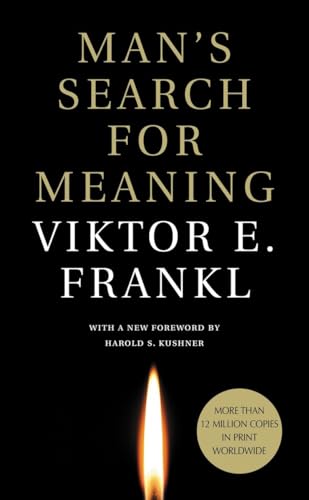
A: Books like "King, Warrior, Magician, Lover" by Moore and Gillette, "The Way of the Superior Man" by David Deida, and "Man's Search for Meaning" by Viktor Frankl offer further valuable perspectives on masculinity, archetypes, and the pursuit of meaning.
## Conclusion + CTA
The journey of male initiation in the modern era is less about prescribed rituals and more about a conscious, ongoing commitment to self-discovery and growth. "Iron John" and "12 Rules for Life" stand as two monumental guides in this quest, each offering a distinct yet powerful lens through which men can understand themselves and their place in the world. Bly invites us into the mythopoetic depths, urging a reconnection with the primal, instinctual "Wild Man" and the healing of ancestral wounds. Peterson calls us to stand tall, embrace individual responsibility, and confront the chaos of existence with truth and courage.
For the man serious about forging a robust, integrated masculinity, the most potent path lies not in choosing one over the other, but in synthesizing their wisdom. By delving into the archetypal narratives that shape our inner lives and simultaneously applying pragmatic principles to order our outer world, men can craft a personalized initiation that is both deeply meaningful and eminently practical. This holistic approach empowers men to navigate the complexities of modern identity, build lives of purpose, and contribute authentically to their communities. The quest for mature masculinity is an enduring one, and these philosophies provide invaluable compasses for the journey.
The Masculinity Matrix releases October 1, 2026. [Join the early access list](https://themasculinitymatrix.com/#newsletter) to be notified the moment it drops — and get the free 20-page reader magnet *The Five Masculine Wounds* instantly.
Continue Reading
MM
masculinity
How to Find Your Life's Purpose: A Philosophical Framework for Men in 2024
Mar 30, 202623 min
MM
masculinity
Why Vulnerability Is Not Weakness: The Modern Man's Misconception in 2024
Mar 30, 202621 min
MM
masculinity
The Modern Man's Guide to Accountability: How to Stop Making Excuses in 2024
Mar 30, 202627 min
Further Reading

Meditations
Marcus Aurelius
View on Amazon →
Man's Search for Meaning
Viktor Frankl
View on Amazon →
The Rational Male
Rollo Tomassi
View on Amazon →
As an Amazon Associate, The Masculinity Matrix earns from qualifying purchases.