masculinity · personal development · stoicism
Stoicism for Men in 2026: The Complete Practical Guide Beyond Marcus Aurelius
Stoicism for Men in 2026 is a robust philosophical framework offering practical tools for navigating the complexities of modern male identity and personal development. It provides a timeless blueprint for cultivating inner resilience, ethical conduct, and a profound sense of purpose, moving beyond simplistic interpretations to address the nuanced challenges men face today, from digital distractions to societal expectations.
Table of Contents
- The Enduring Relevance of Stoicism for Modern Man
- Beyond the Meditations: Expanding Your Stoic Library
- The Dichotomy of Control: Mastering What You Can
- Cultivating Virtue: The Four Pillars of Stoic Character
- Practical Stoic Exercises for Daily Life in 2026
- Stoicism and Masculine Purpose: A Path to Meaning
- Integrating Stoicism with Contemporary Male Identity
The Enduring Relevance of Stoicism for Modern Man
In an era defined by rapid change, pervasive digital noise, and often conflicting narratives about what it means to be a man, the ancient philosophy of Stoicism offers an anchor. Far from being a philosophy of emotionless detachment, Stoicism, when properly understood and applied, is a dynamic system for cultivating inner strength, clarity of purpose, and a profound sense of peace amidst external chaos. For men in 2026, grappling with pressures from career, relationships, societal expectations, and the relentless pursuit of "more," Stoicism provides a counter-narrative: a call to focus on what truly matters, to master the self, and to live in accordance with reason and virtue. It’s not about suppressing emotions, but understanding them; not about avoiding pain, but facing it with courage; not about isolating oneself, but engaging with the world from a position of grounded integrity. The principles of Stoicism offer a powerful antidote to the anxieties of modern life, empowering men to define their own path rather than being defined by external forces.
The Modern Male Predicament: A Call for Inner Fortitude
The modern world presents a unique set of challenges for men. Traditional societal roles are evolving, often leaving a vacuum of clear identity. The constant bombardment of information and comparison on social media can foster feelings of inadequacy or an insatiable desire for external validation. Economic pressures, relationship complexities, and the search for authentic connection in a digitized world all contribute to a landscape where mental fortitude is not just desirable, but essential. Stoicism addresses this predicament head-on by providing tools to build an unshakeable inner core. It teaches men to differentiate between what is within their control and what is not, thereby reducing anxiety and fostering a proactive mindset. This philosophy encourages a deep introspection that helps men understand their values, articulate their purpose, and act with deliberate intention, rather than being swept along by external currents or fleeting desires.
Stoicism as a Framework for Resilience, Not Repression
A common misconception about Stoicism is that it advocates for the suppression of emotions, leading to a cold, unfeeling existence. This couldn't be further from the truth. Classical Stoicism, as practiced by figures like Seneca and Epictetus, emphasized the management of emotions through reason, not their eradication. It teaches that while initial emotional reactions (proto-passions) are natural and unavoidable, our subsequent judgments about these reactions are within our control. For men, who are often culturally conditioned to suppress emotions, Stoicism offers a healthier alternative: acknowledge the emotion, understand its source, and then apply reason to decide how to respond. This process builds genuine resilience, allowing men to experience the full spectrum of human emotion without being overwhelmed or controlled by them. It cultivates a robust emotional intelligence that is crucial for navigating complex relationships and high-stakes situations, fostering a calm and collected demeanor under pressure.
Navigating the Digital Age with Stoic Wisdom
The digital age, with its endless distractions and curated realities, poses a significant threat to focus and inner peace. Social media, instant gratification, and the constant demand for attention can erode a man's ability to concentrate, reflect, and engage meaningfully with the present moment. Stoicism provides a powerful counter-strategy. Practices like mindful awareness (prosoche), premeditation of evils (premeditatio malorum), and focusing on the present moment are directly applicable to combating digital overstimulation. By consciously limiting exposure to digital noise, practicing digital detoxes, and intentionally choosing how and when to engage with technology, men can reclaim their mental space and attention. Stoicism encourages a deliberate approach to life, urging us to question whether our digital habits align with our core values and long-term goals. It’s about using technology as a tool, not allowing it to become a master, thereby preserving mental clarity and fostering deeper engagement with the real world.
Beyond the Meditations: Expanding Your Stoic Library
While Marcus Aurelius's Meditations is an indispensable gateway to Stoicism, relying solely on it provides an incomplete picture. To truly grasp the breadth and depth of this philosophy, men must venture into the works of other key Stoic thinkers. Seneca, with his practical letters on ethics and living well, and Epictetus, with his emphasis on personal responsibility and the dichotomy of control, offer distinct yet complementary perspectives that enrich and deepen one's understanding. These texts move beyond Aurelius's personal reflections, providing more direct instruction and diverse applications of Stoic principles. Exploring these foundational texts is crucial for any man serious about integrating Stoicism into his life in a comprehensive and nuanced way.
📚 Recommended Reading: Meditations Marcus Aurelius's personal reflections offer a profound glimpse into the mind of a Stoic emperor grappling with power, duty, and mortality. An essential starting point for any man exploring Stoicism. [Amazon link: https://www.amazon.com/dp/0812968255?tag=seperts-20]
Seneca's Letters: Practical Wisdom for Everyday Life
Lucius Annaeus Seneca, a Roman statesman and philosopher, offers a more accessible and direct approach to Stoicism through his Letters from a Stoic (also known as Epistulae Morales ad Lucilium). Unlike the introspective Meditations, Seneca's letters are didactic, addressing a wide range of ethical dilemmas and practical life advice. He covers topics such as grief, wealth, poverty, anger, friendship, and the fear of death, providing concrete strategies for applying Stoic principles. For men seeking actionable guidance on navigating the emotional and social complexities of 2026, Seneca's wisdom is invaluable. His prose is engaging and less abstract than some other philosophical works, making it an excellent resource for understanding how Stoicism translates into daily decisions and interactions. Reading Seneca helps men develop a more nuanced understanding of how to live virtuously and maintain inner peace amidst external pressures.
Epictetus's Discourses and Enchiridion: The Power of Personal Agency
Epictetus, a former slave who became a renowned Stoic teacher, offers a powerful perspective on personal agency and the dichotomy of control. His Discourses and the condensed Enchiridion (Handbook) are foundational texts that emphasize the absolute importance of distinguishing between what is within our power (our judgments, desires, and actions) and what is not (external events, other people's opinions, our health, wealth, and reputation). For men in 2026, often feeling overwhelmed by external expectations and societal pressures, Epictetus's teachings are liberating. He asserts that true freedom and happiness come from focusing solely on what we can control, thereby cultivating an inner fortress impervious to external misfortune. His direct and challenging style encourages rigorous self-examination and a radical acceptance of reality, empowering men to take full responsibility for their inner lives and find tranquility regardless of circumstances.
Modern Interpretations and Applications of Stoicism
Beyond the ancient texts, a thriving body of contemporary literature reinterprets and applies Stoic principles to the modern world. Authors like Ryan Holiday have popularized Stoicism, making it accessible to a new generation through books like The Obstacle Is the Way and Stillness Is the Key. These modern works often distill complex philosophical concepts into actionable strategies for personal and professional development. They demonstrate how Stoic principles can be used to overcome adversity, cultivate mental resilience, and find purpose in a chaotic world. For men looking to deepen their understanding of Stoicism and see its relevance in 2026, engaging with these contemporary interpretations can provide valuable bridges between ancient wisdom and modern challenges. They often include case studies and practical exercises that make the philosophy less abstract and more directly applicable to daily life.
The Dichotomy of Control: Mastering What You Can
The Dichotomy of Control is arguably the most fundamental and liberating concept in Stoicism. It posits that some things are within our control (our opinions, impulses, desires, aversions – in short, our internal judgments and actions) and some things are not (our body, property, reputation, external events – in short, everything outside our direct volitional control). For men in 2026, this distinction is a powerful tool for reducing anxiety, fostering resilience, and directing energy effectively. By consciously and consistently focusing only on what is truly within their power, men can avoid the frustration and despair that arise from trying to control the uncontrollable. This principle encourages a radical acceptance of reality and empowers individuals to take full responsibility for their inner lives, regardless of external circumstances.
Step 1 of 3: Identifying What's Within Your Control
The first step in applying the Dichotomy of Control is to rigorously identify what truly lies within your sphere of influence. This requires honest self-assessment and a willingness to let go of illusions of control. Many men expend vast amounts of energy worrying about things they cannot change: the economy, other people's opinions, past mistakes, or future uncertainties. A Stoic approach demands that you draw a clear line. Your thoughts, your judgments about events, your values, your intentions, and your actions are within your control. Everything else – the weather, your boss's mood, your physical health (to a large extent), the outcome of a project, how others perceive you – is external and therefore outside your ultimate control. This distinction is not about passivity; it's about strategic allocation of mental and emotional resources. By focusing on your internal responses, you reclaim agency even in the most challenging situations.
Step 2 of 3: Releasing Attachment to External Outcomes
Once you've identified what's outside your control, the next step is to consciously practice releasing your attachment to those external outcomes. This is not indifference, but rather a profound understanding that your well-being is not dependent on things that can be taken away or altered by forces beyond your will. For men, this can be particularly challenging in areas like career success, physical appearance, or social status, where external validation is often sought. The Stoic perspective encourages you to do your best, act virtuously, and then accept whatever outcome arises with equanimity. If you prepare diligently for a presentation, deliver it with integrity, and it still doesn't land well, a Stoic understands that the outcome was not entirely within his control. His virtue lay in the effort and the intention, not in the applause. This practice frees men from the emotional rollercoaster of external events, fostering a deep inner peace.
Step 3 of 3: Directing Energy Towards Virtuous Action
The final and most crucial step is to redirect the energy freed from worrying about externals towards virtuous action within your sphere of control. This is where Stoicism becomes profoundly proactive. Instead of being paralyzed by anxiety over what might happen, men are encouraged to focus on what they can do, right now, in accordance with their highest values. This means cultivating wisdom, courage, justice, and temperance in every thought, word, and deed. It means taking responsibility for your character and your responses to life's challenges. For example, if faced with an unfair boss, a Stoic doesn't dwell on the injustice (external), but focuses on maintaining his integrity, communicating clearly, and performing his duties to the best of his ability (internal). This active engagement with what is controllable is the essence of Stoic living, transforming potential victims of circumstance into masters of their own inner domain.
Cultivating Virtue: The Four Pillars of Stoic Character
At the heart of Stoicism lies the pursuit of virtue, not as an abstract ideal, but as the sole good and the foundation of a flourishing life (eudaimonia). The Stoics identified four cardinal virtues: Wisdom, Courage, Justice, and Temperance. These are not merely admirable traits but practical skills to be cultivated daily, forming the bedrock of a man's character. For men in 2026 seeking a robust moral compass and a clear sense of purpose, understanding and embodying these virtues offers a powerful framework for ethical decision-making and personal growth. They provide a coherent system for living a life of integrity, resilience, and genuine contribution to the world.
Wisdom (Sophia): The Guide to Right Action
Wisdom, for the Stoics, is not merely intellectual knowledge but the practical application of reason to navigate life's complexities. It is the ability to discern good from bad, to understand cause and effect, and to make sound judgments. This includes practical wisdom (phronesis), which helps us decide what to do and what not to do in specific situations. For men, cultivating wisdom means constantly seeking truth, questioning assumptions, and learning from experience. It involves critical thinking, understanding the nature of reality, and developing self-awareness. In 2026, with an overwhelming amount of information and misinformation, the virtue of wisdom is more critical than ever. It enables men to cut through the noise, make informed decisions, and act in alignment with their values, rather than being swayed by fleeting trends or emotional impulses.
📚 Recommended Reading: The Way of the Superior Man David Deida's work explores the spiritual and sexual path of the masculine, offering profound insights into purpose, presence, and polarity in relationships. A challenging but deeply rewarding read for men seeking to understand their core masculine essence. [Amazon link: https://www.amazon.com/dp/1622038320?tag=seperts-20]
Courage (Andreia): Facing Adversity with Fortitude
Courage, in the Stoic sense, extends beyond physical bravery. It is the mental and moral strength to face fear, pain, uncertainty, and adversity with fortitude and integrity. This includes the courage to speak truth, to stand up for what is right, to endure hardship, and to confront one's own weaknesses. For men, who are often expected to be strong and fearless, Stoic courage provides a healthy framework for understanding and managing fear, rather than repressing it. It teaches that fear is a natural emotion, but our response to it is within our control. Cultivating courage means taking calculated risks, embracing discomfort for growth, and persevering in the face of obstacles. It's the inner resolve to act virtuously even when it's difficult or unpopular, embodying a true strength that is both resilient and adaptable.
Justice (Dikaiosyne): Living in Harmony with Others
Justice, for the Stoics, is about treating all human beings fairly and acting in accordance with universal reason. It encompasses honesty, fairness, kindness, and a commitment to the well-being of the community. Stoics believed in a cosmopolitan view, seeing all humanity as part of a single, interconnected whole. For men in 2026, this virtue is crucial for building strong relationships, fostering ethical leadership, and contributing positively to society. It means acting with integrity in all dealings, advocating for those who are marginalized, and recognizing the inherent dignity of every individual. Cultivating justice means moving beyond self-interest to consider the broader impact of one's actions, striving to create a more equitable and harmonious world. It's a call to civic responsibility and moral leadership, essential for any man seeking to make a meaningful difference.
Temperance (Sophrosyne): Self-Mastery and Moderation
Temperance, or moderation, is the virtue of self-control, discipline, and balance. It involves mastering one's desires and impulses, ensuring they do not lead to excess or irrational behavior. This includes moderation in pleasure, avoiding gluttony, lust, and other forms of indulgence that can detract from a virtuous life. For men, who are often bombarded with temptations and pressures to conform to consumerist or hedonistic ideals, temperance is a powerful tool for maintaining focus and integrity. It means exercising discipline in habits, managing emotions, and making conscious choices that align with long-term goals rather than immediate gratification. Cultivating temperance leads to a life of greater clarity, purpose, and inner peace, freeing men from the tyranny of their desires and empowering them to live intentionally.
Practical Stoic Exercises for Daily Life in 2026
Stoicism is not merely a theoretical philosophy; it is a practical way of life. The ancient Stoics developed a range of exercises designed to train the mind, cultivate virtue, and build resilience. For men in 2026, these practices offer concrete tools to navigate the challenges of modern existence, from managing stress to making ethical decisions. Integrating these exercises into daily routines can transform abstract philosophical concepts into tangible improvements in mental clarity, emotional stability, and overall well-being. These aren't one-time fixes but ongoing mental training, much like physical exercise builds bodily strength.
Morning Contemplation: Setting Intentions and Premeditatio Malorum
Start your day with a period of quiet contemplation. Before the demands of the world rush in, take 5-10 minutes to reflect on the day ahead. ✅ Set your intentions: What virtues do you want to embody today? How will you approach your tasks and interactions with wisdom, courage, justice, and temperance? ✅ Practice Premeditatio Malorum (Premeditation of Evils): Mentally rehearse potential challenges or setbacks you might face. How will you respond to a difficult colleague, a traffic jam, or an unexpected failure? By anticipating these events, you can prepare your mind to react with equanimity, rather than being caught off guard and overwhelmed. This isn't pessimism; it's proactive mental preparation, building resilience before the storm hits. ✅ Affirm the Dichotomy of Control: Remind yourself of what is within your power (your judgments, actions) and what is not (external events). Commit to focusing only on the former.
Evening Reflection: Journaling and Amelioration
End your day with a Stoic review. This practice, inspired by Seneca, involves reflecting on your actions and thoughts throughout the day. ✅ Review your day: What did you do well? Where did you fall short of your virtuous ideals? ✅ Identify specific instances: Did you act with anger when patience was required? Did you procrastinate when diligence was needed? ✅ Analyze your judgments: What internal judgments led to unvirtuous actions or negative emotions? ✅ Plan for improvement: How will you respond differently tomorrow if faced with similar circumstances? This isn't about self-flagellation, but about continuous self-improvement and learning. Journaling these reflections can be particularly powerful, creating a written record of your progress and insights. This consistent self-examination is crucial for refining your character and solidifying your Stoic practice.
The View from Above (Prosochē): Gaining Perspective
The "View from Above" is a powerful exercise for gaining perspective and reducing the perceived magnitude of personal problems. ✅ Imagine yourself observing your life from a great height: First from your city, then your country, then the Earth, and finally from the vastness of the cosmos. ✅ Consider the transience of all things: Your current worries, your successes, your failures – how significant are they in the grand scheme of time and space? ✅ Recognize your interconnectedness: See yourself as a small but integral part of a larger whole, a citizen of the universe. This exercise helps men detach from immediate anxieties, reduce ego-driven concerns, and foster a sense of universal kinship. It promotes humility and reminds us that many of our personal struggles are insignificant when viewed from a cosmic perspective, allowing us to approach them with greater calm and rationality.
Stoicism and Masculine Purpose: A Path to Meaning
For many men in 2026, the search for purpose is a central quest. In a world that often emphasizes external markers of success, Stoicism offers a profound alternative: a purpose rooted in internal virtue and service. It provides a framework for defining and pursuing a meaningful life that transcends fleeting pleasures or societal expectations. By aligning one's actions with reason and virtue, a man can cultivate a deep and enduring sense of purpose that is resilient to external fluctuations and provides a stable foundation for his identity. This is not about finding a single, grand purpose, but about living purposefully in every moment.
Defining Your Inner Citadel: Values and Principles
Before a man can pursue purpose, he must first define his "inner citadel" – the core values and principles that guide his life. Stoicism insists that true purpose is not found externally, but cultivated internally through adherence to virtue. Case Study: David's Search for Purpose — Before/After
Before: David, a 35-year-old marketing executive, felt a gnawing emptiness despite a successful career. He pursued promotions, expensive cars, and fleeting relationships, believing these external achievements would bring fulfillment. He often felt anxious, comparing himself to others on social media, and lacked a clear sense of direction beyond the next professional milestone. His decisions were often reactive, driven by a desire for validation or avoidance of discomfort.
After: After engaging with Stoic philosophy, David began to identify his core values: integrity, contribution, and intellectual growth. He started practicing daily reflection and the Dichotomy of Control. He realized his purpose wasn't in the external trappings of success, but in living according to these virtues. He began mentoring junior colleagues (contribution), making ethical choices in his work even when difficult (integrity), and dedicating time to learning new skills (intellectual growth). While his external circumstances didn't drastically change overnight, his internal state did. He experienced a profound sense of peace and direction, his anxiety lessened, and his professional and personal relationships became more authentic. He now understood that purpose was an internal compass, not an external destination.
This involves deep introspection to identify what truly matters to you, independent of societal pressures. Is it honesty, courage, compassion, intellectual curiosity, resilience? Once these core values are identified, they become the non-negotiable principles that inform all decisions and actions. For men, this process provides clarity amidst confusion, allowing them to build a life of integrity and authenticity. It’s about choosing to live a life of character, making every choice a reflection of who you aspire to be, rather than who society expects you to be. This inner clarity is the first step towards a truly purposeful existence.
The Role of Service and Contribution (Oikeiosis)
Stoicism, particularly through the concept of oikeiosis (appropriation or affinity), emphasizes our natural inclination towards community and our duty to contribute to the well-being of others. A man's purpose is not solely individualistic; it is deeply intertwined with his role in his family, community, and humanity at large. This means actively seeking opportunities to serve, to lead with integrity, and to apply one's virtues for the common good. For men in 2026, this translates into being a reliable partner, a responsible father, an ethical leader, and a compassionate citizen. It’s about understanding that true fulfillment comes not just from personal achievement, but from making a positive impact on the world around you. This outward focus provides a powerful sense of meaning and connection, combating feelings of isolation or self-absorption.
Enduring Hardship with a Purposeful Mindset
A significant aspect of masculine purpose, often overlooked, is the ability to endure hardship and adversity with a steadfast and purposeful mindset. Stoicism teaches that obstacles are not merely problems to be avoided, but opportunities for growth and the exercise of virtue. When a man faces professional setbacks, personal losses, or physical challenges, a Stoic framework allows him to frame these experiences as tests of his character and resolve. This isn't about masochism, but about understanding that true strength is forged in the crucible of difficulty. By embracing the struggle, learning from failures, and persevering with courage and wisdom, a man can deepen his sense of purpose and emerge stronger. This resilience is a hallmark of a purposeful life, demonstrating that meaning is found not in the absence of struggle, but in how we respond to it. This approach is central to the philosophy of The Masculinity Matrix, which explores how men can transform adversity into strength.
Integrating Stoicism with Contemporary Male Identity
Integrating Stoicism into contemporary male identity in 2026 requires a nuanced approach. It's not about reverting to an outdated ideal of masculinity, but about extracting timeless wisdom that enhances a modern man's ability to thrive. This involves critically examining societal narratives about masculinity, embracing emotional intelligence, and building authentic connections, all while grounding oneself in Stoic principles. The goal is to forge a robust, adaptable, and virtuous identity that is both deeply personal and socially responsible, allowing men to navigate the complexities of the 21st century with grace and strength.
Reconciling Stoicism with Emotional Expression
One of the most persistent misconceptions about Stoicism is that it demands emotional repression, which can be particularly damaging for men who are already conditioned to suppress feelings. However, true Stoicism advocates for the rational management of emotions, not their elimination. It teaches that while initial emotional reactions are natural, our subsequent judgments about them are within our control. For men, this means acknowledging feelings like sadness, anger, or fear, but then using reason to understand their source and decide on a constructive response. It's about developing emotional intelligence – the ability to perceive, understand, manage, and use emotions effectively. This allows men to express themselves authentically and appropriately, fostering healthier relationships and a more integrated sense of self, rather than resorting to unhealthy suppression or explosive outbursts.
Stoicism and Healthy Relationships in 2026
Healthy relationships are built on communication, empathy, and mutual respect – all areas where Stoic principles can be profoundly beneficial for men. By practicing the Dichotomy of Control, a man can avoid trying to control his partner's feelings or actions, focusing instead on his own responses and contributions to the relationship. The virtue of Justice encourages fairness, honesty, and compassion, fostering trust and understanding. Temperance helps in managing desires and impulses that could harm a relationship, such as jealousy or excessive demands. Furthermore, Stoicism's emphasis on objective judgment and avoiding hasty conclusions can prevent unnecessary conflict. For men seeking to build deep, meaningful connections in 2026, Stoicism offers a framework for becoming a more present, understanding, and reliable partner, friend, and family member. It encourages self-awareness and a commitment to continuous improvement in one's relational conduct.
Stoicism as a Foundation for Ethical Leadership
In any sphere of influence, whether professional, familial, or communal, Stoicism provides a powerful foundation for ethical leadership. The Stoic leader leads by example, demonstrating the virtues of wisdom, courage, justice, and temperance. Wisdom enables sound decision-making and strategic foresight. Courage allows him to make difficult choices and stand by his principles, even under pressure. Justice ensures fair treatment of all, fostering trust and loyalty. Temperance provides self-control, preventing impulsive or self-serving actions. For men in leadership roles in 2026, Stoicism offers a blueprint for inspiring confidence, fostering a positive environment, and making decisions that benefit the greater good. It's about leading with integrity, taking responsibility, and maintaining composure in the face of challenges, thereby earning genuine respect and creating lasting impact. For more insights on leadership and self-mastery, Browse all Field Notes on our platform.
📚 Recommended Reading: Man's Search for Meaning Viktor Frankl's profound account of his experiences in Nazi concentration camps offers an enduring lesson on finding meaning in suffering and choosing one's attitude in any given circumstance. A powerful testament to human resilience and purpose. [Amazon link: https://www.amazon.com/dp/080701429X?tag=seperts-20]
Frequently Asked Questions
Q: What is the main difference between Stoicism and Epicureanism? A: Stoicism emphasizes living virtuously in accordance with reason and nature, accepting what is beyond our control, and finding happiness through inner tranquility. Epicureanism, conversely, seeks happiness primarily through the pursuit of pleasure (defined as the absence of pain and mental disturbance) and a simple, tranquil life, often through withdrawal from public affairs.
Q: Is Stoicism compatible with modern psychology or therapy? A: Yes, Stoicism is highly compatible with many modern psychological approaches, particularly Cognitive Behavioral Therapy (CBT). Both emphasize identifying and challenging irrational thoughts and beliefs to manage emotions and behaviors. Many therapists integrate Stoic principles into their practice for building resilience and emotional regulation.
Q: How can Stoicism help men deal with anger or frustration? A: Stoicism teaches that anger and frustration arise from our judgments about external events, not the events themselves. By applying the Dichotomy of Control, men can recognize that they cannot control others' actions or external circumstances, but they can control their reaction. Practicing rational analysis and premeditation of evils helps to reframe situations and choose a calm, reasoned response over an impulsive, angry one.
Q: What are some common misconceptions about Stoicism for men? A: Common misconceptions include that Stoicism advocates for emotionless detachment, passive acceptance of injustice, or a rigid, joyless existence. In reality, it promotes rational emotional management, active pursuit of justice, and finding joy through virtuous living and inner peace.
Q: Is Stoicism better than mindfulness for men's mental health? A: Neither is "better"; they are complementary. Mindfulness focuses on present moment awareness without judgment, while Stoicism provides a broader philosophical framework for ethical living, emotional regulation, and purposeful action. Many men find that combining mindfulness practices with Stoic principles enhances both their present moment awareness and their overall mental resilience.
Q: How does Stoicism address the pressure for men to be "tough" or "masculine"? A: Stoicism redefines "toughness" as inner resilience, self-mastery, and the courage to act virtuously, rather than external displays of aggression or emotional suppression. It encourages a deeper, more authentic masculinity rooted in character, reason, and contribution, moving beyond superficial or harmful societal expectations.
Q: Can Stoicism help men improve their relationships? A: Absolutely. By focusing on what is within one's control (one's own actions, communication, and empathy), practicing justice and temperance, and managing emotional reactions, Stoicism helps men become more reliable, understanding, and present partners, fathers, and friends, fostering healthier and more meaningful connections.
Q: What's a good next step for a man interested in practicing Stoicism beyond just reading? A: Beyond reading, start with daily practical exercises. Begin each day with morning contemplation (setting intentions, premeditatio malorum) and end with evening reflection (journaling your actions and judgments). Actively practice the Dichotomy of Control in real-time situations. Find a community or discussion group to share insights and challenges. Consistency in practice is key.
Conclusion
Stoicism for men in 2026 is far more than an ancient philosophy; it is a vital, living framework for navigating the complexities of modern identity, purpose, and well-being. By moving beyond a superficial understanding of Marcus Aurelius and delving into the practical wisdom of Seneca and Epictetus, men can equip themselves with powerful tools for cultivating inner resilience, ethical conduct, and genuine self-mastery. The Dichotomy of Control offers liberation from anxiety, the four cardinal virtues provide an unshakeable moral compass, and daily Stoic exercises build mental fortitude. In an age of distraction and conflicting narratives, Stoicism empowers men to define their own path, to live with integrity, and to find profound meaning not in external achievements, but in the unwavering pursuit of virtue. It is a philosophy that transforms challenges into opportunities for growth, fostering a robust and authentic masculinity that is both grounded and adaptable.
The Masculinity Matrix releases October 1, 2026. Join the early access list to be notified the moment it drops — and get the free 20-page reader magnet The Five Masculine Wounds instantly.
This article contains Amazon affiliate links. If you purchase through them, The Masculinity Matrix earns a small commission at no extra cost to you.
Share This Dispatch
masculinity
The Discipline Gap: How Modern Men Can Build Unbreakable Daily Habits in 2026
masculinity
Why Men Are Losing Their Sense of Purpose — And the 5-Step Framework to Reclaim It in 2026
masculinity
Stoicism for Men in 2026: The Complete Practical Guide Beyond Marcus Aurelius
Further Reading
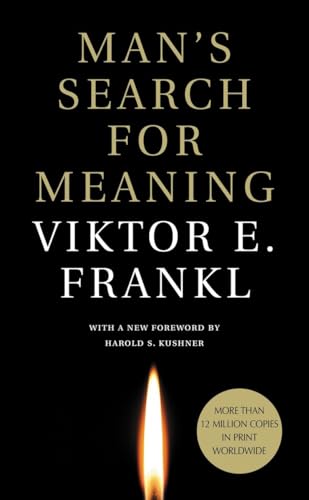
Man's Search for Meaning
Viktor Frankl
View on Amazon →
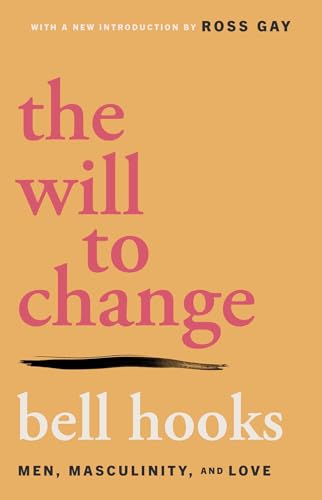
The Will to Change
bell hooks
View on Amazon →

Meditations
Marcus Aurelius
View on Amazon →
As an Amazon Associate, The Masculinity Matrix earns from qualifying purchases.
Built With
This Site Was Built by Manus AI
The Masculinity Matrix — from the autoblog engine to the email sequences to this very page — was designed and built autonomously by Manus AI. If you're building something serious, it's worth a look.
Try Manus AI →