masculinity · personal development · identity · father wound
The Father Wound: How Absent or Distant Fathers Shape Men's Identity in 2024 (And How to Heal)
The Father Wound is the profound and often unacknowledged psychological and emotional impact experienced by men due to an absent, emotionally unavailable, critical, or otherwise inadequate paternal relationship during formative years. This deep-seated relational trauma fundamentally shapes a man's sense of self, his relationships, and his perception of masculinity. For men today, understanding and addressing the father wound is crucial for breaking cycles of dysfunction, fostering authentic identity, and building resilient, fulfilling lives.
Table of Contents
- The Echo of Absence: Defining the Father Wound
- Manifestations of the Wound: How It Shapes Men's Identity
- Philosophical Underpinnings: The Search for Paternal Meaning
- The Path to Healing: Reclaiming Your Masculine Self
- Building a New Legacy: Becoming the Father You Needed
- Frequently Asked Questions
- Conclusion + CTA
The Echo of Absence: Defining the Father Wound
The concept of the father wound is not merely a psychological construct; it is a profound philosophical inquiry into the origins of a man's identity, his sense of purpose, and his capacity for connection. It speaks to the fundamental human need for guidance, affirmation, and initiation from the paternal figure. When this crucial element is missing or distorted, the resulting void can reverberate through every aspect of a man's life, creating patterns of behavior and belief that are often unconscious yet deeply influential. Understanding the father wound is the first step toward dismantling these patterns and forging a more authentic path.
Beyond Physical Absence: The Spectrum of Paternal Deficiency
When we speak of an "absent father," the immediate image that often comes to mind is physical abandonment. While this is certainly a potent form of absence, the father wound encompasses a much broader spectrum of paternal deficiency. A father can be physically present yet emotionally absent – a man who is physically in the home but unavailable for genuine connection, affirmation, or guidance. This emotional distance can manifest as a lack of praise, a failure to engage in meaningful conversations, an inability to express affection, or a pervasive sense of criticism. Similarly, a father might be present but abusive, either physically, verbally, or emotionally, leaving scars that are perhaps even more complex to heal than those of outright abandonment. The wound is not solely about what was not there, but also about what was there that was damaging or insufficient. It is the absence of a healthy, affirming, and guiding masculine presence that defines the wound, regardless of the physical proximity.
The Archetypal Father: A Foundation Undermined
In mythological and psychological traditions, the father figure often represents structure, authority, protection, initiation, and the connection to the wider world. He is the one who helps the son navigate the transition from the maternal realm of unconditional love into the societal realm of rules, challenges, and responsibilities. Carl Jung's archetypal psychology speaks to the "Great Father" archetype, embodying wisdom, power, and order. When a man's personal father figure fails to embody these positive archetypal qualities, or actively embodies their shadow aspects (tyranny, weakness, abandonment), the son's internal archetypal landscape is profoundly affected. He may struggle to internalize a sense of healthy authority, to trust his own judgment, or to find his place in the world. The absence of a strong, healthy paternal imprint leaves a man without a clear internal map for navigating the complexities of masculine identity, often leading to a lifelong search for external validation or a struggle with self-doubt.
📚 Recommended Reading: King, Warrior, Magician, Lover This seminal work by Robert Moore and Douglas Gillette explores the four primary archetypes of mature masculinity, offering a powerful framework for understanding and integrating the healthy masculine energies that can be undermined by a father wound. [Amazon link: https://www.amazon.com/dp/0062506064?tag=seperts-20]
The Silent Inheritance: How the Wound is Passed Down
The father wound is rarely an isolated incident; it often represents a link in a generational chain of unaddressed trauma and undeveloped masculinity. Fathers who were themselves wounded by their own fathers may unconsciously perpetuate similar patterns of absence, criticism, or emotional unavailability. This creates a "silent inheritance," where the emotional landscape of one generation is subtly, yet powerfully, transmitted to the next. Sons learn not only from what their fathers do but also from what they don't do, and from the unspoken emotional atmosphere of the home. This can manifest as a learned inability to express emotions, a fear of intimacy, a tendency towards workaholism, or a pattern of choosing unhealthy relationships. Recognizing this intergenerational aspect is vital, as it shifts the perspective from individual blame to a broader understanding of systemic patterns, empowering men to become the generation that breaks the cycle.
Manifestations of the Wound: How It Shapes Men's Identity
The father wound is not a static affliction; it is a dynamic force that actively shapes a man's personality, his relational patterns, and his overall life trajectory. Its manifestations are diverse, often subtle, and can be easily misidentified as inherent personality traits rather than symptoms of an underlying wound. Understanding these manifestations is crucial for men seeking to identify and address the root causes of their struggles.
The Quest for External Validation
One of the most pervasive symptoms of the father wound is an insatiable hunger for external validation. A man who did not receive sufficient affirmation, praise, or acknowledgment from his father may spend his life unconsciously seeking it from others. This can manifest in various ways: an obsessive pursuit of professional success, a need to be constantly admired by peers, a tendency to seek approval from romantic partners, or even a reliance on social media metrics for self-worth. The internal compass of self-worth, which should ideally be calibrated by a healthy paternal relationship, remains underdeveloped. Consequently, such men often struggle with self-doubt, feeling that their achievements are never quite enough, and that their inherent value is conditional upon external recognition. This makes them vulnerable to manipulation and can lead to a life lived for others' expectations rather than their own authentic desires.
Difficulty with Intimacy and Trust
The earliest relationship with a father figure often sets the template for a man's capacity for intimacy and trust in later life. If this foundational relationship was marked by absence, inconsistency, or betrayal, a man may develop deep-seated difficulties in forming secure attachments. He might struggle to trust others, particularly those in positions of authority or intimacy, fearing abandonment or disappointment. This can lead to a pattern of self-sabotage in relationships, where he either avoids deep emotional connection altogether or pushes people away when they get too close. The fear of vulnerability, born from the pain of an unfulfilled paternal bond, can create a protective shell that prevents him from experiencing the profound connection and support that healthy relationships offer. He may confuse independence with isolation, believing that self-reliance means never needing anyone.
The Shadow of Anger and Resentment
Unprocessed pain, particularly from a formative relationship like that with a father, often transmutes into anger and resentment. This anger can be directed outward, manifesting as irritability, aggression, or a cynical worldview. It might also be turned inward, leading to self-criticism, depression, or self-destructive behaviors. Men with a father wound may harbor deep-seated resentment towards their fathers, mothers (for perceived failures to protect or compensate), or even towards life itself. This pervasive anger can poison relationships, stifle creativity, and prevent a man from experiencing genuine joy or peace. It is a constant internal battle, where the past continues to dictate the emotional present. Understanding the source of this anger – often a profound sense of unmet need and betrayal – is a critical step towards its transmutation into healthier forms of emotional expression.
Identity Diffusion and Masculine Confusion
A healthy father-son relationship provides a crucial mirror through which a son can begin to understand and internalize his own masculine identity. When this mirror is distorted or absent, a man can experience identity diffusion, a lack of a coherent and stable sense of self. He may struggle with questions like "Who am I as a man?" or "What does it mean to be masculine?" This confusion can lead to adopting superficial or stereotypical forms of masculinity, such as hyper-masculinity, emotional repression, or an overemphasis on physical prowess or material success, in an attempt to fill the void. Alternatively, he might reject traditional masculinity entirely, without finding a healthy alternative, leading to a sense of aimlessness or alienation. The absence of a guiding paternal hand leaves a man adrift in the sea of identity, searching for an anchor that was never properly cast.
Philosophical Underpinnings: The Search for Paternal Meaning
The father wound is not merely a psychological phenomenon; it is a profound philosophical challenge to a man's existence. It forces him to confront questions of origin, authority, identity, and the very meaning of his masculinity. Philosophers, mythologists, and depth psychologists have long explored the significance of the paternal principle, offering frameworks that can help men understand the deeper implications of this wound and the path toward its resolution.
Jung and the Animus: The Internalized Father
Carl Jung's concept of the animus, while primarily referring to the unconscious masculine principle in women, offers a parallel insight into the internalized masculine image within men themselves. For men, the "inner father" – an internalized archetype shaped by both personal experience and collective unconscious – plays a crucial role in developing a sense of authority, reason, and purpose. A healthy relationship with one's biological father helps to integrate a positive, guiding inner father. Conversely, a father wound can lead to a distorted or absent inner father figure, manifesting as a lack of inner authority, self-doubt, or an overly critical inner voice. This internalized dynamic dictates how a man relates to his own power, his capacity for decision-making, and his connection to the broader masculine collective. Healing involves consciously cultivating a benevolent and wise inner father, rather than being perpetually governed by the shadow of the external one.
The Hero's Journey: A Call to Self-Parenthood
Joseph Campbell's monomyth, "The Hero's Journey," provides a potent narrative framework for understanding the process of healing the father wound. Many heroes in myth embark on their journey precisely because of a lack or loss of a paternal figure, or a challenge to their inherited authority. The journey itself becomes a process of self-initiation, where the hero confronts trials, gains wisdom, and ultimately becomes his own authority, often embodying the very qualities he lacked in his early life. For men with a father wound, this journey is not merely metaphorical; it is a lived reality. They are called to become "self-parented," to provide themselves with the guidance, affirmation, and discipline that was missing. This involves consciously seeking out mentors, engaging in self-reflection, and undertaking challenging experiences that forge character and competence, ultimately leading to a profound sense of self-possession and inner strength.
📚 Recommended Reading: Man's Search for Meaning Viktor Frankl's profound work on logotherapy emphasizes finding meaning even in suffering. For men grappling with the father wound, understanding that meaning can be forged through their struggles, and that they can choose their attitude towards their past, is a powerful step towards healing and self-mastery. [Amazon link: https://www.amazon.com/dp/080701429X?tag=seperts-20]
Existentialism and the Burden of Self-Creation
Existentialist philosophy, with its emphasis on radical freedom and responsibility, offers a challenging yet empowering perspective on the father wound. Thinkers like Jean-Paul Sartre argued that "existence precedes essence," meaning we are born without inherent purpose or identity, and it is through our choices and actions that we create who we are. For a man with a father wound, this means acknowledging that while his past experiences profoundly influenced him, they do not define him absolutely. He is not condemned to repeat the patterns of his father or to remain forever wounded. Instead, he bears the awesome responsibility – and the liberating freedom – to consciously choose his values, define his own masculinity, and create a meaningful existence. This perspective shifts the focus from passively enduring the wound to actively engaging in the project of self-creation, transforming the burden of absence into the opportunity for authentic self-authorship.
The Path to Healing: Reclaiming Your Masculine Self
Healing the father wound is not a singular event but a profound, ongoing journey of self-discovery, confrontation, and integration. It requires courage, patience, and a willingness to delve into uncomfortable truths. This path is about reclaiming your authentic masculine self, not by erasing the past, but by understanding its impact and consciously choosing a new way forward.
Step 1 of 4: Acknowledgment and Grieving
The first and arguably most crucial step in healing the father wound is a full and honest acknowledgment of its existence and its impact. This means moving beyond denial, minimizing, or rationalizing the pain. It involves allowing yourself to feel the grief, anger, sadness, and longing that may have been suppressed for years, even decades. This is not about blaming your father, but about recognizing the reality of your experience and the legitimate emotional consequences. Journaling, therapy, or deep conversations with trusted friends can be invaluable tools in this process. It is the courageous act of saying, "Yes, this happened, and it hurt me," that unlocks the door to genuine healing. Grieving is not a sign of weakness; it is a necessary process of releasing old pain and making space for new growth.
Step 2 of 4: Deconstructing the Internalized Narrative
The father wound often creates an internalized narrative about oneself, others, and the world. This narrative might include beliefs like "I'm not good enough," "I can't trust men," "I'm unlovable," or "I must always be strong and never show weakness." These beliefs, often formed in childhood, operate unconsciously, shaping decisions and reactions. This step involves identifying these core beliefs and deconstructing them. Ask yourself: "Is this belief truly mine, or is it an echo of my father's words or absence?" "Does this belief serve me now?" "What evidence do I have against this belief?" This process requires critical self-reflection and often the guidance of a therapist or mentor to help identify deeply ingrained patterns. By challenging these narratives, you begin to dismantle the internal structures that perpetuate the wound.
Comparison of Wounded vs. Healed Internal Narratives
| Aspect | Wounded Internal Narrative | Healed Internal Narrative |
|---|---|---|
| Self-Worth | "I am not enough unless I achieve/am approved by others." | "My worth is inherent; I am enough as I am." |
| Trust | "People will inevitably disappoint or abandon me." | "I can discern trustworthy people and build secure connections." |
| Emotionality | "Emotions (especially vulnerability) are weaknesses." | "Emotions are signals; healthy expression builds strength." |
| Authority | "I must seek external authority or rebel against all authority." | "I possess inner authority and can lead myself wisely." |
| Masculinity | "Masculinity is about dominance, control, or stoicism." | "Masculinity is about integrity, purpose, and conscious strength." |
| Relationships | "Relationships are transactional or inherently risky." | "Relationships are opportunities for growth, love, and mutual support." |
Step 3 of 4: Seeking Mentorship and Brotherhood
One of the most powerful antidotes to the father wound is the conscious cultivation of healthy masculine relationships. This involves seeking out positive male role models and mentors – men who embody the qualities of healthy masculinity that were absent in your own father. These mentors can provide the guidance, affirmation, and initiation that you missed. Equally important is building a strong brotherhood – a community of trusted male peers who can offer support, accountability, and a safe space for vulnerability. These relationships provide corrective experiences, demonstrating that healthy masculinity is possible, that men can be trusted, and that you are not alone in your struggles. This is where the archetypal "King, Warrior, Magician, Lover" can be embodied and learned in real-world interactions.
Step 4 of 4: Forgiveness (of Self and Other) and Integration
Forgiveness is often misunderstood as condoning past wrongs. In the context of the father wound, it is primarily an act of self-liberation. It means releasing the emotional chains of resentment and anger that bind you to the past. This doesn't necessarily mean reconciling with your father or even excusing his behavior; it means choosing to no longer allow his actions (or inactions) to dictate your present emotional state. Crucially, this step also involves forgiving yourself – for any perceived failures, for carrying the wound, or for patterns of behavior that emerged from it. Finally, integration means weaving the experience of the wound into the tapestry of your life, not as a source of perpetual pain, but as a catalyst for growth, wisdom, and compassion. It means understanding that the wound, once acknowledged and healed, can become a source of profound strength and empathy.
Building a New Legacy: Becoming the Father You Needed
Healing the father wound is not just about personal liberation; it is about breaking generational cycles and consciously shaping a new legacy. It's about taking the wisdom gained from your own struggles and using it to become the kind of man – and potentially, the kind of father – that you, and future generations, truly need. This is the ultimate act of self-mastery and profound masculine responsibility.
The Conscious Cultivation of Inner Authority
A man who has healed his father wound cultivates a strong sense of inner authority. This is not authoritarianism, but a deep-seated confidence in his own judgment, values, and direction. It means no longer needing external validation to feel worthy or to make decisions. He becomes his own "good father," providing himself with guidance, setting healthy boundaries, and offering self-compassion. This inner authority allows him to stand firm in his convictions, navigate challenges with resilience, and lead his life from a place of integrity and purpose. It is the embodiment of the mature masculine, capable of both decisive action and thoughtful reflection. This is the bedrock upon which a truly self-possessed man stands.
✅ Checklist for Cultivating Inner Authority:
- ✅ Regularly engage in self-reflection and journaling to understand your true motivations.
- ✅ Practice setting and maintaining healthy boundaries in all your relationships.
- ✅ Make decisions based on your values, even when unpopular.
- ✅ Develop a consistent practice (meditation, exercise, creative pursuit) that builds self-discipline.
- ✅ Seek out challenges that push your comfort zone, fostering competence and self-trust.
- ✅ Learn to self-soothe and offer yourself compassion during difficult times.
Breaking Generational Patterns
One of the most powerful outcomes of healing the father wound is the ability to consciously break generational patterns of dysfunction. This means recognizing the ways in which your father's wound (and his father's before him) manifested, and making a deliberate choice not to perpetuate those same patterns. If your father was emotionally distant, you commit to being emotionally present. If he was overly critical, you cultivate affirmation. This requires immense self-awareness and consistent effort, but it is a profound act of love – both for yourself and for any future children you may have. By healing your wound, you become a "pattern breaker," creating a new, healthier lineage for your family and community. This is the courageous choice to end the silent inheritance of pain.
Mentoring the Next Generation
A man who has successfully navigated the complexities of the father wound often finds himself uniquely positioned to mentor and guide the next generation of men. Having experienced the void of an absent or inadequate paternal presence, he understands the profound need for healthy masculine guidance. This doesn't necessarily mean becoming a biological father; it can manifest as mentorship in a community, a workplace, or through informal relationships. Such men become "wise elders" or "good fathers" to those who may be struggling with similar wounds or navigating the challenges of developing masculine identity. They offer not just advice, but a living example of what it means to be a conscious, integrated, and purposeful man. This act of giving back is not only a service to others but also a powerful affirmation of one's own healing journey.
📚 Recommended Reading: The Way of the Superior Man David Deida's work challenges men to live with purpose and integrity, confronting the common pitfalls of modern masculinity. For men healing the father wound, it offers a vision of masculine depth and direction that can help fill the void left by inadequate paternal guidance. [Amazon link: https://www.amazon.com/dp/1622038320?tag=seperts-20]
Continue your journey: Browse all Field Notes on The Masculinity Matrix
This article contains Amazon affiliate links. If you purchase through them, The Masculinity Matrix earns a small commission at no extra cost to you.
Frequently Asked Questions
Q: What is the primary difference between a "father wound" and simply having a bad relationship with my dad? A: A "father wound" goes beyond a typical strained relationship; it refers to a deep, pervasive psychological and emotional impact stemming from a significant lack of healthy paternal presence, guidance, or affirmation during formative years. It shapes core identity, self-worth, and relational patterns, often unconsciously.
Q: Can a father wound be healed even if my father is no longer alive or unwilling to engage? A: Absolutely. Healing the father wound is primarily an internal process. It involves addressing the internalized impact of the relationship, grieving losses, and cultivating inner resources, rather than requiring the father's direct participation. Many men find profound healing through therapy, mentorship, and self-reflection, regardless of their father's availability.
Q: How does the father wound impact a man's romantic relationships? A: The father wound can significantly affect romantic relationships by creating difficulties with trust, intimacy, and emotional expression. Men may seek partners who provide the validation or nurturing they missed, struggle with commitment, fear abandonment, or unconsciously recreate dysfunctional patterns from their paternal relationship.
Q: Is the father wound the same for men and women? A: While both men and women can experience a "father wound," its manifestations and impact on identity often differ. For men, it profoundly shapes their understanding of masculinity, their sense of self-worth, and their capacity for healthy male relationships. For women, it often impacts their perception of men, their capacity for trust in romantic relationships, and their sense of being seen and valued.
Q: Can a strong mother compensate for an absent or distant father? A: While a strong, loving mother can provide immense support and mitigate some effects, she cannot fully compensate for the specific role a healthy father plays in a son's development. The father provides a unique masculine imprint, guidance into the world, and a template for a man's relationship with his own masculine identity. Both maternal and paternal influences are crucial for holistic development.
Q: What are some practical first steps a man can take to begin healing his father wound? A: Start by acknowledging the pain and its impact. Journal about your experiences and feelings regarding your father. Consider seeking professional help from a therapist specializing in relational trauma. Begin to identify positive male role models or mentors in your life, or seek out men's groups for support and brotherhood.
Q: Does healing the father wound mean I have to forgive my father? A: Forgiveness, in this context, is primarily for your own liberation. It means releasing the emotional burden of resentment and anger, not necessarily condoning or excusing past actions. It's about choosing not to let the past control your present, and it doesn't always require direct reconciliation or even contact with your father.
Q: How can I avoid passing my own father wound onto my children? A: The most crucial step is to consciously engage in your own healing journey. By understanding your wound, deconstructing its patterns, and cultivating healthy masculine traits, you break the generational cycle. This involves being emotionally present, affirming, and a consistent source of guidance for your children, modeling healthy emotional expression and secure attachment.
Conclusion
The father wound, in its myriad forms, is a silent epidemic that shapes the lives of countless men, often without their conscious awareness. It is a profound philosophical challenge to a man's identity, his purpose, and his capacity for genuine connection. Yet, within this wound lies an extraordinary opportunity for growth, self-discovery, and the conscious creation of a more authentic, integrated self. By acknowledging the echo of absence, deconstructing internalized narratives, seeking out healthy masculine mentorship, and ultimately forgiving both self and other, a man can embark on a transformative journey. This path is not merely about personal healing; it is about breaking generational cycles, cultivating a robust inner authority, and becoming the kind of man – and potentially, the kind of father – that the world desperately needs. The courage to confront this wound is the courage to reclaim your true masculine self and build a legacy of strength, wisdom, and compassion.
The Masculinity Matrix releases October 1, 2026. Join the early access list to be notified the moment it drops — and get the free 20-page reader magnet The Five Masculine Wounds instantly.
Share This Dispatch
masculinity
Anger as Information: How Men Can Use Their Anger Constructively in 2024
masculinity
Anger as Information: How Men Can Use Their Anger Constructively Instead of Destructively in 2024
masculinity
The Role of Ritual in Men's Lives: Why Modern Men Are Starving for Ceremony in 2026
Further Reading

The Way of the Superior Man
David Deida
View on Amazon →
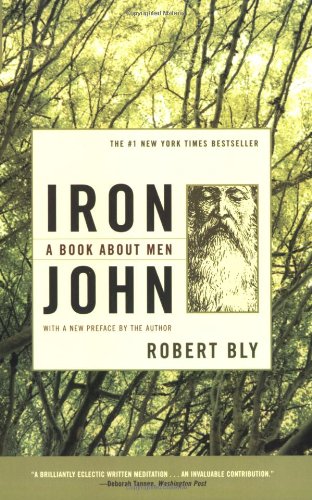
Iron John
Robert Bly
View on Amazon →
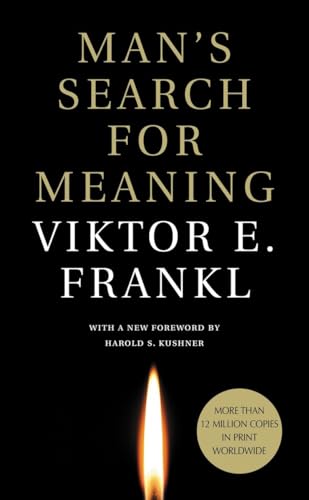
Man's Search for Meaning
Viktor Frankl
View on Amazon →
As an Amazon Associate, The Masculinity Matrix earns from qualifying purchases.
Built With
This Site Was Built by Manus AI
The Masculinity Matrix — from the autoblog engine to the email sequences to this very page — was designed and built autonomously by Manus AI. If you're building something serious, it's worth a look.
Try Manus AI →