masculinity · personal development
The Role of Ritual in Men's Lives: Why Modern Men Are Starving for Ceremony in 2024
C. V. WoosterApril 2, 202624 min read
*This article contains Amazon affiliate links. If you purchase through them, The Masculinity Matrix earns a small commission at no extra cost to you.*
# The Role of Ritual in Men's Lives: Why Modern Men Are Starving for Ceremony in 2024
**The role of ritual in men's lives is to provide structure, meaning, and a pathway for psychological and social transition, anchoring identity in shared experience and timeless archetypes.** Modern men are starving for ceremony because contemporary society has largely abandoned these ancient rites, leaving a void where initiation, belonging, and purposeful action once stood, leading to widespread feelings of isolation, aimlessness, and a lack of clear masculine identity.
## Table of Contents
1. [The Erosion of Sacred Space: A Modern Crisis of Meaning](#the-erosion-of-sacred-space-a-modern-crisis-of-meaning)
2. [Defining Ritual: Beyond Superstition to Psychological Necessity](#defining-ritual-beyond-superstition-to-psychological-necessity)
3. [The Archetypal Call: Why Men Crave Structure and Initiation](#the-archetypal-call-why-men-crave-structure-and-initiation)
4. [Reclaiming Personal Power: Crafting Modern Masculine Rituals](#reclaiming-personal-power-crafting-modern-masculine-rituals)
5. [Ritual as a Bridge: Connecting the Inner and Outer Worlds](#ritual-as-a-bridge-connecting-the-inner-and-outer-worlds)
6. [The Collective Imperative: Building Communities of Shared Purpose](#the-collective-imperative-building-communities-of-shared-purpose)
7. [The Future of Masculine Identity: A Call to Re-Enchantment](#the-future-of-masculine-identity-a-call-to-re-enchantment)
## The Erosion of Sacred Space: A Modern Crisis of Meaning
In an increasingly secularized and individualized world, the sacred spaces and communal practices that once defined human experience have largely evaporated. For men, this erosion has been particularly acute, leaving many adrift in a sea of endless choices and undefined expectations. The absence of clear rites of passage, communal gatherings, and symbolic actions has created a profound spiritual and psychological hunger. This isn't merely a nostalgic yearning for a bygone era; it's a deep-seated need for meaning, structure, and belonging that is fundamental to the male psyche. Without these anchors, men often struggle to navigate the complex transitions of life, from boyhood to manhood, from single life to partnership, from career inception to elder wisdom. The modern landscape, with its emphasis on individual achievement and instant gratification, offers little in the way of symbolic guidance or collective affirmation, contributing to a crisis of masculine identity.
### The Disappearance of Rites of Passage
Historically, every culture had formalized rites of passage that marked a boy's transition into manhood. These ceremonies, often arduous and symbolic, served to separate the initiate from his childhood, test his courage and resilience, and integrate him into the community of men. They provided a clear blueprint for what it meant to be a man, imparting wisdom, responsibility, and a sense of belonging. Today, these rites are largely absent in Western societies. Instead, boys often drift into adulthood without a clear demarcation, leaving them uncertain of their status and responsibilities. This lack of formal initiation contributes to prolonged adolescence, identity confusion, and a pervasive sense of being unmoored. The journey from boy to man is no longer a communal affirmation but a solitary, often confusing, endeavor.
### The Vacuum of Meaning in Secular Society
As religious and traditional institutions have waned in influence, so too has their role in providing overarching narratives and symbolic frameworks for life. While this shift has brought about certain freedoms, it has also left a vacuum where meaning once resided. For men, who often seek purpose and direction, this void can be particularly disorienting. Rituals, even secular ones, offer a way to imbue ordinary actions with extraordinary significance, connecting individuals to something larger than themselves. Without these shared symbolic acts, life can feel fragmented, arbitrary, and devoid of deeper purpose. The search for meaning often devolves into consumerism or fleeting pleasures, which ultimately fail to satisfy the soul's deeper yearning for connection and transcendence.
### The Burden of Individualism
Modern society champions individualism, celebrating self-reliance and personal achievement. While these traits have their merits, extreme individualism can lead to profound isolation. Men, in particular, are often socialized to be stoic and self-sufficient, making it difficult for them to seek help or express vulnerability. Rituals, by their very nature, are communal. They bind individuals together through shared experience, creating a sense of solidarity and mutual support. The absence of such collective practices exacerbates the loneliness many men feel, leaving them without the vital social and emotional scaffolding necessary for healthy development. The burden of navigating life's challenges alone, without the symbolic reinforcement of community, can be crushing.
## Defining Ritual: Beyond Superstition to Psychological Necessity
To understand why modern men are starving for ceremony, we must first properly define what ritual truly is. It is not merely superstition or an outdated religious practice. At its core, ritual is a formalized, symbolic action or sequence of actions, often performed in a specific context, that carries deep psychological and social significance. It is a language of the soul, communicating truths and facilitating transitions that words alone cannot. Rituals bridge the gap between the mundane and the sacred, the conscious and the unconscious, the individual and the collective. They provide a container for intense emotions, mark significant life events, and reinforce cultural values. For men, who are often encouraged to suppress emotion and prioritize logic, ritual offers a vital outlet for expression and a structured pathway for processing complex internal states.
### The Structure and Symbolism of Ritual
Every effective ritual, whether ancient or modern, possesses a discernible structure and employs potent symbolism. The structure provides a predictable framework, allowing participants to surrender to the experience, while the symbolism imbues the actions with deeper meaning. A ritual might involve specific gestures, words, objects, or even a particular sequence of events that metaphorically represent an internal or external transformation. For example, a warrior's initiation might involve a symbolic death and rebirth, or a commitment ceremony might use rings to symbolize eternal union. These symbolic acts bypass the rational mind, speaking directly to the unconscious, imprinting lessons and fostering profound shifts in identity. Without such structured symbolism, significant life events often pass by unacknowledged, their transformative potential unrealized.
### Ritual as a Psychological Container
Life is full of transitions, challenges, and emotional upheavals. Without proper containers to hold and process these experiences, they can become overwhelming, leading to anxiety, depression, or a sense of being lost. Rituals serve as powerful psychological containers, providing a safe and structured space for individuals to confront difficult truths, grieve losses, celebrate successes, and integrate new identities. For men, who are often conditioned to "tough it out" or suppress their feelings, rituals offer a sanctioned way to engage with their inner world. Whether it's a moment of quiet reflection before a major decision or a communal gathering to mourn a loss, the ritual provides a framework for emotional processing and psychological integration, preventing unaddressed feelings from festering.
---
**📚 Recommended Reading:** *Iron John* by Robert Bly
Bly's seminal work delves into the mythopoetic understanding of masculinity, exploring the need for men to reconnect with the "wild man" within through myth, poetry, and ritual, offering profound insights into the psychological hunger for initiation.
[Amazon link: https://www.amazon.com/dp/0306813769?tag=seperts-20]
---
### The Transformative Power of Liminality
A key element of many rituals is the concept of liminality – a transitional state, a "threshold" between one stage of being and another. During this liminal phase, old identities are shed, and new ones are not yet fully formed. It's a period of uncertainty, discomfort, and often intense self-reflection. Rituals guide individuals through this chaotic but fertile space, providing a roadmap for transformation. Without structured liminal experiences, men can get stuck between stages, unable to fully leave behind old ways of being or fully embrace new responsibilities. The lack of culturally sanctioned liminal experiences means that many men are left to navigate these crucial transitions alone, often with less than ideal outcomes, perpetuating a state of perpetual adolescence or unfulfilled potential.
## The Archetypal Call: Why Men Crave Structure and Initiation
The hunger for ritual in men is not merely a cultural phenomenon; it taps into deep-seated archetypal patterns within the collective unconscious, as explored by thinkers like Carl Jung and Robert Moore. Men, by their very nature, are often drawn to structure, purpose, and a clear path forward. Rituals provide this clarity, offering a framework through which to understand their place in the world and their journey through life. The archetypes of the King, Warrior, Magician, and Lover, as described in *King, Warrior, Magician, Lover*, represent fundamental energies within the male psyche that seek expression and integration. Rituals provide the symbolic language and structured experiences necessary to awaken, develop, and balance these archetypal forces, guiding men towards mature masculinity.
### The Warrior's Path: Discipline and Purpose
The Warrior archetype embodies discipline, courage, and the capacity for decisive action in the service of a higher purpose. Modern life, with its comforts and lack of clear external threats, often leaves this archetypal energy undirected or misdirected. Rituals, whether they involve physical challenges, periods of intense focus, or symbolic acts of commitment, provide a healthy outlet for the Warrior's need for structure and purpose. They teach men to harness their aggression, channel their energy, and stand firm in their convictions. Without such outlets, the Warrior energy can become destructive, manifesting as aimlessness, addiction, or an inability to commit. Rituals offer a way to cultivate the positive aspects of the Warrior: integrity, self-mastery, and the courage to face life's battles.
### The King's Domain: Responsibility and Order
The King archetype represents the mature masculine principle of order, responsibility, and benevolent leadership. He is the protector, the provider, and the one who brings stability to his realm. Rituals that involve taking on new responsibilities, making public vows, or committing to a community can help men step into this archetypal role. They teach the importance of stewardship, the weight of decision-making, and the wisdom required to govern oneself and one's domain. In a world that often demonizes male authority or leaves men feeling disempowered, rituals can reaffirm the positive aspects of the King archetype, guiding men to become responsible leaders in their own lives, families, and communities. The absence of such initiations can leave men feeling like eternal subjects, rather than sovereign individuals.
### The Magician's Insight: Knowledge and Transformation
The Magician archetype represents the pursuit of knowledge, the understanding of hidden forces, and the capacity for transformation. Rituals, particularly those involving contemplation, study, or symbolic acts of inner work, can awaken this archetypal energy. They encourage men to delve deeper into themselves, to seek wisdom, and to understand the underlying patterns of existence. In a world saturated with superficial information, the Magician's call for profound insight is more crucial than ever. Rituals provide a structured path for introspection and self-discovery, helping men to develop their intuition, hone their critical thinking, and master their inner world. Without this archetypal engagement, men can remain trapped in superficiality, unable to access their deeper potential for wisdom and insight.
### The Lover's Connection: Passion and Empathy
The Lover archetype embodies passion, connection, and the capacity for deep emotional engagement. This archetype is not limited to romantic love but extends to a love of life, beauty, and humanity. Rituals that involve creative expression, communal celebration, or acts of service can help men connect with their Lover energy. They teach men to open their hearts, to appreciate beauty, and to forge meaningful bonds with others. In a culture that often equates masculinity with emotional detachment, rituals offer a vital pathway for men to cultivate empathy, vulnerability, and genuine connection. Without such practices, the Lover energy can become distorted, leading to isolation, cynicism, or a superficial pursuit of pleasure. Rituals help men to embrace the full spectrum of human emotion and to connect authentically with the world around them.
## Reclaiming Personal Power: Crafting Modern Masculine Rituals
Given the profound void left by the absence of traditional ceremonies, modern men are faced with the imperative to consciously reclaim and craft rituals that resonate with their contemporary lives while still tapping into timeless archetypal energies. This isn't about blindly mimicking ancient practices but about understanding the underlying principles of ritual and applying them in meaningful ways. Reclaiming personal power through ritual involves intentionality, consistency, and a willingness to imbue everyday actions with sacred significance. It's about taking ownership of one's journey and actively shaping the narrative of one's life. The Masculinity Matrix emphasizes that true power comes from self-awareness and deliberate action, and ritual is a potent tool in this endeavor.
### Step 1 of 4: Identify Your Core Needs and Transitions
The first step in crafting personal rituals is to honestly assess your current life stage, identify any significant transitions you are undergoing or anticipate, and pinpoint areas where you feel a lack of meaning or structure. Are you moving from one career to another? Entering a new relationship phase? Grieving a loss? Seeking greater self-discipline? Each of these scenarios presents an opportunity for ritual. Reflect on what aspects of your masculine identity feel underdeveloped or unacknowledged. This introspection forms the foundation for creating rituals that are genuinely relevant and impactful for *you*. Without this self-awareness, any ritual will feel hollow or performative.
### Step 2 of 4: Define Your Intent and Symbolism
Once you've identified your needs, clearly articulate the intention of your ritual. What transformation do you seek? What message are you trying to convey to yourself or the universe? Next, choose symbols that resonate deeply with this intention. These could be objects, actions, words, or even specific locations. For example, if you're seeking to shed old habits, a symbolic act of burning a written list might be powerful. If you're committing to a new goal, planting a seed or carving a mark could serve as a potent symbol. The more personal and meaningful the symbolism, the more profound the ritual's impact will be on your psyche.
### Step 3 of 4: Establish a Consistent Practice and Sacred Space
Consistency is key to transforming an action into a ritual. Whether it's a daily, weekly, or annual practice, regularity reinforces the ritual's power. Furthermore, designating a specific "sacred space" – even if it's just a quiet corner of your home or a particular spot in nature – helps to set the tone and signal to your mind that this is a time for intentionality. This space becomes imbued with the energy of your practice, making it easier to drop into a ritualistic mindset. It could be as simple as a morning meditation, a weekly journaling session, or an annual solo wilderness retreat. The act of returning to this space and practice reinforces its significance.
### Step 4 of 4: Reflect, Adapt, and Share (When Appropriate)
After performing your ritual, take time to reflect on the experience. What did you feel? What insights did you gain? How did it impact your perspective or actions? Rituals are not static; they evolve with you. Be open to adapting your practices as your needs change. While many personal rituals are private, consider sharing some aspects of your journey with trusted friends or mentors. Sharing can deepen the experience, foster connection, and even inspire others to embark on their own ritualistic paths. The act of articulating your experience can also solidify its meaning.
---
**📚 Recommended Reading:** *The Way of the Superior Man* by David Deida
Deida's provocative book challenges men to live with purpose and integrity, emphasizing the importance of conscious practice and presence in all aspects of life, which aligns perfectly with the intentionality required for personal ritual.
[Amazon link: https://www.amazon.com/dp/1622038320?tag=seperts-20]
---
## Ritual as a Bridge: Connecting the Inner and Outer Worlds
Rituals serve as powerful bridges, connecting a man's inner psychological landscape with his external actions and the wider world. This connection is vital for integration, ensuring that his values, beliefs, and intentions are aligned with his behavior. Without this bridge, men can experience a profound disconnect, leading to hypocrisy, self-sabotage, or a sense of inauthenticity. Rituals provide a tangible way to manifest internal commitments, solidify personal transformations, and communicate one's deepest truths to both oneself and others. They are not merely symbolic; they are performative, actively shaping reality by bringing the invisible into visible form. The Masculinity Matrix posits that a truly integrated man lives with coherence, and ritual is a cornerstone of this coherence.
### The Embodiment of Intention
One of the most potent aspects of ritual is its capacity for embodiment. It takes abstract intentions and translates them into physical actions, engaging the body as well as the mind and spirit. This embodiment deepens the commitment and makes the intention more real. For example, a man committing to greater self-discipline might perform a daily ritual of waking early and engaging in a challenging physical exercise. The physical act reinforces the mental resolve. This is particularly important for men, who are often encouraged to be action-oriented. Rituals provide a structured way to channel this drive into meaningful, self-affirming actions, rather than allowing it to dissipate into aimlessness or unproductive endeavors.
### Bridging the Conscious and Unconscious
Rituals operate on multiple levels, speaking not only to the conscious mind but also to the deeper, unconscious layers of the psyche. Through symbolism, repetition, and altered states of consciousness (even subtle ones induced by focused attention), rituals can access and reprogram unconscious patterns. They can help men to release old wounds, integrate fragmented parts of themselves, and align with their authentic self. This bridge between the conscious and unconscious is crucial for true personal growth. Without it, men might intellectually understand what they need to change but struggle to implement it in practice. Rituals provide a direct pathway to these deeper psychological currents, facilitating profound and lasting transformation.
### Rituals as Anchors in a Chaotic World
In a world characterized by rapid change, information overload, and constant distraction, rituals serve as vital anchors. They provide moments of stillness, focus, and predictability amidst the chaos. These regular practices create a sense of stability and continuity, reminding men of their core values and long-term goals. Whether it's a morning routine, a weekly check-in with a mentor, or an annual pilgrimage, these rituals offer a grounding presence. They help men to resist the pull of external pressures and to remain centered on their chosen path, fostering resilience and mental clarity. Without these anchors, men can easily become overwhelmed, losing their sense of direction and purpose.
## The Collective Imperative: Building Communities of Shared Purpose
While personal rituals are invaluable, the deepest hunger for ceremony in men often stems from a lack of collective ritual – shared experiences that bind men together in a common purpose and affirm their place within a community. Historically, men's groups, lodges, and communal gatherings played a crucial role in shaping male identity and fostering brotherhood. The decline of these institutions has left many men feeling isolated, competitive, and without a clear sense of collective belonging. Rebuilding communities of shared purpose through intentional, modern masculine rituals is not just beneficial; it is a collective imperative for the health of men and society as a whole.
### The Power of Shared Experience
There is a unique power in shared experience, especially when that experience is challenging, meaningful, or transformative. Collective rituals create bonds that transcend superficial acquaintance, forging a sense of brotherhood and mutual reliance. Whether it's a shared physical challenge, a group discussion on profound topics, or a communal act of service, these experiences build trust, empathy, and a sense of belonging. For men, who are often encouraged to be self-sufficient, these shared moments provide a vital opportunity to connect, support, and be supported by other men, fostering a sense of camaraderie that is often missing in modern life.
### Re-establishing Mentorship and Elder Wisdom
Traditional societies understood the critical role of elders in guiding younger men through the stages of life. Rituals often served as the vehicle for transmitting this intergenerational wisdom. Today, many young men lack positive male role models and access to elder wisdom, leaving them to navigate life's complexities without guidance. Collective rituals can help re-establish these mentorship pathways, creating spaces where experienced men can share their knowledge, insights, and life lessons with those who are coming up behind them. This exchange is mutually beneficial, providing guidance for the young and a sense of purpose and continued relevance for the elders.
### Case Study: The Men's Wilderness Retreat
**Case Study: John, 38, Corporate Manager** — Before/After
**Before:** John felt increasingly isolated despite his successful career. He had a supportive family but lacked deep, meaningful connections with other men. He often felt a pervasive sense of unfulfillment, a lack of purpose beyond work, and struggled with expressing his deeper emotions. He saw himself as a provider but felt disconnected from his own inner world and a broader sense of masculine identity. His social interactions with other men were largely superficial, revolving around sports or work.
**After:** John attended a 5-day men's wilderness retreat focused on ancient archetypes and modern challenges. The retreat involved shared physical challenges (hiking, fire-building), communal storytelling around a fire, facilitated deep discussions on masculinity, and solo periods of reflection in nature. Through these structured rituals, John experienced:
* **Deepened Connection:** He formed profound bonds with other men, sharing vulnerabilities and insights he had never expressed before.
* **Renewed Purpose:** The discussions and solo time helped him clarify his values and re-evaluate his life's direction beyond corporate success.
* **Emotional Release:** The safe, ritualized environment allowed him to process suppressed emotions and grieve past losses.
* **Sense of Belonging:** He felt initiated into a "band of brothers," a community of men committed to growth and mutual support.
John returned with a greater sense of peace, clarity, and a commitment to integrating these ritualistic practices into his daily life, including starting a local men's group.
### Checklist for Fostering Collective Rituals
✅ **Identify a shared purpose:** What brings these men together? Growth, service, challenge, learning?
✅ **Create a safe container:** Establish clear ground rules for respect, confidentiality, and vulnerability.
✅ **Incorporate symbolic actions:** Use shared meals, fire, nature, or specific objects to deepen meaning.
✅ **Encourage storytelling:** Provide space for men to share their journeys, struggles, and triumphs.
✅ **Integrate physical challenge:** Shared physical exertion can forge strong bonds and build resilience.
✅ **Facilitate intergenerational exchange:** Invite older, wiser men to share their experience.
✅ **Maintain consistency:** Regular meetings or annual events reinforce the collective bond.
✅ **Emphasize service:** Engage in acts of service to the community, channeling collective energy outwards.
## The Future of Masculine Identity: A Call to Re-Enchantment
The future of masculine identity hinges on a conscious re-enchantment of men's lives through the deliberate re-introduction of meaningful ritual and ceremony. This is not about retreating into an idealized past, but about extracting the timeless wisdom of ritual and applying it to the complexities of the 21st century. It's a call to move beyond superficiality and consumerism, to reclaim depth, purpose, and genuine connection. The Masculinity Matrix advocates for men to become architects of their own meaning, to actively seek out or create the ceremonial structures that will support their growth into integrated, purposeful, and resilient individuals. This re-enchantment is essential not only for individual men but for the health and vitality of society as a whole.
### The Integration of Shadow and Light
Rituals, particularly those of initiation, often involve confronting the "shadow" aspects of the self – the repressed, disowned parts of one's personality. For men, this can mean acknowledging fears, insecurities, and destructive impulses. By providing a safe and structured context for this confrontation, rituals facilitate the integration of shadow and light, leading to a more whole and authentic self. This process is crucial for developing mature masculinity, moving beyond simplistic notions of "good" or "bad" and embracing the full spectrum of human experience. Without this integration, men can remain fragmented, projecting their shadow onto others or falling prey to its destructive power.
### Cultivating Presence and Mindfulness
In an age of constant digital distraction, rituals offer a powerful antidote by demanding presence and mindfulness. Whether it's a moment of silent reflection, a focused physical practice, or a communal gathering, rituals draw men into the present moment, away from the incessant demands of the past or future. This cultivation of presence is fundamental to personal mastery and emotional regulation. It allows men to experience life more fully, to respond thoughtfully rather than react impulsively, and to connect more deeply with themselves and others. Rituals train the mind to focus, to be still, and to engage with intention, fostering a profound sense of inner peace and clarity.
---
**📚 Recommended Reading:** *Man's Search for Meaning* by Viktor Frankl
Frankl's profound account of finding meaning in the most extreme circumstances underscores the human need for purpose and responsibility, a core tenet that rituals help men to embody and live by.
[Amazon link: https://www.amazon.com/dp/080701429X?tag=seperts-20]
---
### The Legacy of Purpose: What Will We Leave Behind?
Ultimately, the re-introduction of ritual into men's lives is about building a legacy of purpose. It's about asking not just "What do I want to achieve?" but "What kind of man do I want to be, and what meaningful contributions will I make?" Rituals help men to clarify their values, commit to their principles, and live a life that is aligned with their deepest aspirations. They provide a framework for intentional living, ensuring that their actions are not merely reactive but purposeful. By embracing ritual, men can move beyond a life of passive consumption and become active creators of meaning, leaving behind a legacy that is rich in wisdom, integrity, and genuine contribution. This is the ultimate promise of re-enchanting the masculine journey.
## Frequently Asked Questions
**Q: What is the main reason modern men lack ritual?**
A: Modern men primarily lack ritual due to the decline of traditional institutions (religious, cultural, fraternal) that historically provided structured rites of passage and communal ceremonies. This, coupled with an emphasis on individualism and secularism, has left a void where meaning-making and identity formation once occurred through shared, symbolic practices.
**Q: How do rituals benefit men's mental health?**
A: Rituals benefit men's mental health by providing structure, meaning, and a safe container for emotional processing. They can reduce feelings of isolation, offer clear pathways for navigating life transitions, and help integrate difficult experiences, thereby fostering resilience, purpose, and a stronger sense of self.
**Q: Are modern rituals just "made-up" or less effective than ancient ones?**
A: While ancient rituals had the power of tradition and collective unconscious backing them, modern rituals can be equally effective if approached with intentionality, deep personal meaning, and consistency. The power of ritual lies in its symbolic action and psychological impact, which can be cultivated in contemporary contexts.
**Q: What's the difference between a habit and a ritual?**
A: A habit is an automatic action, often performed without conscious thought (e.g., brushing teeth). A ritual, while it can be habitual, is imbued with conscious intention, symbolism, and deeper meaning, transforming an ordinary action into a sacred or significant one (e.g., a morning meditation with specific intention).
**Q: Can a personal ritual be as powerful as a communal one?**
A: Yes, a personal ritual can be incredibly powerful for individual growth, self-awareness, and psychological integration. However, communal rituals offer the added benefits of shared experience, collective affirmation, and a sense of belonging, which address different, but equally important, human needs.
**Q: How can men find or create meaningful rituals today?**
A: Men can find or create meaningful rituals by first identifying their personal needs and life transitions. They can then research existing traditions, adapt them, or invent new practices that incorporate intentionality, powerful symbolism, and consistent practice, either individually or within a trusted group.
**Q: Why is the "Warrior" archetype particularly relevant to ritual?**
A: The Warrior archetype embodies discipline, courage, and purposeful action. Rituals provide a structured framework to channel this energy constructively, teaching men to master themselves, face challenges with integrity, and direct their drive towards meaningful goals, preventing its misdirection into destructive behaviors.
**Q: What role does nature play in masculine rituals?**
A: Nature often plays a crucial role in masculine rituals, serving as a powerful backdrop for introspection, challenge, and connection to something larger than oneself. Wilderness experiences, in particular, can strip away modern distractions, fostering resilience, self-reliance, and a profound sense of grounding.
## Conclusion + CTA
The modern world, for all its advancements, has inadvertently stripped men of vital ceremonial structures, leaving a profound hunger for meaning, belonging, and purposeful transition. The role of ritual in men's lives is not a relic of the past but a psychological necessity, a timeless pathway for cultivating mature masculinity. By understanding the archetypal call for structure and initiation, men can begin to consciously reclaim and craft rituals – both personal and collective – that bridge their inner worlds with their outer actions, fostering integration, resilience, and a profound sense of purpose. This re-enchantment of the masculine journey is not merely about individual well-being; it's about revitalizing the very fabric of society by empowering men to live lives of integrity, contribution, and authentic connection. The starvation for ceremony is a call to action, an invitation for men to become the architects of their own meaningful lives.
The Masculinity Matrix releases October 1, 2026. [Join the early access list](https://themasculinitymatrix.com/#newsletter) to be notified the moment it drops — and get the free 20-page reader magnet *The Five Masculine Wounds* instantly.
Share This Dispatch
Continue Reading
MM
masculinity
The Masculinity Spectrum: Navigating Beyond the False Choice of Toxic vs. Weak in 2024
Apr 2, 202624 min
MM
masculinity
Anger as Information: How Men Can Use Their Anger Constructively in 2024
Apr 2, 202628 min
MM
masculinity
How to Stop People-Pleasing in 2024 and Start Living on Your Own Terms
Apr 2, 202624 min
Further Reading
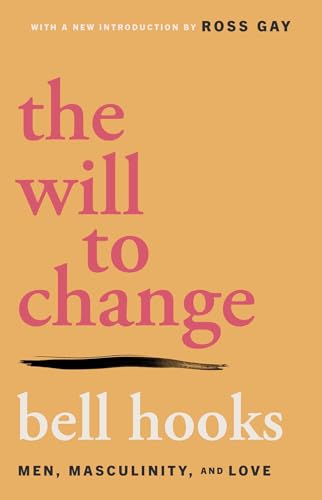
The Will to Change
bell hooks
View on Amazon →
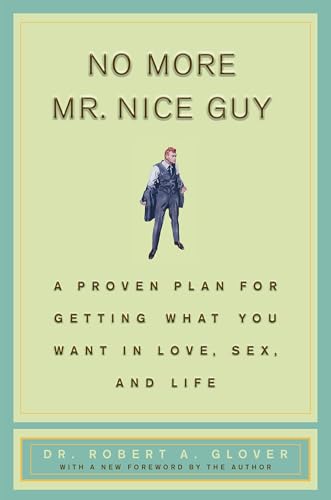
No More Mr. Nice Guy
Robert Glover
View on Amazon →

Meditations
Marcus Aurelius
View on Amazon →
As an Amazon Associate, The Masculinity Matrix earns from qualifying purchases.
Built With
This Site Was Built by Manus AI
The Masculinity Matrix — from the autoblog engine to the email sequences to this very page — was designed and built autonomously by Manus AI. If you're building something serious, it's worth a look.
Try Manus AI →