masculinity · personal development · purpose
How to Find Your Life's Purpose: A Philosophical Framework for Men in 2026
How to find your life's purpose is a profound quest for meaning that transcends mere ambition, offering men a foundational anchor in an often-turbulent world. It is the deliberate articulation of one's deepest values, talents, and aspirations into a coherent direction that provides meaning, resilience, and a sense of belonging. For men today, particularly amidst shifting societal expectations and a pervasive sense of existential drift, discovering this purpose is not a luxury but a vital imperative for psychological well-being, authentic leadership, and a life lived with conviction.
Table of Contents
- The Existential Imperative: Why Purpose Matters for Men
- Deconstructing Purpose: A Philosophical Lens
- The Masculinity Matrix Framework: A 5-Step Journey to Purpose
- Step 1 of 5: The Archaeology of Self – Unearthing Your Core
- Step 2 of 5: Confronting the Shadow – Integrating Your Unseen Parts
- Step 3 of 5: The Crucible of Action – Testing Your Convictions
- Step 4 of 5: The Call to Service – Beyond Self-Interest
- Step 5 of 5: The Ongoing Refinement – Purpose as a Living Process
- Practical Tools and Philosophical Practices for Discovery
- Common Obstacles and How to Overcome Them
- Living a Purpose-Driven Life: The Ongoing Commitment
The modern man often finds himself at a crossroads, bombarded by conflicting messages about what it means to be a man, what success looks like, and what constitutes a meaningful life. In this cacophony, the search for purpose can feel like an overwhelming task, a luxury for the privileged, or an abstract concept divorced from the gritty realities of daily existence. However, the philosophical tradition, from ancient Stoics to modern existentialists, consistently points to purpose as the bedrock of a well-lived life, particularly for men seeking to embody strength, integrity, and contribution. This article will lay out a robust philosophical framework, drawing from timeless wisdom and contemporary psychological insights, to guide men on how to find your life's purpose and integrate it into their masculine identity.
The Existential Imperative: Why Purpose Matters for Men
For many men, the question of purpose often emerges not from a place of quiet contemplation, but from a deep-seated unease, a gnawing sense that something fundamental is missing despite outward achievements. This isn't merely about career goals or financial success; it's about the deeper resonance of one's existence. The absence of purpose can manifest as a pervasive feeling of emptiness, a lack of direction, or even a quiet despair that undermines all other efforts. Understanding why this quest is so critical for masculine development is the first step toward embarking on the journey.
Beyond Materialism: The Hunger for Meaning
In a consumer-driven society, men are often conditioned to equate success with material acquisition, status, and external validation. While these elements can provide temporary satisfaction, they rarely fulfill the deeper human need for meaning. The philosophical concept of telos – the inherent purpose or end goal of a thing – suggests that humans, like all things, have an intrinsic aim. For men, this often translates into a desire to build, protect, provide, and contribute in a way that transcends mere self-interest. When this innate hunger for meaning is starved, even a life rich in material comforts can feel impoverished. The pursuit of purpose, therefore, is an act of reclaiming one's inner compass, aligning actions with a deeper sense of significance that money or status alone cannot buy. It's about finding a reason to get out of bed that is more profound than the pursuit of fleeting pleasures.
Navigating the Modern Labyrinth: Identity in Flux
The landscape of male identity has undergone significant shifts in recent decades. Traditional masculine roles, while often rigid, offered clear pathways for purpose: provider, protector, patriarch. Today, these roles are rightly being re-evaluated, but their deconstruction has left a void for many men. Without clear societal scripts, men are increasingly tasked with forging their own identity and purpose, often without adequate guidance or philosophical tools. This can be disorienting, leading to confusion, anxiety, and a feeling of being lost in a labyrinth of expectations. The search for purpose becomes an act of self-authorship, a deliberate choice to define one's own masculine ideal rather than passively inheriting one. It requires courage to look inward and discern what truly resonates, rather than conforming to external pressures or outdated archetypes.
The Cost of Drifting: Apathy and Alienation
A life without purpose is a life adrift. For men, this drifting can lead to profound apathy, a disengagement from life's challenges, and a sense of alienation from oneself and others. When there's no overarching direction, daily tasks can feel meaningless, relationships can lack depth, and personal growth can stagnate. This state of purposelessness is a fertile ground for mental health struggles, including depression and anxiety, as well as destructive behaviors. Viktor Frankl, a Holocaust survivor and psychiatrist, famously argued that man's primary motivational force is a "will to meaning." When this will is thwarted, existential vacuum ensues. For men, embracing the search for purpose is thus a preventative measure against this vacuum, a proactive step toward building a resilient, engaged, and fulfilling life. It's about taking the helm of one's own ship, even when the seas are rough.
Deconstructing Purpose: A Philosophical Lens
To truly grasp how to find your life's purpose, it's essential to examine the concept through the lens of philosophy. Great thinkers throughout history have grappled with this question, offering profound insights that can illuminate our own paths. By understanding these foundational perspectives, men can build a more robust and nuanced understanding of what purpose truly entails, moving beyond simplistic definitions.
Aristotle's Eudaimonia: Flourishing Through Virtue
Ancient Greek philosophy, particularly the work of Aristotle, offers a powerful framework for understanding purpose through the concept of eudaimonia. Often translated as "flourishing" or "living well," eudaimonia is not merely happiness in the hedonistic sense, but a state of being achieved through virtuous action and the realization of one's full potential. For Aristotle, purpose is found not in external achievements, but in living in accordance with one's rational nature and exercising virtues like courage, wisdom, justice, and temperance. A man's purpose, then, is to become the best version of himself, to actualize his inherent capabilities through deliberate moral and intellectual effort. This perspective emphasizes that purpose is an ongoing process of becoming, a commitment to excellence in character and conduct, rather than a singular goal to be achieved. It's a call to cultivate one's inner landscape, knowing that outward fulfillment will follow.
📚 Recommended Reading: Meditations by Marcus Aurelius This Stoic classic offers daily reflections on virtue, reason, and duty, providing a practical guide for men seeking to align their actions with a higher purpose and cultivate inner resilience. [Amazon link: https://www.amazon.com/dp/0812968255?tag=seperts-20]
Frankl's Will to Meaning: The Logotherapy Perspective
Viktor Frankl's seminal work, Man's Search for Meaning, born from his harrowing experiences in Nazi concentration camps, posits that the primary human drive is not pleasure (Freud) or power (Adler), but a "will to meaning." Frankl argued that even in the most dire circumstances, individuals can find meaning through three avenues: by creating a work or doing a deed, by experiencing something or encountering someone (e.g., love), and by the attitude we take toward unavoidable suffering. For men, this perspective is particularly potent, as it highlights the resilience of the human spirit and the profound agency we possess in choosing our response to life's challenges. Purpose, in Frankl's view, is not something we invent, but something we discover. It is often found in the challenges we overcome, the responsibilities we embrace, and the unique contributions we are called to make.
Jung's Individuation: Integrating the Self
Carl Jung's analytical psychology offers another profound lens through which to view purpose: the process of "individuation." This is the lifelong psychological process of integrating the conscious and unconscious aspects of the self, including the shadow, into a coherent and unique whole. For Jung, purpose is inextricably linked to becoming who you truly are, fulfilling your unique destiny, and realizing your innate potential. It involves confronting one's unconscious complexes, integrating archetypal energies (like the King, Warrior, Magician, Lover as explored in Robert Moore's work), and developing a mature ego that serves the greater self. This journey is often marked by periods of crisis and transformation, as the individual sheds false selves and embraces their authentic nature. For men, individuation is a call to deep self-exploration, to understand the forces that shape their psyche, and to consciously choose a path that leads to wholeness and self-realization.
The Masculinity Matrix Framework: A 5-Step Journey to Purpose
The search for purpose is not a passive endeavor; it requires deliberate action, introspection, and a willingness to confront uncomfortable truths. Drawing from the philosophical insights discussed, and aligned with the principles of The Masculinity Matrix, we propose a 5-step framework designed specifically for men seeking to actively discover and embody their life's purpose. This is a journey of self-mastery and contribution.
Step 1 of 5: The Archaeology of Self – Unearthing Your Core
Before you can build a future, you must understand your foundations. This step involves a deep dive into your personal history, values, strengths, and passions. It's an archaeological excavation of your inner world. What truly moves you? What problems do you feel compelled to solve? What injustices stir your anger? What activities make you lose track of time? This isn't about what you should care about, but what you do care about, intrinsically. Reflect on pivotal moments of joy, challenge, and insight. Identify recurring themes in your interests, talents, and even your frustrations. Consider your "sacred wounds" – the early experiences that shaped your sensitivity and unique perspective. These wounds, often perceived as weaknesses, can actually be powerful sources of empathy and drive, pointing towards areas where you are uniquely positioned to contribute. This self-inventory forms the bedrock upon which a meaningful purpose can be built.
Step 2 of 5: Confronting the Shadow – Integrating Your Unseen Parts
No man is whole without acknowledging his shadow – the repressed, disowned, and often darker aspects of his personality. This step, inspired by Jungian psychology, is crucial for authentic purpose. What are your fears, insecurities, resentments, or unexpressed desires? What aspects of yourself do you hide from others, or even from yourself? Confronting the shadow is not about indulging these darker impulses, but about bringing them into conscious awareness. By understanding your capacity for aggression, selfishness, or weakness, you gain greater control and can channel these energies constructively. For example, a man who acknowledges his fear of failure might transform it into a drive for meticulous preparation. Acknowledging one's shadow also frees up immense psychological energy previously spent on repression, making it available for purposeful action. This integration leads to a more robust, resilient, and authentic self, capable of pursuing purpose with integrity.
Step 3 of 5: The Crucible of Action – Testing Your Convictions
Purpose is not merely an intellectual exercise; it must be forged in the crucible of action. This step involves actively experimenting with different avenues that align with your unearthed values and insights. Don't wait for perfect clarity; take imperfect action. Volunteer for a cause you believe in, start a side project, learn a new skill, or engage in meaningful conversations. These experiences will serve as feedback loops, clarifying what truly resonates and what does not. The Stoics understood that virtue is practiced, not merely contemplated. Similarly, purpose is discovered through doing. Embrace the discomfort of trying new things and risking failure. Each attempt, whether successful or not, refines your understanding of your capabilities, your passions, and the impact you wish to make. This iterative process of action and reflection is indispensable for solidifying your purpose.
📚 Recommended Reading: The Obstacle Is the Way by Ryan Holiday This book, drawing from Stoic philosophy, teaches men to reframe challenges as opportunities for growth and purpose, offering practical wisdom for navigating life's inevitable difficulties with resilience and resolve. [Amazon link: https://www.amazon.com/dp/1591846358?tag=seperts-20]
Step 4 of 5: The Call to Service – Beyond Self-Interest
True purpose, particularly for men seeking a profound and lasting impact, almost always extends beyond personal gratification. This step emphasizes the outward orientation of purpose – how your unique gifts and passions can serve a greater good. How can you contribute to your family, your community, or humanity at large? What problem in the world are you uniquely positioned to help solve? This doesn't necessarily mean grand, world-changing endeavors; it can be as simple as being a steadfast father, a reliable friend, or a skilled craftsman who takes pride in his work. The masculine drive to build, protect, and provide finds its highest expression in service. When purpose aligns with contribution, it taps into a deeper wellspring of motivation and fulfillment. This shift from "what can I get?" to "what can I give?" is a hallmark of mature masculinity and a powerful catalyst for meaning.
Step 5 of 5: The Ongoing Refinement – Purpose as a Living Process
Purpose is not a fixed destination but a dynamic, living process that evolves as you grow and the world changes. This final step acknowledges that your purpose will require continuous refinement, adaptation, and re-evaluation. Life will present new challenges, new opportunities, and new insights that may subtly (or dramatically) shift your understanding of your path. Regularly revisit your core values, reassess your actions, and remain open to new information. Engage in practices of self-reflection, seek feedback from trusted mentors, and stay curious about the world around you. This commitment to ongoing refinement ensures that your purpose remains authentic, relevant, and deeply integrated into your evolving masculine identity. It's about maintaining an active dialogue with your inner self and the world, ensuring your compass is always calibrated.
Practical Tools and Philosophical Practices for Discovery
While the framework provides a roadmap, the journey requires specific tools and practices. These are not mere self-help clichés but time-tested methods rooted in philosophical inquiry and psychological insight, designed to facilitate deep self-discovery for men.
Journaling as a Mirror: Reflective Inquiry
Journaling is a powerful, often underestimated, practice for self-discovery. It acts as a mirror, allowing men to externalize their thoughts, feelings, and observations, and then reflect upon them objectively. This isn't about writing a diary of daily events, but engaging in structured reflective inquiry. Ask yourself probing questions: "What truly matters to me?", "What am I avoiding?", "What kind of man do I aspire to be?", "What unique contribution can I make?" Regularly reviewing past entries can reveal patterns, hidden desires, and emerging insights that are difficult to discern in the chaos of daily thought. It's a private space for honest self-assessment, a place where you can wrestle with difficult questions without judgment. This consistent practice builds self-awareness, a crucial component for discerning one's true purpose.
Mentorship and the Archetypal Guide
No man truly finds his purpose in isolation. The guidance of a mentor, whether formal or informal, can be invaluable. A mentor is not someone who tells you what your purpose is, but someone who has walked a similar path, embodies qualities you admire, and can offer wisdom, challenge, and perspective. This aligns with the archetypal concept of the "wise old man" or "guide" found in many mythologies. Seek out men who are living purposefully, who inspire you, and who are willing to share their experiences. This could be a senior colleague, a community leader, or even a figure from history or literature whose life resonates with you. Engaging in dialogue, asking difficult questions, and observing how others navigate their purpose can provide crucial insights and validation for your own journey.
Embracing Discomfort: Growth at the Edge
The path to purpose is rarely comfortable. It often requires stepping outside of your comfort zone, confronting fears, and embracing the unknown. This philosophical practice, rooted in existentialism and Stoicism, recognizes that growth occurs at the "edge" of your capabilities. Purpose is not found in complacency but in the active engagement with challenges. Whether it's taking on a difficult project, engaging in a challenging conversation, or enduring physical hardship, these experiences build resilience, clarify values, and reveal hidden strengths. For men, there is a deep satisfaction in overcoming adversity and proving one's mettle. By deliberately seeking out and leaning into discomfort, you forge a stronger self, more capable of embodying and pursuing a meaningful purpose.
Common Obstacles and How to Overcome Them
The journey to purpose is fraught with challenges. Recognizing these common obstacles and developing strategies to overcome them is as important as the initial quest itself. For men, these hurdles often tap into deep-seated insecurities or societal conditioning.
The Paralysis of Perfectionism
Many men become paralyzed by the desire to find the "perfect" purpose or to execute their purpose flawlessly from the outset. This perfectionism can be a subtle form of procrastination, preventing any action at all. The philosophical antidote lies in embracing the concept of iterative progress rather than instant perfection. Purpose is not a static ideal but a dynamic process of discovery and refinement. It's okay to start small, to make mistakes, and to adjust your course. The key is to begin. As the Stoics taught, focus on what is within your control – your effort, your attitude, your commitment to the process – rather than being overwhelmed by the imagined perfection of the outcome. Action, even imperfect action, provides feedback and builds momentum, whereas inaction guarantees stagnation.
Societal Expectations vs. Inner Calling
One of the most significant obstacles for men is the tension between external societal expectations of what a "successful" or "manly" life looks like, and their own authentic inner calling. Society might dictate a high-paying job, a certain type of family structure, or a specific set of hobbies. However, your true purpose might lie in a less conventional path, one that requires courage to defy external pressures. This conflict can lead to cognitive dissonance and a feeling of inauthenticity. Overcoming this requires a deep commitment to self-knowledge and a willingness to prioritize your inner compass over external validation. It's about cultivating the courage to be an individual, to forge your own path even if it's not the one prescribed by others. This is a core tenet of developing a robust masculine identity, as explored in The Masculinity Matrix.
| Aspect | Societal Expectations | Inner Calling |
|---|---|---|
| Source | External pressures, media, family traditions | Internal values, passions, unique talents |
| Motivation | Approval, status, fear of judgment | Authenticity, fulfillment, intrinsic satisfaction |
| Outcome | Potential for external success, but internal emptiness | Deep meaning, resilience, genuine contribution |
| Challenge | Conformity, loss of self | Courage to defy, self-doubt, potential isolation |
| Path to Purpose | Following a script | Creating your own narrative |
Fear of Failure and the Unknown
The prospect of embarking on a purposeful path often involves stepping into the unknown, risking failure, and facing criticism. For men, who are often conditioned to be strong and infallible, the fear of failure can be paralyzing. Yet, true growth and purpose are almost always found on the other side of this fear. Philosophically, this obstacle can be addressed by reframing failure not as an end, but as a crucial part of the learning process. As Seneca observed, "Every new beginning comes from some other beginning's end." Each setback offers valuable data, teaching you what doesn't work and refining your approach. Embrace the mindset of a scientist, experimenting and learning from every outcome. Cultivate resilience by understanding that your worth is not tied to your successes or failures, but to your commitment to the journey and your willingness to keep moving forward.
Living a Purpose-Driven Life: The Ongoing Commitment
Finding your purpose is not the end of the journey; it is merely the beginning of a life lived with intentionality and meaning. The real work lies in integrating that purpose into your daily existence, making it the guiding principle for your decisions, actions, and relationships. This ongoing commitment is what transforms a discovery into a lived reality.
Purpose as a Compass, Not a Destination
A common misconception is that purpose is a fixed destination, a single grand achievement that, once reached, signifies the end of the quest. This perspective can lead to disillusionment once a goal is met. Instead, view purpose as a compass – a constant guide that directs your path, helps you navigate challenges, and ensures you remain aligned with your core values. It's about the direction you're heading, not just the specific landmarks you pass. This dynamic view allows for flexibility and adaptation, understanding that the landscape of life changes, and your purpose may manifest in different ways over time. The commitment is to the orientation of your life, not to a rigid, unchanging outcome. This philosophical stance fosters resilience and prevents the post-achievement void.
The Ripple Effect: Impact on Relationships and Legacy
A man living a purpose-driven life doesn't just benefit himself; his purpose creates a ripple effect that positively impacts his relationships, his community, and his potential legacy. When you are clear about your purpose, your interactions become more authentic, your leadership more inspiring, and your contributions more meaningful. You become a man of conviction, someone others can rely on and look up to. Your purpose provides a stable foundation for your family, a clear vision for your work, and a sense of belonging within your community. This outward expression of purpose is a fundamental aspect of mature masculinity, allowing men to leave a positive mark on the world that extends beyond their own lifetime. It's about building something enduring, something that contributes to the human story.
The Masculine Virtue of Steadfastness
To truly live a purpose-driven life requires the masculine virtue of steadfastness. This is the unwavering commitment to your chosen path, even in the face of adversity, doubt, or temptation. It's the resilience to pick yourself up after setbacks, the discipline to continue when motivation wanes, and the courage to stand firm in your convictions. This steadfastness is not rigidity, but a deep-seated resolve that allows for flexibility in tactics while remaining true to the overarching purpose. It's a quality that inspires trust and respect, both in oneself and from others. Cultivating this virtue is an ongoing practice, requiring vigilance and self-awareness. It's the embodiment of a man who knows who he is, what he stands for, and is committed to seeing his purpose through, contributing to the world in a way only he can. For more insights on developing this kind of inner strength, consider exploring resources like Browse all Field Notes.
Frequently Asked Questions
Q: What is the difference between a goal and a purpose? A: A goal is a specific, measurable objective you aim to achieve, like getting a promotion or running a marathon. Purpose, on the other hand, is the deeper "why" behind your actions, the overarching meaning and direction that guides your life and informs your goals. Goals are milestones; purpose is the journey's compass.
Q: Can a man have multiple purposes, or just one? A: While a man might have one overarching, foundational purpose that defines his life's direction, it can manifest in multiple facets or roles (e.g., purpose as a father, a leader, an artist). These are often interconnected and serve the larger, singular purpose, which acts as the central theme of his life.
Q: Is purpose something you find, or something you create? A: This is a classic philosophical debate. Viktor Frankl argued purpose is "discovered" (found), often in response to life's demands. Existentialists suggest it's "created" through our choices and actions. The truth likely lies in a synthesis: we discover aspects of our inherent calling, and then actively create the life that expresses it.
Q: How do I know if I've found my true purpose? A: You'll often experience a deep sense of resonance, energy, and alignment when you're on purpose. It feels authentic, challenging, and deeply fulfilling, even amidst difficulties. It's a feeling of being fully engaged and that your actions are meaningful, rather than just going through the motions.
Q: What if my purpose changes over time? A: It's natural for purpose to evolve as you grow, learn, and experience new things. Purpose is a dynamic compass, not a static destination. The commitment is to the process of living purposefully, continually refining and adapting your understanding of your core contribution as you mature.
Q: How does finding purpose relate to masculine identity? A: For men, purpose is often deeply intertwined with identity. It provides a framework for embodying masculine virtues like responsibility, contribution, and leadership. A clear purpose helps men define themselves beyond societal stereotypes, fostering authentic strength and a sense of self-worth.
Q: Is purpose about self-sacrifice, or self-fulfillment? A: True purpose often harmonizes both. While it typically involves contributing beyond oneself (a form of "self-sacrifice" in effort), this contribution is also deeply self-fulfilling. It's not about martyrdom, but about finding profound personal meaning in serving something greater than oneself.
Q: What's the difference between purpose and passion? A: Passion is an intense enthusiasm for something, often a specific activity or interest. Purpose is a broader, more enduring commitment to a meaningful direction in life. Passion can fuel purpose, but purpose provides the overarching context and meaning for your passions.
Conclusion
The journey to discover how to find your life's purpose is perhaps the most profound quest a man can undertake. It is a philosophical endeavor, a psychological excavation, and a call to action that transcends the superficial demands of modern life. By engaging in deep self-reflection, confronting the shadow, embracing action, and orienting oneself towards service, men can forge a purpose that provides not only personal fulfillment but also a powerful foundation for a life of integrity, contribution, and authentic masculine strength. This isn't about finding a singular, static answer, but about committing to an ongoing process of discovery and refinement, allowing purpose to serve as an unwavering compass in a complex world. The man who finds and lives his purpose becomes a beacon, not just for himself, but for his family, his community, and the world at large.
The Masculinity Matrix releases October 1, 2026. Join the early access list to be notified the moment it drops — and get the free 20-page reader magnet The Five Masculine Wounds instantly.
This article contains Amazon affiliate links. If you purchase through them, The Masculinity Matrix earns a small commission at no extra cost to you.
Share This Dispatch
masculinity
Anger as Information: How Men Can Use Their Anger Constructively in 2026
masculinity
The Enduring Role of Ritual in Men's Lives: Why Modern Men Are Starving for Ceremony in 2026
masculinity
How to Stop People-Pleasing and Start Living on Your Own Terms in 2026
Further Reading

Meditations
Marcus Aurelius
View on Amazon →
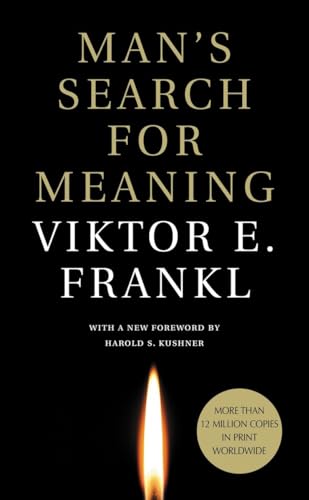
Man's Search for Meaning
Viktor Frankl
View on Amazon →
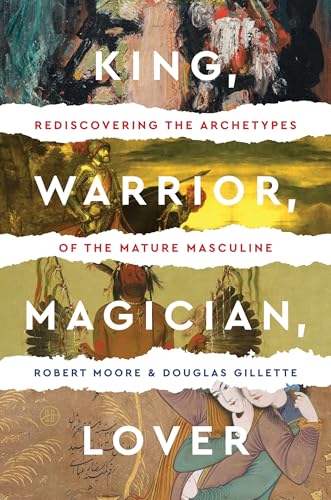
King, Warrior, Magician, Lover
Robert Moore & Douglas Gillette
View on Amazon →
As an Amazon Associate, The Masculinity Matrix earns from qualifying purchases.
Built With
This Site Was Built by Manus AI
The Masculinity Matrix — from the autoblog engine to the email sequences to this very page — was designed and built autonomously by Manus AI. If you're building something serious, it's worth a look.
Try Manus AI →